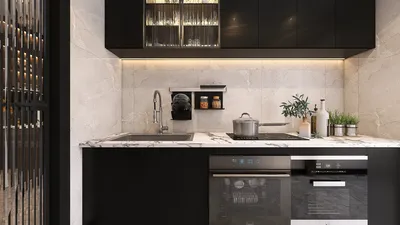


I've created numerous compact homes elevated on stilts in coastal and flood-sensitive areas, and the advantages are evident: improved durability, enhanced air circulation, and increased outdoor spaces under the raised deck. A stilt foundation also allows for breathtaking views on hilly terrains while maintaining a minimal land footprint. When executed properly, these smaller homes can seem more spacious than their actual size by optimizing proportions, incorporating natural light, and ensuring efficient flow throughout the space.
While performance is crucial, visual appeal also holds significance. According to WELL v2, access to daylight and glare management is essential for well-being and efficiency; in compact residences, aim for 300-500 lux of ambient lighting in living areas and layer functional lighting in kitchens and workspaces to achieve necessary illumination. Research by Steelcase has long associated restorative visual surroundings and diverse postures with diminished fatigue; this concept applies even at home, highlighting the need for varied seating options, adjustable work surfaces, and clear sightlines. These standards influence how I design small stilted spaces for comfort throughout the day and night. For broader insights into user-centered designs, WELL offers guidelines regarding thermal, acoustic, and light quality (refer to wellcertified.com).
Structural Strategy: Selecting the Appropriate Stilt System
Stilts serve not only as a visual element but also as a structural approach. For coastal or floodplain construction, I prefer using rust-resistant steel or reinforced concrete piers with cross-bracing; for wooded or hilly sites, glulam or treated timber posts blend seamlessly into the environment and help lower embodied carbon. Maintain a consistent structural grid—spacing between 8 to 12 feet is ideal for compact homes—to ensure efficient floor framing. The required elevation height is determined by local flood regulations, wind exposure, and desired view lines. Compact designs benefit from under-floor mechanical systems and straightforward service access via the open platform.
Design Guidelines: Creating a Spacious Feel in Compact Plans
Efficient layouts thrive on clear circulation paths and multifunctional spaces. I begin with a single corridor layout, stacking various functions: a galley kitchen that also serves as a social hub, a cozy living area with built-in storage, and a versatile room that can transition between an office and guest accommodation. Vertical movement should be easily identifiable from the entrance—opt for straight-run stairs or ship ladders that incorporate storage to maximize available square footage. When arranging furniture, maintain a clear passage of at least 30-36 inches around seating arrangements to distinguish between tight and tense versus compact and serene. For effective space planning and visual testing of layout options, utilizing tools like Homestyler can aid in examining furniture placements and flow.
Illumination and Atmosphere: Managing Daylight, Color, and Glare
Elevated homes capture an abundance of natural light; it's essential to utilize it effectively. Balance window dimensions with shading solutions—overhangs, vertical fins, and adjustable blinds—to create soft and uniform daylight. My goal is to achieve a window-to-wall ratio of 0.5-0.7 in living areas for smaller footprints, adjusting for orientation with exterior shading. A color temperature of around 2700-3000K in living zones promotes warmth in the evenings, while 3500-4000K at work surfaces enhances focus without appearing harsh. Controlling glare is essential—high windows equipped with diffusing shades and matte finishes on counters help minimize reflective glare. According to color psychology, subdued greens and soft blues encourage relaxation; warm neutral tones in transitional spaces prevent visual strain while maintaining cohesiveness.
Sound Management and Privacy in Elevated Homes
Stilted residences can transmit noise through structural components, such as posts and floors. Utilize resilient channels in ceilings, dense mineral wool in partitions, and soft materials (like rugs and upholstered furniture) to reduce sound reflections. Mechanical distractions should be isolated using vibration mats and positioned away from sleeping areas. Outdoor decks can amplify sounds, so incorporating perimeter landscaping and slatted screens mitigates wind and minimizes noise intrusion into living areas.
Material Choices and Longevity
Exposure conditions dictate material selection. In coastal environments, the presence of salt-laden air necessitates the use of powder-coated metals, stainless steel fasteners, and moisture-resistant materials such as fiber-cement or thermally treated wood. Flooring requires closed-cell insulation beneath, combined with durable membranes and careful flashing at penetrations. Inside, opt for low-maintenance, light-diffusing surfaces—eggshell finishes, natural linoleum, and low-VOC paints—to ensure the indoor environment remains healthy. Wooden posts add warmth; pair them with unobtrusive steel brackets for stability while minimizing visual clutter.
Spatial Ratios, Harmony, and Visual Synchrony
Compact homes are best perceived with a distinct rhythm: consistent window styles, uniform cabinet dimensions, and aligned ceiling beams foster a sense of harmony. I maintain primary room proportions close to 1:1.6 to prevent cramped or tunnel-like feelings. Sightlines should lead the eye towards light or nature—be it framing a tree, a sea vista, or a courtyard, thus enhancing the outdoor connection. The vertical nature of the stilt structure is balanced with strong horizontal features: edges of decks, handrails, and layered shelving elements to stabilize the overall visual design.
Active Living and Outdoor Spaces Below the House
The space beneath the structure is valuable real estate. Transform the shaded area into a workshop, storage for bikes, or an outdoor dining area. With permeable gravel and slatted windbreaks, this space remains well-ventilated and dry. Positioning laundry and outdoor showers below can help minimize indoor humidity and prevent dirt from entering the main living areas. Incorporating a compact mudroom at the base of the stairs can streamline transition before accessing the upper level.
Ergonomics: Stair Design, Rails, and Everyday Comfort
Daily movements define comfort in stilted homes. Tread depth should be between 10-11 inches with risers at 7-7.5 inches; handrails should be set at 34-38 inches and consistent nosing helps prevent missteps. In the kitchen, aim for counter heights around 36 inches, with task lighting providing 500-1000 lux to preparation areas. Include seating of varied heights—such as bar stools, lounge chairs, and dining seats—to allow residents to alternate postures, reducing strain during extended gatherings.
Energy Efficiency, Ventilation, and Climate Adaptation
Elevated homes benefit from enhanced airflow—utilize this aspect effectively. Cross-ventilation through operable windows situated on opposite walls, paired with a stack effect using clerestories, ensures efficient cooling. Ensure the floor deck is adequately insulated and seal any openings to prevent drafts. Utilize exterior shading, ceiling fans, and light-colored roofing to minimize heat absorption, while high-performance glass helps maintain the structure's envelope. In colder areas, consider installing enclosed skirts with vented cavities to protect plumbing from freezing, all while keeping the subfloor ventilated.
Safety, Regulations, and Local Considerations
Flood and wind regulations regulate elevation levels, anchoring methods, and structural stability. Posts should be embedded below the frost line, employ shear walls or braced frames, and ensure roof and deck connections are resistant to uplift. Non-slip surfaces on stairs, child-safe spacing in guardrails, and secure landings promote safe daily use. If wildlife presence is a concern, screening the under-structure can deter pests while allowing for airflow.
Design Workflow: From Idea to Visualization
For compact stilt homes, my design process starts with rapid plan iterations—stacking wet areas, aligning support structures, and experimenting with furniture placement. Visualization aids in identifying potential conflicts early: sight lines, sun exposure, and shadow dynamics beneath the deck. Using a reliable interior layout planner like Homestyler streamlines scenario testing and facilitates feedback from stakeholders.
Advice 1: Optimize Space Functionality
Incorporate pocket doors to maintain clear areas, built-in storage benches, and foldable desks. Emphasize one ample social area over several cramped spaces. Consider the deck as an extension of your living room.
Advice 2: Manage Light and Temperature
External shades perform better than interior blinds for temperature regulation. Opt for semi-transparent roller shades to mitigate glare without obstructing the view. Maintain reflective ceiling surfaces to distribute light deeper into the living area.
Advice 3: Selecting Durable Materials
Choose easy-to-clean paints, closed-grain woods, and UV-resistant composite materials. Opt for stainless steel and marine-grade hardware for coastal applications.
Frequently Asked Questions
Elevation levels are determined by local flood guidelines and wind conditions. Typically, many compact homes are raised 6 to 12 feet off the ground, with the precise height needing to comply with regulations, desired views, and stair ergonomics.
Not if the flooring system is properly insulated and sealed. Implement continuous air barriers, high-density insulation beneath floors, and gaskets on openings to maintain a comfortable indoor environment.
Target 300-500 lux of ambient lighting in living spaces, 200-300 lux in bedrooms, and 500-1000 lux for kitchen surfaces. Layer ceiling, wall, and task lights with dimmers to adjust light levels throughout the day.
Use fiber-cement siding, thermally modified timber, powder-coated aluminum, stainless fasteners, and UV-resistant sealants. Refrain from using exposed mild steel and unsealed softwoods.
Incorporate resilient channels and mineral wool partitions, soft rugs, and isolated mechanical systems. Outdoor windbreaks and planting can assist in controlling noise from the deck.
Yes, as an outdoor living area or storage space. Ensure it remains permeable and ventilated, includes lighting, and protects equipment with screens. Verify local regulations if considering any form of enclosure.
Utilize straight runs with storage integrated beneath treads, treads measuring 10-11 inches wide, risers at 7-7.5 inches high, and continuous handrails. Ship ladders optimize space but may be less comfortable for everyday use.
Employ sliding panels, modular storage solutions, and furniture designed with casters. Create flexible spaces that can transition from office areas to guest accommodations, with dedicated lighting zones and power connections.
Indeed. Warm lighting between 2700-3000K encourages relaxation in the evening, while 3500-4000K task lighting improves focus. Combining various light sources with dimmers helps avoid abrupt transitions.
Select locally sourced timber, durable exterior finishes, and high-efficiency ventilation systems. Raised designs often lessen excavation work and can include rainwater collection and solar panels with unobstructed roof spaces.
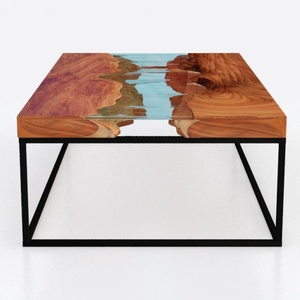
Custom 3D Waves Ocean Dining Table, Blue Ocean

Coaster Home Furnishings - Camacho - Upholstered C
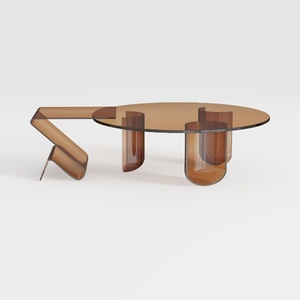
Round Coffee Table Modern Glass Coffee Table with
Homestyler is your go-to online tool for transforming home design dreams into reality. With user-friendly features like 3D rendering, inspiring design projects, and handy video tutorials, you can effortlessly create a beautiful space that reflects your style. Start designing today!
Diseño ahora GRATIS
































