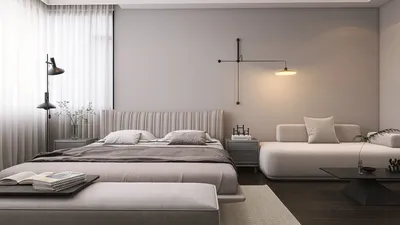


Guest accommodations prioritize efficiency within limited space. When selecting a compact dresser for a guest room, my goal is to provide intuitive storage solutions while maintaining ample space for movement. The WELL v2 Lighting guidelines suggest achieving 300–500 lux for ambient lighting in living areas, which significantly shapes my decisions regarding the placement and finish of dressers to minimize shadows and glare, ensuring guests can comfortably see while unpacking. Research from Steelcase indicates that a visually organized environment—with fewer visible items and clearer surfaces—can lower cognitive load and enhance comfort perception. In guest rooms, a small dresser serves as a straightforward method to convey a welcoming atmosphere and ease.
Considering human factors is essential. The NKBA planning guidelines advocate for at least 36 inches of unobstructed pathways to facilitate safe movement; thus, I maintain that clear space around the front of the dresser to ensure drawers can fully open without encroachment. The International WELL Building Institute also underlines the importance of managing glare; combining matte or low-sheen dresser finishes with warm lighting between 2700–3000K fosters a soothing arrival experience. For additional insights on behavioral comfort in hospitality contexts, refer to Steelcase's exploration of environmental cues.
Determining the Size of a Compact Dresser for Guest Rooms
I begin by delineating the room's functional areas: entryway, sleeping area, and a small dressing zone. Most guest rooms can comfortably accommodate a dresser measuring between 24–36 inches in width, 12–18 inches in depth, and 28–34 inches in height. This size range ensures ease of access to the bedside and prevents obstruction of outlets or air vents. In cases where wall space is limited, a tall and slim dresser profile (18–24 inches wide, 42–48 inches high) effectively utilizes vertical storage while respecting floor space.
The configuration of the drawers significantly influences usability. The top two shallow drawers (3.5–4 inches tall) can manage small items such as glasses, chargers, and travel toiletries, while the two deeper drawers (6.5–8 inches tall) are suitable for folded garments. I avoid overly wide drawers in compact spaces; 20–24-inch widths not only slide effortlessly but also prevent items from becoming disordered. The choice of hardware is crucial: rounded pulls or recessed finger grooves safeguard hands during quick access.
Strategies for Maintaining an Airy Room Layout
The dresser's placement is pivotal in determining whether it enhances or hinders the room's functionality. I position dressers flush against a side wall opposite the foot of the bed, ensuring a minimum aisle of 36 inches in front. For smaller guest rooms, utilizing a room layout planner to assess clearances and drawer swing is invaluable in preventing bedside obstructions. A simple layout tool can easily illustrate traffic patterns and luggage placement within moments:
room layout tool
Placing the dresser across from a window can reflect soft natural light without causing glare; I avoid direct alignment if the surface is glossy. In rooms with closets, positioning the dresser near the hinge side of the closet door establishes a convenient unpacking zone—bags can rest on a bench, clothing can head into the closet, and folded items can slide easily into drawers. This arrangement optimizes movement within a compact space.
The Influence of Lighting, Color, and Calmness
The intensity and color temperature of light greatly influence how storage is perceived. Ambient lighting at 300–500 lux, paired with a warm tone of 2700–3000K, enhances the appeal of wooden finishes while keeping drawer interiors easy to read. A low-glare sconce located above and to the side of the dresser can soften harsh shadows over open drawers. In rooms flooded with daylight, I opt for low-reflectance finishes (LRV 30–45) to evade distracting visual points.
According to color psychology, gentle, nature-inspired hues promote relaxation. Verywell Mind observes that shades of blue and green are associated with tranquility and equilibrium, while soft neutrals help to minimize over-stimulation. I often select a soft sage or warm taupe dresser for a white room, allowing it to quietly anchor the space and encourage guests to focus on settling in without the distraction of visual chaos.
Ergonomics for Seamless Usage During Short Stays
Drawers equipped with soft-close mechanisms reduce night-time noise and prevent slamming fingers. A top height of 28–34 inches makes the surface suitable for placing items like keys and phones. In compact spaces, I prefer a continuous plinth base to avoid stubbing toes; if necessary for airflow near a vent, raised legs with smooth profiles protect from bumping while allowing air circulation. Inside, dividers in the upper drawer aid visibility—eliminating the need to rummage.
Selection of Materials and Sustainable Choices
To ensure durability in high-traffic areas, I favor engineered wood with formaldehyde-free cores and a matte lacquer or UV-cured finish. Solid wood fronts add a warm tactile quality without adding excessive weight. In areas with high humidity or frequent cleaning needs, high-pressure laminate fronts are resilient against wipes and chipping. Prioritizing responsible sourcing and repairable hardware helps extend the product’s lifespan while reducing the need for replacements.
Acoustic Considerations for Comfort
Quiet at night is an essential aspect of hospitality. Utilizing felt drawer liners, rubber bumpers, and soft-close mechanisms minimizes disruptive noises. I steer clear of loose metal ring pulls; opting for bar pulls or integrated grooves can reduce rattling sounds. When a guest room shares a wall with a hallway, positioning the dresser away from that partition can significantly decrease noise from unpacking and drawer operations.
Smart Storage Features for Compact Stays
Small dressers can benefit from thoughtful design features: a shallow, lockable top drawer for passports; a discreet cable pass-through for chargers; and a wipe-clean tray on the top can organize cosmetics. Additionally, a valet hook on the side is beneficial for guests planning outfits without the stress of space constraints. In extremely tight environments, utilizing a dresser with a drop-front top drawer can transform it into a compact desk for quick laptop accessibility.
Achieving Visual Balance and Proportions
In restricted spaces, maintaining visual rhythm is crucial. I balance the vertical lines of the dresser with a simple round mirror above, keeping the mirror’s diameter within the dresser width to uphold proportion. If the bed features a tall headboard, I select a low-profile dresser to prevent height competition; conversely, a taller, slimmer dresser complements minimalist beds with an intriguing vertical element. A single decorative item—a ceramic bowl or small plant—on top suffices; excessive decor can detract from the overall aesthetic.
Practical Examples of Dresser Placement
In a 9×10-foot guest room, I positioned a 30-inch-wide dresser on the wall facing the entry, leaving a 40-inch pathway for easy luggage maneuvering. The warm LED lighting at 3000K, paired with a matte oak veneer, established a calming ambiance. Following two guest stays, feedback indicated that the shallow top drawers for technology and glasses made the room feel "hotel-ready"—without relying on built-in furnishings. In a 7.5×9-foot studio nook, a 22-inch-wide vertical dresser nestled beside the closet provided adequate folded storage while keeping the bedside table free from clutter.
Maintenance Practices for Longevity
Opt for resilient finishes capable of withstanding frequent cleaning: waterborne polyurethane, catalyzed lacquer, or quality laminate. It's advisable to keep a microfiber cloth and neutral cleaner in the closet for quick touch-ups between guests. Regularly check and tighten hardware quarterly and inspect drawer slides for debris. These small maintenance habits significantly extend the lifespan of furnishings and enhance the room’s overall appeal.
FAQ Section
For standard guest accommodations, a dresser should measure 24–36 inches in width, 12–18 inches in depth, and 28–34 inches in height to ensure smooth circulation and provide 3–4 functional drawers.
Maintain a minimum of 36 inches of open space to allow drawers to open fully and ensure safe passage for guests, in line with NKBA guidelines.
Combining matte or low-sheen finishes with warm lighting at 2700–3000K aligns with the glare control principles of WELL v2, ensuring surfaces are comfortable for viewing.
Low-profile dressers (28–34 inches) can function as landing zones, particularly in rooms with tall headboards, while taller units (42–48 inches high) work well against narrow walls, enhancing capacity without using floor space.
Include two shallow top drawers for smaller items, paired with two deeper lower drawers for folded clothing. Implement dividers for easy visibility of essentials.
Position the dresser against a side wall opposite the bed foot, check clearances through a room layout tool, and ensure no obstruction of outlets or vents occurs.
Soft shades of blue, green, and neutral tones are conducive to calm, as suggested by color psychology studies. Maintain gentle contrasts and limit the use of high-gloss surfaces.
Soft-close mechanisms and incorporated finger grooves or bar pulls help reduce rattling noises. Felt liners along with bumpers minimize disruptive sounds.
Yes, a drop-front top drawer or a clean surface of approximately 30 inches can function well for brief laptop use while keeping cords organized through a pass-through.
For ergonomic effectiveness, set the top height close to 30 inches, incorporate easy-grip pulls, and avoid overly heavy drawers. Ensure the floor space remains unobstructed and that good lighting is available.
Durable finishes such as quality laminate, UV-cured matte, or waterborne polyurethane on wooden surfaces resist wear and are suitable for regular cleaning routines.
Place the mirror above the dresser, ensuring its size remains proportional to the dresser’s width for visual harmony. Side lighting can minimize shadows during guest personal care routines.

Minimalist Solid Oak Vinyl Record Storage Boxes 3D Model


Vintage Metal Multi Tiered Plant Stand 3D Model

Modern Industrial Solid Wood Metal Storage Cabinet Shelf 3D Model
Homestyler is an outstanding online home design platform perfect for both novices and experienced designers. With its user-friendly design tool, stunning 3D renderings, diverse design projects, and helpful video tutorials, you can effortlessly create and visualize your dream home. Start your design journey today!
Design Now for FREE
































