

In my experience designing a multitude of compact dining areas for city apartments and family homes, I understand the importance of maximizing every square inch. A small square dining table positioned with four chairs serves as an essential piece: it's symmetrical, adaptable, and offers a neat appearance. When done correctly, it can seamlessly facilitate daily meals and weekend celebrations without hindering movement. The formula lies in the perfect combination of precise dimensions, ergonomics centered around human needs, and strategic layout planning, often aided by tools like Homestyler to visualize the space effectively.
Establishing the right dimensions is crucial and hinges on a few key principles. Research from Steelcase indicates that over 90% of our table time is spent in positions that greatly benefit from ample legroom and comfortable surfaces—meaning attention must be given to both knee space and table thickness. WELL v2 suggests ensuring your lighting reaches at least 600 lux for tasks like dining and reading. Therefore, it is vital to design your lighting plan accurately. I typically recommend dining tables around 30" in height and 32–36" square to comfortably seat four, with clear pathways of 36–42" whenever possible. In tighter spaces, a clearance of 30–34" is acceptable, albeit it may feel snug during service.
Considering ergonomics, an ideal dining chair should have a seat depth of 12–15" and a height of around 17.5–18.5" for optimal comfort according to standard ergonomic recommendations. It is also essential to maintain at least a 26" clearance at the table apron to prevent any discomfort. If you host regularly, a 36" square table accommodates four place settings with approximately 18–20" of shoulder space per person, ensuring a pleasant social distance while minimizing the risk of bumping into one another. For proper lighting, it's advisable to aim for a warm light temperature of 2700–3000K above the table, as outlined by the Illuminating Engineering Society to create a balanced luminance that reduces shadows and discomfort.
Effective Proportions for Small Spaces
Understanding visual weight is essential. Opting for thin tabletops (≤1") combined with tapered legs can create a lighter aesthetic than bulky, blocky pedestals. A 32–34" square tabletop on a central pedestal can liberate corner knee space effectively, whereas it’s wise to avoid overly heavy bases that consume valuable foot space. If your room measures less than 8' x 8', consider a 30–32" square with armless chairs to maintain open sightlines. Additionally, consider the scale of patterns: finer grain woods or intricate weaves can make spaces feel smaller; conversely, chunky knots or large checks can enhance visual volume.
Chair Selection and Seat Dimensions
Using armless chairs can save 3–4" of lateral space per seat and allow them to tuck in closer. Select backrests that curve gently and finish below the table edge to keep the area visually clear. I often recommend chairs with a width of 18–19" and an inside knee clearance of 15–16", which achieves a balance of comfort without taking up too much space. Upholstered seats foster a longer stay (as they reduce pressure points), but in kitchens, focus on easy-to-clean fabrics or wipeable leather.
Creating Layouts in Small Areas
When fitting a dining set within an open-plan space or kitchen alcove, I typically center the table along a boundary feature, such as a window frame, pendant light, or rug design. If your area possesses any irregularities, offset the table slightly—by about 2–4"—to accommodate a swinging door or appliance handles. To experiment before finalizing a plan, utilizing a room layout tool like Homestyler can help visualize chair movement and pathways for servers.
Maximizing Circulation with Layout
In square rooms, consider a diagonal table orientation; rotating the table by 45° can create an illusion of more space. In narrow kitchens, arrange two chairs against the wall and two on the open side, ensuring you keep the area clear for refrigerator and dishwasher access (typically requiring 24–36" of clearance for door swings).
Lighting: Enhancing Dining Experiences
Lighting plays a pivotal role in setting the ambiance and functionality of a space. Strive for 600–800 lux on the tabletop for effective dining and study, then dim to around 150–300 lux during evening meals. Hanging a pendant light 28–34" above the table can mitigate glare while maintaining clear sightlines. Warmer light (2700–3000K) may enhance appetite and relaxation, whereas cooler tones can impart a more clinical feeling. If glare is an issue, consider switching to matte finishes or using prismatic diffusers. The guidance provided by WELL v2 emphasizes the importance of uniform illuminance and glare management, which are particularly useful when balancing ambient and task lighting sources.
The Psychology of Color and Material Choices
Color impacts perceived dimensions in a room significantly. Opting for soft, low-contrast color schemes can effectively extend visual boundaries—think light oak, dove gray, or pale ash. According to insights from Verywell Mind on color psychology, warm tones can enhance sociability, while cooler shades convey calmness; I often balance warm-colored tabletops with cooler wall tones to prevent an overly warm visual effect. Materials that feature a subtle sheen (such as satin lacquer or oiled wood) can refract light without creating harsh glare. In compact dining environments, glass tops can create an illusion of space but call for careful styling, while wood offers a more forgiving and tactile experience.
Incorporating Rugs and Visual Elements
A small area rug helps define the dining area and protects your flooring. Choose a size that maintains all chair legs on the rug when pulled out—generally, this means the rug should measure the table size plus an additional 24" on all sides. Designing rounded edges with radii of R20–30mm on table corners can prevent injuries and soften the appearance of mass. For elongated rooms, consider a linear pendant and a rectangular rug beneath a square table to create a visual elongation of the space, which can help balance proportions effectively.
Storage and Service: Seamless Integration
Sideboards can serve as convenient spots for plates and cutlery. In restricted areas, a console table that’s 12–14" deep with storage can contain clutter. Installing floating shelves close to the table is effective as long as you maintain a head clearance of 42" from the seat top to reduce bump risks. A slim rolling cart offers versatile service, easily stored under a countertop but ready for use at meal times.
Acoustic Comfort in Cozy Dining Areas
Kitchens with hard surfaces can amplify noise. To keep conversations clear, integrate softer materials like a plush rug, upholstered chairs, and fabric light fixtures. In rooms with high ceilings, considering small acoustic panels or a wood slat canopy above the table can help reduce echo. Aim for background noise levels around 40–50 dBA for comfortable conversation; excessive noise can diminish the social experience and increase stress levels.
Work-from-Dining: Creating a Dual-Purpose Space
Many clients find their dining tables become makeshift workspaces for their laptops and paperwork. Prioritize efficient cable management by incorporating a floor grommet or a slim tray beneath the table to maintain a tidy appearance. Utilizing task lamps on nearby consoles can increase daylight during overcast days. It’s vital to select chairs that provide lumbar support and do not tilt backward significantly. Establishing a quick reset routine—cleaning, stowing items, and returning chairs to their places—ensures the table remains ready for social engagement after work hours.
Efficient Styling Without Clutter
Keep centerpieces low-profile and easily movable, such as a 6–8" high bowl, compact plant, or shallow tray. If you enjoy using candles, opt for unscented varieties for mealtime. Choose table linens that complement the room’s color palette; high-contrast runners can chop the area visually, while tonal cloths can create a sense of elongation. Consider rotating between two settings—everyday and special occasions—to avoid a cluttered table appearance.
Practical Size Guidelines for Small Dining Areas
Situating four chairs around a 32–36" square table provides enough space for daily meals as well as casual hosting. The clearance goal should be 36–42" around the table's perimeter, reducing to 30–34" only when necessary for movement. Chair specifications should include widths of 18–19" and heights of 17.5–18.5", ideally opting for armless designs in compact rooms. Lighting considerations should ensure 600–800 lux for task use, with warm light temperatures of 2700–3000K from pendants positioned 28–34" above the table. Plan for rounded table edges and thin aprons to maximize knee space—these dimensions have proven effective time and again.
Frequently Asked Questions
A square table measuring 32–36 inches is optimal. At the 36-inch mark, there’s ample breathing room for place settings, while the 32–34-inch option works well in tighter spaces without sacrificing usability for four diners.
Aim for a clearance of 36–42 inches to ensure comfortable movement and effective service. If the area is tight, a narrowed space of 30–34 inches can work with slender chairs and careful placement.
Yes, armless chairs can save lateral space and tuck in closer, reducing visual and physical bulk while still providing comfort if sized appropriately.
Install pendant lights 28–34 inches above the tabletop, aiming for a warm light spectrum of 2700–3000K, with dimming options to suit various tasks and moods.
Yes. A compact pedestal can free up corner spaces for knees, but be mindful to ensure the base doesn’t infringe upon foot space. Thin aprons can also be effective in this regard.
Generally, the size of the table plus approximately 24 inches on each side is recommended. This ensures that chairs remain on the rug when pulled out, maintaining visual harmony.
Light woods, satin lacquers, and matte glass can reduce the perceived weight of the number of pieces. High-contrast, chunky patterns may create an impression of a larger dining set.
Absolutely! Prioritizing cable management, task lighting on nearby consoles, and selecting chairs with supportive backs can enhance comfort. Maintaining a regular reset routine can facilitate the transition from work to dining.
For tasks, aim for 600–800 lux at the table surface, dimming to 150–300 lux during less formal meals. Consult guidelines from WELL v2 and IES for comfort and glare mitigation strategies.
Incorporate a rug, upholstered chairs, and fabric shades. If feasible, introducing small acoustic panels or wood slats above the table can assist in minimizing reverberation.

Tribesigns 47" Round Dining Table for 4, Farmhouse
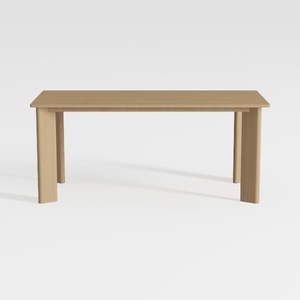

HON Coze Home Office Desks, Sturdy Table Computer
Looking for an easy way to design your dream home? Try Homestyler! This user-friendly platform offers a fantastic online design tool, stunning 3D renderings, a wealth of design projects, and helpful DIY video tutorials, making your home design journey enjoyable and inspiring!
Projete agora para LIVRE
































