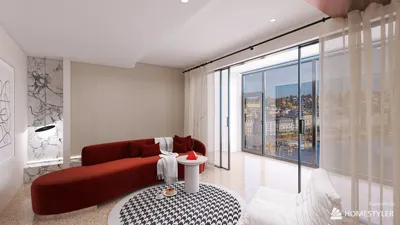


Compact dining areas deserve furniture that enhances light, maintains visual openness, and is proportionate for everyday living. A small dining table with a glass top meets these requirements while introducing a sleek, modern touch. In my designs, I frequently utilize glass to lighten visual weight and create an airy centerpiece that still withstands daily use.
Prioritizing light and comfort is essential. The WELL v2 standard underscores the significance of visual comfort and glare reduction in promoting occupant wellbeing. Clear or low-iron glass, complemented by matte frames, effectively balances luminance without creating harsh reflections. Research by Steelcase indicates that ergonomically designed environments can boost perceived productivity and comfort; applying this to dining areas involves selecting suitable seat heights, reach distances, and ample legroom, ensuring meals feel pleasant rather than cramped. For quick layout evaluations and circulation checks in compact dining spaces, using a room layout tool can be incredibly helpful: room layout tool. For an in-depth understanding of workplace comfort principles that can be implemented in home settings, refer to Steelcase Research (steelcase.com/research).
Natural light influences both aesthetics and functionality. The Illuminating Engineering Society (IES) suggests achieving approximately 200–300 lux for casual dining spaces, which most apartments can attain near windows during the daytime. With small glass-topped tables, light can easily pass through, brightening the tabletop and reducing the need for higher wattage fixtures—just ensure that light fixtures include diffusers to manage brightness effectively. The WELL v2 framework also stresses the importance of minimizing glare; using frosted or ribbed glass pendants can soften the brightness over reflective glass tops. Reference: WELL v2 (wellcertified.com).
Proportions That Maintain a Spacious Feel in Small Rooms
Scale plays a crucial role in comfort. I typically opt for a glass table with a diameter between 30–36 inches for two to four guests or a rectangular design of approximately 30×48 inches for edge-to-edge functionality. It is important to keep at least 36 inches of clear space around the table; 42 inches provides a luxuriously open feel if the layout allows. Chair seat heights should ideally be around 18 inches with the table height set between 29 and 30 inches to maintain ergonomic alignment and ensure knees have enough room. Rounded table edges help avoid any bumps during close passes.
Selecting the Right Base: Stability Without Excess Bulk
While glass appears visually light, the table's base must offer structural stability. A pedestal base can reduce leg conflicts, making it ideal for tight spaces. Four-leg metal frames also work as long as they are designed to keep the corners clear. I particularly recommend brushed stainless steel, powder-coated frames, or solid wood for added warmth. Look for bases with features that ensure anti-tip stability such as a wide footprint and non-slip pads to protect flooring. Tempered glass with polished edges not only enhances safety but also helps resist wear from everyday use.
Round vs. Rectangular: Flow and Versatility in Seating
Round tables promote easy conversation and fit well in irregularly shaped rooms; they can conveniently fit into a bay window or a cozy corner. Rectangular tables work well against walls or with built-in banquettes, optimizing narrower spaces. For narrow rooms, consider a 30×40 inch glass table alongside two chairs and a bench against the wall; the bench saves aisle space and can double as storage if designed with a lift seat.
Material Choices: Clear, Low-Iron, or Tinted Glass
Clear glass tends to blend with its surroundings, reflecting the room's color scheme. Low-iron glass eliminates the green tint, ensuring crisp whites and accurate metals—ideal for designs centered on cool neutrals. Adding light grey or bronze tint can create ambiance and disguise minor smudges, making it useful for kitchens with high traffic. For family environments, always opt for tempered glass at a minimum; laminated glass adds a safety interlayer and helps dampen sound slightly, which is beneficial for acoustic comfort in kitchens with hard surfaces.
Color Psychology Around a Glass Table
As the table itself is transparent, the color dynamics emerge from the chairs, rugs, and walls. Softer neutrals like warm greige or pale taupe create a calming dining atmosphere, while muted blues may lower heart rates and enhance focus, as supported by color psychology studies. Layering textures—such as bouclé or leather chairs—against the sleek finish of glass establishes visual balance. A subtle contrast between the table's base and the seating, such as a black frame with camel leather, creates a rhythm in the room without overwhelming it.
Lighting Above Glass: Ensuring Comfort Without Glare
To complement the reflective nature of glass, it’s ideal to pair it with diffused pendant lighting. Using a fabric drum, frosted globe, or prismatic diffuser helps distribute light evenly. Aim for gentle luminance ratios: a 2700–3000K LED creates a warm dining atmosphere; incorporating a dimmer switch allows for adjustment during evening meals. Position pendants 28–34 inches above the tabletop to ensure light grazes rather than glares. If you choose clear glass pendants, opt for frosted bulbs or filament-style LEDs with low glare outputs.
Sound Considerations in Compact Dining Areas
Both glass and tile can amplify sound, leading to increased noise during meals. Incorporating a soft rug, upholstered chairs, or acoustic panels in adjacent spaces can help absorb mid- and high-frequency sounds. Laminated glass can subtly enhance sound dampening; felt pads underneath bases minimize vibrations. In open-plan layouts, using a dense-pile rug under the table can significantly improve acoustic comfort.
Layout Strategies for Small Apartments
In tight spaces, every inch is valuable. Position a round glass table slightly off-center to maintain clear sightlines between the living space and kitchen. Utilize a banquette against a wall to reclaim crucial circulation space. If the area also serves as a workspace, a 30×48 inch rectangular glass top can accommodate two laptops during the day; incorporating cable grommets can keep cords organized. To visualize these configurations before making a purchase, an interior layout planner can effectively simulate movement and seating clearances: interior layout planner.
Maintenance: Keeping the Glass Surface Pristine
Routine cleaning is straightforward: simply use a microfiber cloth and ammonia-free glass cleaner, followed by a quick wipe after meals. Avoid using abrasive pads. Implementing placemats can minimize micro-scratches, and coasters can help prevent thermal shock from hot beverages. For fingerprints, a lightly diluted isopropyl alcohol solution will reduce streaking; low-iron glass tends to show smudges more readily, so a daily cleaning routine is beneficial to keep it looking sharp.
Styling Ideas: Elevating a Minimalist Aesthetic
A glass tabletop thrives on minimalism. Anchor it with a round rug that is slightly larger than the table, introduce a singular sculptural centerpiece—such as branches in a stone vase or a low floral arrangement—and maintain slim chair designs. If the table base is prominent, allow it to take the spotlight; if it is understated, bring in character through a mix of finishes (like bronze flatware coupled with a linen runner). For rental spaces, consider lightweight, portable options to facilitate easy rearrangement.
FAQ
A 34–36 inch round glass table comfortably accommodates four armless chairs, as long as you ensure at least 36 inches of clearance around the perimeter.
Indeed. Tempered glass enhances impact resistance and, if shattered, fragments into less dangerous pieces. Laminated glass incorporates a safety interlayer that also bolsters acoustic insulation.
Opt for diffused pendants with frosted shades that hang 28–34 inches above the tabletop, and select warm 2700–3000K LED lights. Dimmer options can help to fine-tune the lighting.
Round tops facilitate movement and minimize corner interference, making them ideal for compact spaces. Rectangular tops maximize linear seating against walls or with banquettes.
Pedestal bases reduce leg obstacles. If you prefer four legs, choose frames that are tucked inward to provide a wide base and non-slip pads for stability.
Aim for about 200–300 lux in dining spaces as per IES recommendations; blend natural light with a diffused pendant to create balanced illumination.
Glass can appear visually cold; counterbalance it with warmer materials—wood bases, upholstered seating, and textured rugs—to enhance comfort and sound absorption.
Clean with a microfiber cloth and ammonia-free cleaner after meals. Low-iron glass is more prone to showing smudges; a quick daily wipe maintains its shine.
Yes. A 30×48 inch rectangular table can seat two for meals while also functioning as a compact workspace. Incorporate cable management and a task lamp with low glare.
Maintain a chair height of around 18 inches and a table height of 29–30 inches to provide adequate knee clearance and reach. Opt for armless chairs in tighter spaces.
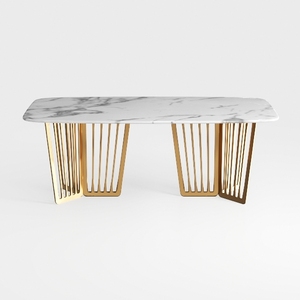

TAPIVA Desk Computer Desks Office Desk Marble Tabl
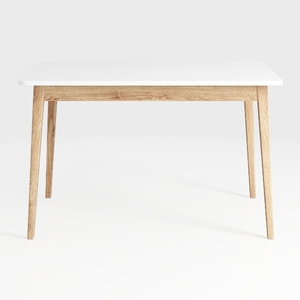
White and Oak Brown Wood 35.5 in. 4-Legs Dining Ta

Gray Wood Hanging Porch Swing Bench with White Cus
Looking to transform your home? Homestyler is your go-to online design platform! With its user-friendly design tool, stunning 3D renderings, a plethora of inspiring projects, and helpful video tutorials, you can effortlessly create your dream space—perfect for both novices and experts alike!
Desain sekarang Gratis
































