

For years, I've focused on designing compact homes where every square inch counts, making holiday decorations a true spatial challenge. Fortunately, today's artificial Christmas trees provide significant festive charm without consuming too much space. Whether you opt for slim pencil styles or miniature tabletop versions, the ideal selection hinges on factors like height, base dimensions, lighting, and how you plan to store it afterwards.
Research on space efficiency highlights the advantages of a slim design. Studies from Steelcase show that individuals thrive in tidy environments, which directly applies to home settings—visual simplicity helps to alleviate cognitive burden in smaller rooms. Regarding lighting, the Illuminating Engineering Society suggests maintaining 10–20 footcandles in living areas; therefore, pre-lit trees should enhance, rather than overpower, existing lighting. Regarding color choices, Verywell Mind emphasizes that warm hues like gold and amber create a cozy atmosphere, which can be used to soften the impact of cooler LEDs in limited spaces.
Criteria for Small Spaces: Sizing and Selection
Prior to making a purchase, I always check three key measurements: ceiling height, maximum base diameter, and available storage. In small apartments, a tree measuring 6 to 7 feet tall and having a base of 24 to 32 inches generally allows for smooth movement. The WELL Building Standard highlights the importance of visual comfort and glare management; remember to select warm white LEDs (between 2700–3000K) and avoid overly shiny ornaments that may reflect light too harshly. To achieve balanced arrangements, I use a digital room layout tool like Homestyler to visualize the tree's placement in relation to the furniture and paths of foot traffic.
For extensive insights on lighting comfort and well-being, I refer to IES standards pertaining to ambient lighting, alongside guidance from WELL v2 concerning light quality and visual comfort. These references assist in determining how bright the tree should appear within the room while helping to avoid contrasting brightness that can make a small space feel more confined.
Top Choices: Compact Artificial Trees That Don’t Overcrowd
• Slim/Pencil Trees (6–7 ft, 24–30 in base): Perfect for corner spots or the area between a sofa and window. Look for models with 600–900 tips for a lush appearance without bulkiness, along with 200–400 warm white LEDs in the 2700–3000K range. Trees with hinged branches simplify setup; a collapsible metal stand aids in storage.
• Half Trees (flat-back, 6 ft): Tailored to sit flush against walls—ideal where space for walking is minimal. Opt for a design that features mixed needle textures (PE plus PVC) for a natural look.
• Corner Trees (quarter profile, 6–7 ft): With a triangular shape, these trees fit snugly into dead corners while leaving more floor space open. Choose models with fewer but longer branch layers to maintain visibility for ornaments.
• Tabletop Trees (18–36 in): Optimal for display on studio shelves or console surfaces. Pair them with micro-LED strings and a weighted base to prevent tipping. Use small ornaments (1–1.5 in diameter) to ensure an elegant appearance.
• Flocked Slim Trees (6–7 ft): Lightly flocked branches provide a fuller look without expanding the diameter significantly. Choose a subtle flocking to minimize shedding and escape glare issues.
Branch Composition: Realism vs. Storage
PE molded tips create a lifelike texture, especially on the outer branch layers, while inside using PVC material keeps costs low. A balanced 50/50 mix of PE and PVC achieves a commendable compromise between realism and price for smaller trees. For limited closet spaces, selected compressible PVC interiors alongside a hinged frame is ideal; try to avoid overly rigid PE if your storage space is constrained.
Lighting Options: Warm, Soft, and Glare-Resistant
Warm white LEDs (2700–3000K) foster a welcoming ambiance in smaller rooms. For slim tree profiles, I recommend having between 35–60 LEDs per vertical foot—sufficient sparkle without creating harsh glare. To minimize glare, consider using frosted globes or ribbon garlands. IES recommendations on lighting for living areas align with softer ambient levels; I tend to steer clear of cool-white options that can increase perceived brightness and make a small room appear cramped.
Height and Base: Striking the Right Balance
In residences with 8–9 ft ceilings, a 6.5 ft pencil tree can provide a grand presence without being overwhelming. Keep the base diameter under 30 inches to ensure clear pathways (at least 24 inches of clearance). If tapering the top, select a low-profile star that does not exceed 6 inches in height to maintain ceiling space.
Placement Techniques for Compact Living Rooms
Positioning the tree opposite seating arrangements creates a focal view while allowing natural light to flow through. For single-window studio spaces, I prefer placing trees beside the window rather than directly blocking it, preserving daylight and reducing nighttime silhouetting. To experiment with furniture arrangement, utilize an interior layout tool like Homestyler to play around with arrangements and make sure the stand doesn’t interfere with door operations.
Color Insights and Ornament Dimensions
Warm metallics—champagne, copper, and soft gold—enhance the sense of warmth and depth, aligning with insights from color psychology provided by Verywell Mind. In tighter spaces, selecting a limited color palette (two primary colors plus one accent) helps maintain visual tranquility. Ornament scale is critical: tiny 1–2 inch ornaments maintain proportion on slim trees, while larger decorative elements are best saved for surfaces like tabletops or shelves to avoid crowding the visual field.
Skirts, Collars, and Supports
In smaller areas, opt out of elaborate tree skirts; instead, a sleek tree collar (12–14 inches high) can minimize visual bulk while neatly concealing cables. Choose a low-profile foldable metal stand and add felt pads to safeguard floors. If scheduling is done using a smart plug, route cables along the stand’s leg to mitigate tripping hazards.
Effortless Assembly and Storage Strategies
Hinged sections and memory wire branches facilitate fast setup and easy reshaping. Store trees in hard-sided or structured zip bags to prevent distorted tips; label parts by height for swift reassembly. For tight storage areas, compress branches towards the center and secure them with soft straps, avoiding zip ties to minimize creasing.
Sustainability Considerations
Invest in durable LED lights with replaceable bulbs and steer clear of single-season flocked trees that may shed profusely. If your living situation has limited storage, consider choosing a smaller, quality tree that lasts through the years rather than larger, budget models prone to failure early. Material longevity contributes to reduced waste and cuts down on the need for frequent purchases.
Budget Recommendations
Prepare to invest a bit more for authentic PE tips and pre-lit features. In small spaces, value comes from a slim profile that supports easy movement and a warm, flicker-free illumination package. If you’re uncertain, consider buying an unlit tree and adding your own LED strings, making it simple to switch out and personalize as desired.
Frequently Asked Questions
Q1: What is the ideal tree size for an 8 ft ceiling?
A slim or pencil tree measuring 6–6.5 ft with a base width under 30 inches fits comfortably while leaving space for a low-profile topper.
Q2: How many lights should be on a slim 6.5 ft tree?
A range of 250–400 warm white LEDs between 2700–3000K will give a soft, even glow without glare in smaller spaces.
Q3: Are flocked trees suitable for tight areas?
Yes, lightly flocked slim trees provide visual fullness without adding to the width; select minimal flocking to avoid shedding and glare.
Q4: What type of ornaments are best for a pencil tree?
Smaller ornaments (1–2 inches), slender ribbons, and lightweight garlands help maintain scale while preventing drooping branches.
Q5: How can I avoid blocking natural light with the tree?
Place the tree next to, rather than in front of, windows; keep branches trimmed on the window side and utilize warm LEDs to balance out nighttime contrasts.
Q6: Is a half tree (flat-back) a good option?
Definitely—flat-back designs sit flush against walls, freeing up floor space while still presenting a full frontal view.
Q7: What type of stand is safest for hardwood floors?
A low-profile metal stand featuring wide feet and felt pads is ideal; combine it with a compact tree collar to conceal cables.
Q8: Can I use smart plugs with pre-lit trees?
Certainly—programming on/off schedules and dimming compatible strings is possible; ensure cords are secured along the stand leg to avoid trip hazards in compact rooms.
Q9: What branch materials provide the most realistic appearance?
PE molded outer tips offer realism while PVC interiors contribute to fullness and storage convenience; a 50/50 blend is effective.
Q10: What is the best way to store a tree without losing its shape?
Gently compress branches towards the trunk, securing them with straps, and store in a structured bag; labeling sections will facilitate easy setup next year.
Originally incubated at Autodesk, Homestyler has grown into one of the most widely adopted home design platforms in the world, now trusted by over 18 million users. Whether you're a homeowner exploring ideas or a professional designer delivering client-ready renders, Homestyler brings industry-leading 3D technology to your fingertips — no experience required.

Modern Oak Linen Fabric Sofa 3D Model
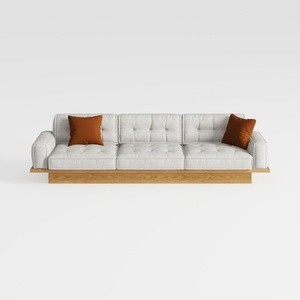
Modern Solid Wood Frame Tufted Fabric Three Seat Sofa 3D Model


Minimalist Solid Wood White Fabric Tufted Sofa 3D Model
Looking to transform your home? Homestyler is your go-to online design platform! With its user-friendly design tool, stunning 3D renderings, and a wealth of DIY video tutorials, you can effortlessly bring your interior ideas to life and explore exciting design projects. Get started today!
تصميم الآن مجانا
































