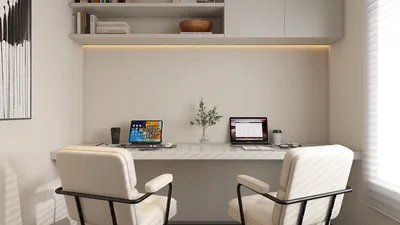


I create compact urban spaces tailored for those who share their homes with spirited cats. A perfect solution is a cat tree designed to maximize vertical space while maintaining a minimal footprint, featuring scratching options, cozy napping spots, and a style that complements your interior decor. In smaller apartments, a base measuring 16 to 24 inches square and a height of 60 to 70 inches provide the ideal mix of stability and usable vertical space. Based on my experiences, structures taller than 70 inches should be wall-mounted or weighted to prevent tipping.
Comfort goes beyond just choosing soft fabrics. Felines prefer stable platforms and clear paths. Studies on domestic cat behavior show that providing vertical escape routes can help alleviate stress and reduce conflicts among multiple cats, much like how workplace environments benefit from clearly defined spaces and circulation. The WELL Building Standard v2 advocates for access to quiet areas and minimized stressors; on a smaller scale, a well-designed cat tree with staggered levels can create safe zones and sightlines that lower stress levels. Adequate lighting is crucial: I recommend maintaining an ambient light level of 300 to 500 lux near the cat tree to reduce harsh shadows, in line with the typical ranges for residential task lighting suggested by IES illumination standards. Soft, warm-white lighting around the lounging areas fosters a cozy 'safe haven' atmosphere during the evenings.
Effective space planning is key. In compact studios and tight living spaces, I typically position a slender cat tree along a pathway or by a window to let in sunlight without obstructing movement. If you are determining the best layout, utilizing an interior design planner can help visualize space utilization and clear areas—consider exploring tools like Homestyler for this purpose. Ensure there's at least a 24 to 30 inch clearance for your cat to move comfortably, allowing them to approach, turn, and leap without bumping into furniture.
Essential Features of a Space-Smart Cat Tree
When designing a cat tree for small spaces, I prioritize a compact base, vertical stacking, and multifunctional surfaces. An ideal structure includes scratch posts at various heights for full-body stretches, two to three staggered perches, and at least one cozy, semi-enclosed cubby for a retreat. Since cats stretch about their body length—an average adult cat ranges from 18 to 24 inches—the main scratching column should ascend to at least 24 inches to facilitate a full stretch from shoulder to hip.
Durability, Sound, and Touch in Selection of Materials
Sisal rope and woven sisal panels outperform carpeting in terms of durability and crumb retention for scratching purposes. Utilizing solid plywood or engineered wood for the core enhances screw retention and withstands torsional forces. Soft materials play a significant role in reducing noise from jumps: padded or felted surfaces help absorb sound, making them practical for buildings with thin floors. I recommend avoiding shag carpets due to their tendency to snag claws; low-pile microfiber or easily washable covers provide simpler maintenance. If eco-friendliness is a concern, consider sourcing FSC-certified wood and opt for replaceable sisal sleeves to minimize waste by replacing only the worn parts of the cat tree.
Ensuring Stability and Safety in Compact Designs
Stability is essential. I aim for a base mass that is at least 20 to 25% of the total structure's weight, with a base width that exceeds the longest perch's projection by 4 to 6 inches. For cat trees nearing 70 inches tall, I recommend adding a discreet wall attachment on the upper third to prevent toppling. The design's edge corners are important: rounded edges can help minimize injuries from miscalculating landings. If your cat enjoys sprinting, opting for staggered perches with 12 to 16 inch vertical interspaces fosters a natural climbing rhythm, reducing hesitation when leaping.
Design Strategies for Micro Living Spaces
I consider the cat tree as a form of vertical circulation, akin to a mini stairway. It should be positioned along a wall that already bears visual weight, such as bookshelves or window edges, to appear intentional. Maintain a distance of at least 18 inches from televisions and artwork to minimize glare and accidental collisions during jumps. If you're housing multiple cats, it’s wise to provide two vertical access options or a single tree with dual pathways to alleviate any congestion. For long hallways, a narrow wall-anchored climbing feature ensures the floor remains unobstructed, while providing elevated lookout spots at 48 to 60 inches that offer an unobstructed view without blocking movement.
Choosing Colors and Styles to Support Cat Behavior
The color scheme matters more than merely aesthetics. Cats can differentiate between blues and yellows more effectively than reds; muted colors with gentle textures assist them in determining distances. Coordinating the cat tree with wall colors helps visually declutter cramped spaces—warm taupes, soft grays, and light blues can create a peaceful environment for humans while ensuring contrast for the cats on edges. From a psychological perspective, tranquil color palettes can prevent overstimulation and promote healthy napping patterns. For those seeking a bold statement, it’s best to limit vibrant colors to small highlights so that the overall presence of the tree doesn’t overwhelm the space.
Ergonomics for Cats and Their Human Owners
Considering ergonomics is vital: the highest perch should be positioned at a human's seated eye level (between 42 and 48 inches), allowing social interactions without forcing contact. A mid-height perch around 28 to 32 inches often becomes the ideal observation point near seating areas. Scratching zones should be accessible at 8 to 12 inches from the ground to accommodate both kittens and older cats, while the vertical structures can support adult felines. Position the tree 6 to 12 inches from window edges to prevent tails and paws from getting caught in window treatments. If you include feeding areas, always place bowls on stable, low surfaces rather than elevated platforms.
Strategies for Maintenance and Longevity
In smaller homes, odors and pet hair can accumulate more rapidly. Features like removable covers, zippered pads, and replaceable sisal sleeves make the difference between a vibrant-looking cat tree and a run-down one. Regularly vacuuming with a brush attachment can ensure cleanliness; replace sisal parts as soon as they begin to show wear or excessive shedding occurs. Rotationally turning the cat tree 90 degrees every few months can balance wear patterns and pique your cat's interest.
A Quick List of Effective Small-Space Cat Trees
• Slim tower with stacked shelves (16–18 inch base): Ideal for tight corners and narrow walls.
• Wall-mounted climbing panels: No floor space needed, offering superior stability while requiring stud installation.
• Multi-level condo featuring a top lounge (20–24 inch base): Provides a sheltered retreat for anxious cats.
• Perch ladder adjacent to a window: A lower structure (48–60 inches) for sunbathing and birdwatching.
Practical Tips for Real-World Applications
Watch your cat's movement patterns. If they frequently patrol a window, position the tree along that route. Ensure at least 24 to 30 inches of clearance on one side for comfortable access, avoiding tight spots between two towering items that may induce discomfort. For homes with small children, situate the cat tree out of main play areas to minimize incidents of tail pulling while ensuring perches are elevated above 36 inches for safe retreats.
Addressing Lighting and Sound for Comfort
Glare isn’t just an issue for humans. Cats may hesitate on shiny surfaces under harsh lighting. Therefore, incorporating diffused ambient light near the cat tree is key, while avoiding direct overhead sources. If you introduce a reading lamp in the vicinity, opt for warm-white lighting around 2700 to 3000K while ensuring the bulb is shaded to prevent bright spots on landing spots. To minimize noise, use felt bumpers on nearby furniture and soft pads on perches, ensuring a quieter environment that your neighbors will appreciate.
When Custom Design is the Answer
In ultra-compact studios or unique lofts, I occasionally design custom cat trees that blend with structural elements or fit over radiators. A modular approach with replaceable components allows for adaptability without needing to discard the entire structure. If you are renting, focus on non-invasive wall attachments and rubberized bases to keep floors protected.
Frequently Asked Questions
Q1: What size base is ideal for a compact cat tree?
A1: A base dimension of around 16 to 24 inches square strikes a balance between stability and minimal displacement on the floor, making it suitable for placement alongside sofas or bookshelves.
Q2: What is the maximum height for a compact apartment?
A2: Heights of approximately 60 to 70 inches are generally practical. Taller trees are acceptable with proper wall anchoring and ensuring the base weight can handle lateral movements during jumps.
Q3: Which scratching material has the best longevity?
A3: Woven sisal panels and closely wrapped sisal rope clearly outperform carpeting in terms of lifespan. They resist wear and provide a solid surface for full-body stretching.
Q4: Where is the best location for the tree to reduce stress?
A4: It should be located near windows or along walls that offer good visual access, while steering clear of high-traffic areas. Providing vertical refuge helps lower anxiety, and well-staggered perches enable monitoring the surroundings without feeling trapped.
Q5: What kind of lighting is beneficial around the cat tree?
A5: It's advisable to maintain an ambient brightness of 300 to 500 lux around the tree, using warm-white lamps in the 2700 to 3000K spectrum for evening ambiance. Soft light options help avoid glare that can lead to misjudgments during jumping.
Q6: How can I keep the tree clean within a compact living space?
A6: Opt for removable, washable covers, and vacuum regularly with a brush attachment. Replace sisal surfaces as they become worn or frayed.
Q7: Is it feasible for two cats to share one small tree?
A7: Yes—choose a design with dual climbing routes or place an additional slender tree nearby. Ensure there are at least two perches at varying heights to prevent congestion and disputes.
Q8: Are wall-mounted climbing systems safe for renters?
A8: They can be safely installed if mounted to wall studs and tethered using removable hardware. Rubber pads can protect the walls, and you might consider landlord-approved anchors that minimize marks.
Q9: How can I minimize visual clutter with style selections?
A9: Coordinate the tree's body color with your walls and keep bright accents minimal. Using low-pile, non-reflective textures helps reduce visual distraction while ensuring clear edges for your cat.
Q10: How can I prevent tipping without an oversized base?
A10: Employ a reasonably weighted base combined with a discrete upper wall attachment and ensure that perches are well-balanced near the center, reducing the likelihood of long protrusions.
Q11: Is carpeting ever an appropriate choice?
A11: Low-pile carpeting or microfiber is suitable for perches as it provides traction and comfort. However, avoid deeper carpeting in scratch areas as it may damage claws and deteriorate more quickly.
Q12: What should be the optimal perch height for observing outside?
A12: A perch positioned at 48 to 60 inches is ideal for aligning with typical window sill heights, granting your cat a unobstructed outlook without crowding the glass or treatment.
What began as an Autodesk innovation has evolved into a design platform used by more than 18 million people around the globe. Homestyler combines powerful rendering, an intuitive editor, and a vast furniture library to help you turn inspiration into photorealistic designs — whether you're redesigning a single room or planning an entire home.
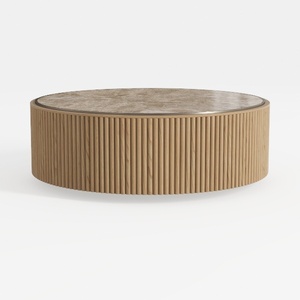
Modern Fluted Solid Wood Marble Top Round Coffee Table 3D Model

Minimalist Sage Green Solid Wood Round Side Table 3D Model

Minimalist Travertine Round Side Table 3D Model
Homestyler is your go-to online platform for transforming home design ideas into reality. With a user-friendly design tool, stunning 3D renderings, and a wealth of DIY video tutorials, it empowers you to create and visualize your dream spaces effortlessly. Perfect for any design lover!
Diseño ahora GRATIS
































