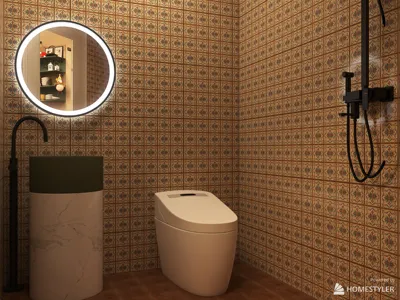


Color plays a crucial role in designing a kitchen, impacting mood, perceived cleanliness, and even workflow efficiency. I have experienced firsthand how selecting the right color palettes can transform compact kitchens into inviting spaces and help energize busy family areas. Research reported by Verywell Mind clearly shows a strong link between color and behavior; warmer shades such as reds and oranges can heighten energy levels and stimulate appetite, while cooler tones like blues and greens foster tranquility and concentration—particularly beneficial for meticulous tasks such as baking. Furthermore, the WELL v2 standards highlight the need for glare control and balanced lighting (E07—Electric Light Glare Control) as fundamental aspects of visual comfort. Since the appearance of color can shift based on lighting conditions, it is essential to pair color choices with appropriate lighting quality.
Adhering to lighting standards is vital for kitchen design. The Illuminating Engineering Society (IES) suggests that task illumination levels should range from 300 to 500 lux in kitchens, with even higher levels in critical areas like countertops and cooktops where safety is paramount. Personally, I aim for light levels of 400 to 600 lux on preparation surfaces, using lights with a color-rendering index (CRI) above 90 to ensure food is presented accurately—nobody desires a gray steak or unappealing muddy herbs. When finished colors are tested under the lighting that will be utilized, it’s important to remember that the same 'warm white' can vary from 2700K to 3000K, subtly affecting the appearance of creams and woods. For families who often cook in the evening, a base ambient light of 3000K combined with task lighting at 3500K creates a warm yet crisp environment. For reliable information on well-being and visual comfort, consider exploring the WELL v2 guidelines.
Welcoming Color Schemes for Social Kitchens
If the kitchen serves as a central hub for family activities—like kids doing homework or long conversations over a cup of tea—opt for warm neutrals accented with soft color highlights. Consider gentle taupe walls, cabinetry in almond or linen hues, and a muted terracotta runner to ground the flooring. Warm color palettes naturally enhance feelings of hospitality and stimulate appetite. Additionally, matte finishes should be chosen to minimize distracting highlights and maintain visual tranquility. I often complement these colors with brushed brass or warm nickel hardware to reinforce the warm atmosphere. In open-concept homes, it’s effective to keep the kitchen 1 to 2 degrees warmer than adjacent living spaces to create a seamless social transition.
Serene and Focused Color Schemes for Precision
For clients who value tranquility and clear lines—such as dedicated bakers, minimalists, or those with smaller urban kitchens—cool palettes provide visual clarity. Soft gray walls (with a neutral light reflectance value of around 65 to 75) paired with white cabinetry and a pale green backsplash create a serene environment. As supported by color psychology studies referenced on Verywell Mind, blue-green accents can encourage focused, task-oriented behavior. Choose satin or eggshell finishes for walls to allow for easy maintenance while reducing harsh reflections. If the kitchen features stainless steel appliances prominently, consider a micro-textured backsplash in pale aqua or fog gray to avoid an overly clinical ambiance.
Vibrant Accents: Finding the Right Saturation
Bold colors should be used thoughtfully and in controlled amounts, ideally applied to secondary surfaces where updates are simpler—like backsplashes, stools, small appliances, or accent walls. I believe in the rhythm of color saturation: 70% neutral base, 20% mid-tone support, and 10% vibrant accents. This approach keeps visual interest without overwhelming the senses. In limited space kitchens, aim to place high-chroma areas on vertical surfaces, away from prominent sightlines (like the end wall instead of a long prep area). Balance vibrant colors with appropriate lighting; high-saturation reds or greens benefit from higher CRI lighting to prevent color distortion.
Timeless Neutrals that Offer Depth
While neutrals remain a classic choice, they should possess depth. Mixing undertones from both cool and warm spectrums can help prevent monotony: for instance, warm white cabinetry with a hint of yellow set against a cooler gray wall offers sophistication and layer. Introduce natural materials—such as oak, limestone, travertine, or tumbled marble—to provide texture and structure to neutral designs. A refined contrast in sheen (e.g., matte cabinets, honed stone, and satin walls) can create a visually appealing rhythm that prevents a flat appearance.
Illumination, Color, and Control of Glare
The effectiveness of color is largely dependent on the quality of lighting. Installing under-cabinet task lighting is an excellent way to minimize shadows in preparation areas and ensure that colors appear accurately in work areas. Maintain consistent correlated color temperatures within zones to diminish visual fatigue. Control glare using diffusers and wider beam spreads in accordance with IES glare-reduction recommendations, allowing for comfortable viewing of glossy tiles or polished surfaces. Aim for a well-rounded lighting system that includes ambient (recessed or ceiling-mounted), task (under-cabinet, island pendants), and accent (toe-kick LED or wall washers). High CRI lamps (90+) enhance the vibrancy of whites, making ingredients appear fresh.
Color as a Cue for Ergonomics and Workflow
Color can guide movement within a space. I opt for darker shades on lower cabinetry and flooring to visually ground the area, while lighter tones on upper cabinets can help lift the ceiling line. Utilizing medium-value colors on kitchen islands draws attention to their central role in the space. A subtle transition in color around the cooking triangle—sink, hob, refrigerator—can also aid in defining work zones without the need for explicit signage. If you're reconsidering circulation paths or storage configurations, employing a layout simulation tool can be beneficial for testing furniture placement and clearances alongside your color choices: room layout tool.
Pairing Materials: Counters, Tiles, and Fixtures
It is essential for color selections to harmonize with the chosen materials. In warm schemes, consider creamy quartz combined with lightly veined travertine or sandy-colored zellige tiles. For cooler schemes, options might include honed marble with soft gray grout or porcelain slabs featuring blue-gray veining. Hardware finishes can influence the overall color palette: brushed brass adds warmth; blackened steel sharpens the aesthetic; while polished chrome brightens up neutral or contemporary designs. Samples should always be tested under the actual lighting in your kitchen—both morning and evening—because shifts in color temperature can alter perceived undertones.
Sustainable Choices and Long-Term Adaptability
When planning color palettes, I consider future changes. Fixed, high-investment components such as cabinetry and counters should be in versatile neutral shades. Trendy colors can be introduced through easily replaceable items like paint, soft furnishings, stools, and smaller appliances, which minimizes waste and expense over time. The WELL framework emphasizes occupant well-being, which aligns well with sustainable selections: low-VOC paint options, durable materials with repairable finishes, and lighting designed to enhance visual comfort all contribute to healthier kitchen environments.
Strategies for Small Kitchens: Brightness, LRV, and Visual Tricks
In compact spaces, a thoughtful color strategy can create the illusion of volume. Using mid-to-high light reflectance value (LRV) paints (60 to 80) will reflect light without losing detail. Keep ceilings a shade or two lighter than the walls, and consider placing backsplash tiles vertically to enhance the perception of height. In galley kitchens, painting end walls in a subtle mid-tone can help reduce the tunnel effect. Reserve deep tones for lower cabinets or a single accent niche to anchor the space without making it feel smaller.
Color for Islands and Breakfast Nooks
The kitchen island serves as a prime opportunity for color accents. I frequently recommend a softened green-blue or muted charcoal for the base of the island contrasting with surrounding white cabinetry to create depth. For breakfast nooks, incorporating warmer textiles and natural timber tones offers an inviting atmosphere for relaxed meals. If the nook shares lighting with the kitchen, maintain consistent color temperatures: 3000K lighting over the island and 2700 to 3000K in the nook maintains a cohesive environment.
Color Trends for 2024-2025
Clients are increasingly favoring grounded, nature-inspired palettes featuring deep greens, clay pinks, wheat shades, and dark blues. These colors often pair well with textured tiles and understated metals. Matte glazes with micro-textures are becoming favorites over high-gloss backsplashes to mitigate glare. Biophilic design elements—such as wood grains or stone with organic patterns—are notably popular. Additionally, two-tone kitchens are trending, emphasizing gentle contrasts instead of stark black-and-white; think warm mushroom lower cabinets paired with white upper cabinets, or deep ink-blue lower cabinets complemented by bone-colored uppers.
Testing Colors: Journey from Swatch to Reality
It’s important to test colors effectively. Paint swatches measuring at least 18x24 inches on two walls, and observe them throughout the day. Always check them alongside your countertop and flooring samples. If your kitchen design relies on evening cooking, make sure to assess the colors under artificial light first. Employ high-CRI lamps for sample boards to avoid color misinterpretations. Where feasible, obtain tile and stone offcuts to preview grout joints; grout color can significantly impact the perceived hue of a backsplash more than many expect.
Frequently Asked Questions
Using higher light reflectance value (LRV) paints (around 60–80), lighter cabinetry, and a consistent contrast between ceiling and wall colors can enhance the perception of space. Opt for slightly darker lower cabinets to ground the room while allowing upper sections to appear elevated.
Warm color palettes evoke feelings of social gatherings and increase appetite; conversely, cooler palettes promote tranquility and clarity. Choose according to the desired ambiance—be it family engagement or focused cooking—and always field test them under your actual lighting conditions.
Variations in illuminance and color temperature can affect how hues are perceived. Aim for ambient lighting around 300 to 500 lux and task areas at 400 to 600 lux, targeting a CRI of 90 or above. Use warmer temperatures (2700 to 3000K) for creating a cozy atmosphere while reserving 3000 to 3500K for preparation zones.
Soft cool neutrals, such as fog gray, pale aqua, and muted blue-greens, enhance stainless elements and prevent a sterile environment. Employ micro-textured tiles to help manage glare.
Follow the 70/20/10 guideline: use primarily neutrals, a secondary mid-tone, and reserve a small portion for high-chroma accents applied to changeable items like stools or accent walls.
Opt for eggshell or satin finishes to achieve a balance between easy cleanability and glare control. High-gloss finishes might generate distracting reflections, while matte surfaces can easily scuff in high-traffic areas.
Indeed, incorporating warm tones can invigorate spaces and stimulate appetite; while cooler tones enhance focus and tranquility, as conveyed in color psychology findings highlighted by Verywell Mind.
Brushed brass adds warmth while complementing terracotta, taupe, or cream. Blackened steel sharpens cool color schemes, and chrome can brighten up neutral or modern designs, so ensure consistency across fixtures for a harmonious look.
Utilizing lighter neutrals, high-CRI task lighting, and fixtures within the 3000–3500K range will keep food colors accurate and vibrant. Consider reflective yet low-gloss surfaces to enhance light without causing glare.
Absolutely—especially with gentle contrasts like mushroom lower cabinets paired with warm white uppers, or ink-blue lower cabinets with bone-colored tops. This approach adds depth while avoiding visual chaos.
Match grout with tile for a seamless effect or choose a mid-tone contrast to emphasize geometric shapes. Testing in situ is crucial, as grout can alter the perceived hue of the field tile significantly.
Certainly. Use an interior layout planner to explore circulation, clearances, and visual harmony before finalizing any color selections: interior layout planner.
Homestyler is your ideal partner for transforming your home! With its user-friendly online design tools and stunning 3D renderings, you can explore countless design projects. Plus, access helpful DIY video tutorials to guide you every step of the way. Let your creativity shine!
Design Now for FREE
































