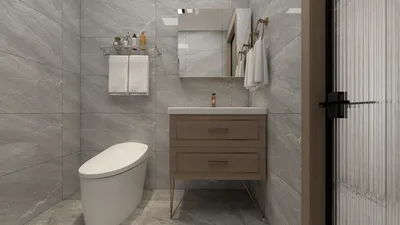


In my experience, I once transformed a small rental studio with a striking charcoal paint at the owner's request for a bit of ‘mood’. However, two days later, while measuring for blackout curtains, I discovered that a combination of darkness and a cramped space can lead to a claustrophobic atmosphere. This experience taught me that when dealing with small areas, color choices must be intentional, and creative tricks are essential—after all, tiny spaces can inspire vast creativity. If you're curious about which colors work best in these situations, I'll guide you through five favorite color strategies I frequently employ, starting with fresh ideas for walls and trim, along with suggestions for pairing these with your furniture and lighting solutions.
1. Soft Neutrals with Warm Undertones
My go-to choices for small living rooms and studios are soft beiges, warm greiges, and creamy off-whites; they reflect light beautifully without feeling too cold. The beauty of this approach lies in its adaptability—you can introduce texture and color through textiles. However, to prevent a lackluster appearance, I recommend incorporating warm wood tones or brass accents, which can elevate the overall palette.
save pin
2. Pale Pastels for a Subtle Color Boost
Soft pastel greens, blush pinks, or powder blues can infuse character into a room while maintaining an open feel. These shades work beautifully across all walls or can be employed on an accent wall behind key furniture like a sofa or bed; pairing them with white trim keeps the overall look sharp. A budgeting tip: experiment with several paint swatches and observe them at different times of the day before making a final decision.
save pin
3. Monochrome Layers to Create Depth
Utilizing a single color in various shades—such as soft gray walls, medium-gray upholstery, and charcoal accents—yields depth without overwhelming the senses. This technique is particularly effective when designing compact open kitchens and living spaces since it visually connects different areas; for those looking to test layouts, consider utilizing tools like Homestyler to sketch out plans and see how different colors interact within a room layout.
save pin
4. High-Contrast Accents in Small Doses
Introducing a single high-contrast feature—like black window frames, a rich navy built-in, or a deep green door—can serve as an anchor in a compact area and make lighter walls stand out. The benefit here is that you can add dramatic flair without overwhelming the space; however, be mindful that such strong accents need to be balanced with ample light or reflective surfaces. A practical strategy is to limit dark colors to one architectural element to ensure it appears deliberate rather than incidental.
save pin
5. Light-Reflecting Sheens and 3D Visualization
Opting for an eggshell or satin finish (as opposed to a full gloss) imparts a subtle sheen that enhances light in small areas and appears forgiving on walls. If you're uncertain about how a color will work, I often suggest visualizing the space using rendering tools—such as those found in Homestyler—which allow you to see colors under various lighting conditions prior to committing to purchases. A word of caution: sheen can reveal imperfections, so it's essential to prepare surfaces correctly or choose a satin finish in areas where durability is important.
save pin
FAQ
Q1: What is the single best paint color for small rooms?
A1: There isn't a one-size-fits-all “best,” but consistently soft warm neutrals and pale pastels are effective as they reflect light and establish a soothing backdrop for furnishings.
Q2: Should trim be lighter or darker than the walls?
A2: I generally advise using lighter trim to frame the walls and enhance the perceived height; however, if you desire a more dramatic effect, a slightly darker trim can create intentional contrast.
Q3: Do cool tones make rooms feel smaller?
A3: Not necessarily—light cool tones like pale blues can actually create an illusion of space; very dark cool shades may evoke a cozier feel instead of a smaller one.
Q4: How important is natural light when choosing paint?
A4: It's crucial—natural light significantly influences hue and saturation. Always test paint samples within the room during both morning and evening.
Q5: Can I use dark colors in a small kitchen?
A5: Absolutely—when applied thoughtfully on cabinetry or an island, dark colors can look sophisticated. For optimal layout and color harmony, consider kitchen layout strategies to effectively integrate color with functionality.
Q6: What finish should I choose for high-traffic small spaces?
A6: Satin or eggshell finishes strike a good balance: they're resilient, slightly reflective for enhanced light, and easier to maintain than matte varieties.
Q7: Are there safety or health considerations with paint?
A7: Opt for low-VOC or zero-VOC paints in smaller, poorly ventilated spaces to minimize fumes. Many brands clearly label their VOC levels on the packaging.
Q8: Where can I find professional examples and tools?
A8: For real-world examples and visualization tools, companies like Benjamin Moore provide excellent guidance on color choices (check out Benjamin Moore's color advice), and Homestyler offers practical examples and planners for experimenting with color palettes and layouts.
save pin
Discover your dream space with Homestyler! This user-friendly online design platform offers an intuitive design tool, stunning 3D renderings, and a wealth of inspiring design projects. Plus, with DIY video tutorials, turning your vision into reality has never been easier. Start designing today!
Desain sekarang Gratis
































