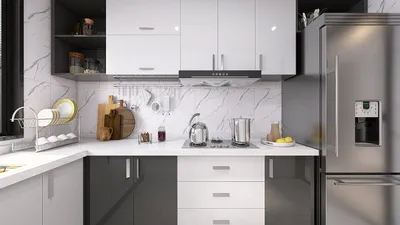


Color plays a crucial role in shaping the atmosphere of a hallway, making it the first visual impression that visitors receive in a home or building. It subtly influences mood, the sense of space, and movement. I base my color selections on established principles, with the WELL v2 standard highlighting the importance of visual comfort and glare reduction to minimize eye strain in heavily trafficked areas, particularly in hallways with varied lighting scenarios. Research from Steelcase demonstrates that thoughtfully designed environmental attributes, such as colors and lighting, can significantly elevate perceived productivity and wellbeing, an essential aspect when a hallway serves as a junction between workspaces, lounges, and entries, enhanced further with tools like Homestyler for design planning.
The quality of lighting can greatly impact your color strategy. According to guidelines from IES, corridors and common areas typically aim for ambient lighting levels between 100 and 200 lux. Warmer color temperatures (2700–3000K) foster a serene and inviting atmosphere, while neutral ranges (3500–4000K) enhance clarity, especially in areas where navigation is essential. An overview of color psychology by Verywell Mind suggests that shades of blue can reduce heart rates and induce calmness, while greens promote a sense of balance and refreshing energy—key elements for transitional areas that welcome guests and facilitate movement.
Inviting Warm Neutrals
I prefer using warm neutral colors such as gentle taupe, creamy beige, or light greige to establish a timeless foundation. These tones scatter light evenly, mitigate glare on reflective surfaces, and allow artwork or architectural features to shine. A warm-white lighting scheme at 3000K complements eggshell or matte finishes perfectly, avoiding harsh highlights. Incorporating walnut or ash trim along with textured linen wall coverings brings tactile richness without overwhelming the visual space. For hallways connecting various rooms, using a single warm-neutral color with subtle undertones helps maintain visual coherence.
Restorative Soft Greens
Soft shades like muted sage, olive mist, or eucalyptus enhance the calming transition between bustling spaces. Greens, positioned centrally on the color wheel, adapt well to both cool daytime light and warm artificial light. In narrow hallways, applying a darker green on the lower wall (wainscoting or chair rail) stabilizes the visual base, while a lighter green above creates an illusion of height. Pair with brushed brass details and natural fiber runners to ensure the color palette remains grounded and inviting.
Serene Light Blues
Powder blue or pale slate shades elevate tranquility while ensuring smooth circulation flow. For hallways with limited sunlight, opting for blues infused with a hint of gray can prevent a chilly ambiance under 4000K lighting. Blues make stunning backgrounds for crisp white trims (with LRV in the 80s) that can sharpen the appearance of thresholds and door casings. Additionally, soft upholstered benches or felt wall panels in shades of blue can help mitigate echo, aligning visually with the color scheme.
Modern Earthy Tones for Textured Warmth
Deliberate use of terracotta, clay, and caramel tones can create a striking ambiance, particularly when saturation is kept moderate—think sunbaked hues rather than bold oranges—to prevent visual fatigue in frequently accessed corridors. Choosing a micro-textured paint or limewash can enhance depth while concealing minor surface imperfections. Pairing terracotta with smoked oak flooring and matte black hardware yields a sophisticated, contemporary look that resonates with current design trends, as seen with tools like Homestyler.
Elegant Monochrome with Contrast
Monochromatic schemes can succeed in hallways if there's a careful balance between contrast and sheen. Utilizing a charcoal-colored wall with a low-sheen finish, a light gray ceiling, and mid-tone doors creates a rhythmic flow without heaviness. It's essential to maintain a contrast ratio on trims (around 3:1) to ensure edges are clearly visible and safe for navigation. Steer clear of high-gloss blacks as they tend to highlight every scuff in busy corridors. Introduce pattern with a tightly woven runner rug that offers durability and style.
Neutral and Accent Colors for Guided Navigation
In hallways that connect distinct zones, color can effectively guide movement. Employing a neutral backdrop complemented by an accent wall or a cluster of colored doors can signal transition points. Use accent colors thoughtfully: perhaps deep teal for a lounge entrance, saffron for a creative studio, or muted plum for a quiet retreat. Keep these accents limited to 10-20% of the visual space to prevent overwhelming effects. If you are exploring layouts, a room layout tool such as Homestyler is invaluable for simulating spatial relationships and focal points before settling on your paint choices.
Choosing Light Temperature and Finishes
The color temperature should align seamlessly with your intended color palette. Warm color schemes (like beige and terracotta) thrive between 2700-3000K, while cooler palettes (such as blue-gray and charcoal) appear cleaner in the 3500-4000K range. To enhance perceived height, ensure ceilings are slightly lighter than walls. In hallways benefiting from natural light, it’s imperative to consider the direction of exposure—northern light tends to cool down hues, while southern light warms them up. For finishes, choose matte or eggshell sheens for broad walls to limit glare, satin for trims to enhance durability, and flat paint for ceilings to downplay fixtures.
Harmonizing Colors with Materials
While color is significant, materials contribute extensively to tactile and acoustic comfort. For warm neutral palettes, pair with textured textiles, cork wall tiles, and soft wool runners to absorb sound effectively. When using cooler tones like blues and grays, introduce warm wood materials (such as white oak and beech) along with metallic details to add visual warmth. If sustainability is a concern, consider low-VOC paints and FSC-certified wood materials to ensure healthier indoor environments without sacrificing aesthetic integrity.
Visual Rhythm and Spatial Proportions
Halls require a sense of proportion. In narrow spaces, applying a lighter color above and a darker hue below (two-tone approach) can stabilize visual composition. In shorter hallways, employing a slightly darker end-wall color can create a point of focus, extending the perception of length. Adding recessed niches in deeper tones can introduce rhythm and opportunities for display. Consistent trim heights and door casing widths are essential to prevent visual chaos.
Strategic Use of Ceiling and Door Colors
Ceilings wield considerable influence over room perception. Applying a pale tint of the wall color (with 10-20% saturation) maintains continuity while preserving openness. Dark ceilings can be effective if ample vertical light is present; incorporating wall washers helps maintain visibility. For doors, selecting bold shades such as deep green or charcoal can make hardware stand out; however, adjacent casings should be lighter to uphold visibility for safety and clarity in navigation.
The Importance of Testing, Sampling, and Iteration
Always test colors before making a final decision. Paint swatches of 2×2 feet in various locations, observing how they appear in both day and night lighting, and ensure testing is conducted at the actual color temperature that will be utilized. Assess how different finishes react near shiny surfaces; should glare become an issue, consider adjusting the sheen or adding diffused lighting. In lengthy hallways, walking through the entire space can reveal areas of overexposure or shadows; colors can sometimes resolve lighting issues, and vice versa, particularly with tools like Homestyler.
FAQ
Q1: What color is best suited for a narrow hallway?
A: Light neutral shades or soft pastels with a high Light Reflectance Value (LRV of 65–80) can create an illusion of width. A two-tone wall approach—lighter on top, slightly deeper below—can enhance sightlines without making the space feel constrained.
Q2: How does lighting temperature influence wall colors?
A: Warm lighting (2700–3000K) enhances tones of beige, terracotta, and warm grays; neutral-cool lighting (3500–4000K) sharpens blues and charcoals. It's crucial to test samples under precisely the same light sources to prevent unexpected surprises.
Q3: Are accent walls still applicable in hallways?
A: Absolutely, especially when used purposefully for wayfinding or focal points. Limit accents to 10–20% of visible surfaces and select deeper, muted shades to avoid overwhelming spaces in high-traffic areas.
Q4: What finish is most suitable for high-traffic hallway walls?
A: Eggshell or washable matte finishes help reduce glare and conceal slight flaws, while satin finishes for trims improve durability. High gloss on large wall areas should be avoided due to increased glare and visibility of imperfections.
Q5: How can color contribute to acoustic comfort?
A: Although color itself doesn't absorb sound, combining colors with textured materials—such as wool runners and acoustic felt or cork panels—can help minimize echo while ensuring visual harmony with the overall design.
Q6: What ceiling color should I choose?
A: Adding a lighter tint of your wall color (around 10–20% saturation) can add height perception. Dark ceilings are feasible with adequate vertical lighting—consider wall washers or cove lighting for clarity.
Q7: How can I coordinate door and trim colors?
A: Contrasting colors aid in wayfinding. Deep doors against lighter casings enhance visibility, providing a polished appearance. Ensure that hardware finishes—be it brass or matte black—are in tune with the overall palette temperature.
Q8: Which colors are most inviting for visitors?
A: Warm neutrals, soft greens, and light blues are consistently perceived as welcoming and tranquil. Saturated tones can energize but may lead to visual fatigue when traversed frequently.
Q9: What if my hallway lacks natural light?
A: Opt for mid-to-light tones with warm undertones and use lighting between 3000–3500K for comfort. Integrate reflective elements—like light-colored trims and ceilings—to amplify brightness and reduce shadows.
Q10: Can monochrome designs work without appearing flat?
A: Yes. By varying tones, textures, and sheens, a cohesive aesthetic can be achieved. Consider mixing matte walls with satin trim and a subtly different ceiling tint, coupled with textural elements to introduce depth.


Transform your home design dreams into reality with Homestyler! This user-friendly platform offers an intuitive online design tool, stunning 3D renderings, and a wealth of inspiring DIY video tutorials. Perfect for both beginners and seasoned designers, it's your go-to resource for bringing any space to life!
تصميم الآن مجانا
































