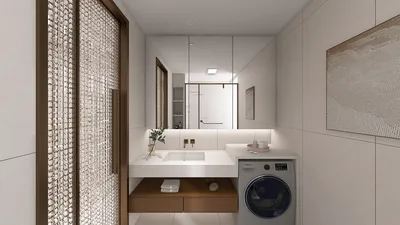


During a recent consultation, a client enthusiastically expressed their desire to paint half of their living room in neon lime, with the other half in mauve, all while expecting it to exude a calm and sophisticated vibe. I chuckled at the challenge, but I managed to turn it into a success story by employing color layering and strategic balance. This experience became one of my favorite achievements in small-space design. If you're grappling with a compact area and uncertain about where to begin, my color guide for small spaces will illustrate how thoughtful color selections can elevate your home, making it feel intentional, airy, and luxurious with tools like Homestyler.
1. Monochrome Layers: Creating Depth with One Hue
Utilizing multiple shades of a single color—such as warm greys or soft blues—promotes a harmonious appearance without clashing for attention. The benefits are tangible: it visually broadens a room and makes furniture stand out. However, the trick lies in avoiding a flat look, so I always incorporate various finishes, including matte walls, satin trims, or textured area rugs.
save pin
2. Dark Trim, Light Walls: Achieve Immediate Architecture
Applying a contrasting dark paint to trims and doors can transform a studio apartment into a sophisticated space. This method is budget-friendly since paint is less costly than carpentry. However, it requires precision; be prepared for careful taping or enlist a skilled contractor to ensure clean edges.
save pin
3. Utilizing Accent Colors for Zoning: Functional Highlights
When a space serves multiple functions, introducing an accent color can define areas without the need for physical barriers. For instance, a dining nook painted in deep teal juxtaposed with a calm neutral living room maintains a sense of openness while clarifying purpose. In kitchens, I often choose bold colors for backsplashes or cabinetry to ground the room. Check out my previous kitchen projects with Homestyler for inspiration on how color delineates both cooking and social areas.
save pin
4. Soft Pastels with a Singular Bold Accent: Combination of Subtlety and Statement
Pastels can lighten small spaces, making them feel airy and forgiving. By pairing one vibrant accent—such as a burnt orange chair or a navy cabinet—you can inject character into the room without overwhelming the design. This approach is budget-effective: keeping most of the space simple allows for splurging on durable statement pieces when necessary.
save pin
5. Introducing Texture, Murals, and Digital Models
Texture is my not-so-secret weapon—using materials like linen wallpapers, stucco finishes, or even a hand-painted mural can add richness without clutter. However, murals need a steady hand or a professional touch. Before committing, I often create a 3D color model with Homestyler, showcasing how paint looks under varying lights, preventing the hassle of repainting.
save pin
FAQ
Q1: What is the best way to select a paint color for a small space?
Begin by determining the mood you want to convey—be it calming, invigorating, or cozy—then select a primary shade along with two complementary tones. I advise testing large swatches on the wall and monitoring them during different lighting conditions, both morning and evening.
Q2: Are lighter colors always preferable in small spaces?
Light shades may reflect more light, often making rooms seem larger, but a strategically placed dark accent can provide depth and drama without confining the space. Rather than default to white, think about contrast and proportion.
Q3: How many colors should be incorporated into one room?
I usually adhere to a three-color scheme: one primary, one secondary, and one accent. This maintains a unified palette while allowing for personal expression through textures and accessories.
Q4: Is it acceptable to paint trim in a different color?
Absolutely—painting trim either darker or lighter than the walls can highlight architectural features. However, expect to invest some extra time into preparation for crisp lines, employing good painter’s tape and a patient approach.
Q5: How can I effectively test paint colors in different lighting?
Create large samples of 2x3 feet to paint on the walls and observe them throughout various parts of the day. Overhead, natural, and lamp light will alter the hue perception. Additionally, I leverage mockups to preview the overall result before proceeding with the actual paint job.
Q6: Are there specific guidelines for kitchen color selections?
Functionality is key: opt for finishes that are both durable and easy to clean. Balance vibrant cabinet hues with neutral countertops and backsplashes to avoid overwhelming the senses, a strategy supported by numerous professional kitchen studies.
Q7: Where can I find reliable color trends?
The Color Institute by Pantone issues trend reports and announces the annual Color of the Year—visit pantone.com for their expert insights, which are frequently used by designers for palette guidance.
Q8: How can I prevent expensive repainting mistakes?
Plan utilizing mood boards, test large swatches, and if possible, consider a 3D color visualization before painting to spot potential clashes early on. A small upfront investment in samples or digital mockups can save a significant repainting expense later.
save pin
Discover your dream home with Homestyler! This user-friendly online design platform offers powerful 3D rendering, a vast selection of design projects, and helpful DIY video tutorials. Whether you're a novice or a seasoned designer, Homestyler makes transforming your space easy and inspiring.
지금 무료로 디자인하세요
































