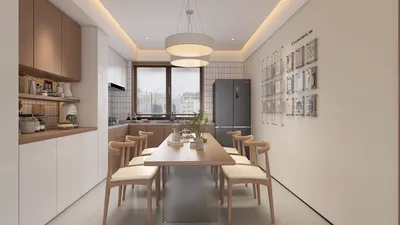


Colonial homes are cherished for their historical charm and significance. Yet, as lifestyles evolve, many homeowners find themselves in search of extra space or modern amenities. Expanding a colonial home can be a fulfilling project, merging contemporary comforts with the traditional elements of your property. Below are some inspiring ideas for colonial home additions that can elevate both the visual appeal and practicality of your living space, including how tools like Homestyler can assist in the design process.
1. **Sunroom Addition:** A sunroom can offer a bright and inviting area for both relaxation and entertaining. Ideally positioned on the southern exposure of the house, it maximizes sunlight throughout the day. Utilizing expansive windows and sliding doors helps create a fluid transition between indoors and outdoors, making it an ideal setting for enjoying your morning coffee or socializing with friends.
2. **Expanding the Master Suite:** If your family is expanding or you desire more personal space, think about adding a master suite. This addition can feature a roomy bedroom, a lavish en-suite bathroom, and possibly a walk-in closet. To keep the colonial architectural style intact, ensure that the rooflines and window placements align with the original design, thus maintaining visual unity.
3. **Creating a Covered Porch:** A covered porch not only boosts the curb appeal of your colonial home but also offers a charming outdoor area to enjoy your garden. Incorporating classic columns and railings can reflect the time-honored colonial aesthetic, making it a great spot for family gatherings or tranquil evenings spent reading.
4. **Kitchen Extension:** Often regarded as the heart of any home, the kitchen should embody comfort and functionality. If your colonial kitchen feels confined, consider an extension. A more spacious kitchen can house modern appliances and provide additional counter space. You can achieve a harmonious blend by integrating new designs with traditional cabinetry and fixtures that align with your home's classic look.
5. **Addition of a Family Room:** As households grow, so do the needs for additional living areas. Adding a family room can create a cozy corner for movie nights or game days. By incorporating large windows, the extension will invite ample natural light and offer beautiful views of your backyard.
6. **Building a Second Story:** If your property permits, constructing a second level can significantly increase your home’s footprint. This expansion could include extra bedrooms, a home office, or even a play area for the kids. Ensure that the exterior finishes match the existing colonial character to preserve your home’s unique charm.
7. **In-Law Suite Addition:** With more families opting for multigenerational living arrangements, an in-law suite can be both stylish and functional. This distinct living area can feature a kitchenette, bathroom, and bedroom, giving guests or family members their own space while remaining close to home.
When planning your colonial home expansion, it’s critical to uphold the architectural integrity of the original structure. Partnering with a knowledgeable architect or designer can ensure that your new additions harmoniously complement your existing home while fulfilling your specific functional requirements. With careful planning, your colonial residence can be seamlessly enhanced to accommodate modern living needs, potentially utilizing resources like Homestyler to visualize your designs effectively.
Tips 1:
Utilize similar materials and color palettes to guarantee that your additions harmonize with the style of your colonial home.
FAQ
Q: How can I make sure that my addition harmonizes with my colonial home? A: Collaborate with an architect who specializes in colonial architecture to maintain design consistency.
Q: Are there specific permits required for home additions? A: Yes, consult your local zoning office about necessary building permits and regulations.
Q: What materials are typically used in colonial home additions? A: Common materials consist of brick, wood siding, and shingles, ensuring they match existing structures.
How-To
Steps to plan a colonial home addition: 1. Determine your needs and budget. 2. Investigate local regulations. 3. Hire an architect experienced in colonial designs. 4. Formulate a design that complements your existing home. 5. Select quality materials that align with the original structure.
Welcome to Homestyler
Originally incubated at Autodesk, Homestyler has grown into one of the most widely adopted home design platforms in the world, now trusted by over 18 million users. Whether you're a homeowner exploring ideas or a professional designer delivering client-ready renders, Homestyler brings industry-leading 3D technology to your fingertips — no experience required.

Modern Velvet Oak Upholstered Banquette Bench 3D Model
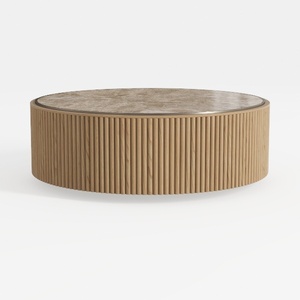
Modern Fluted Solid Wood Marble Top Round Coffee Table 3D Model
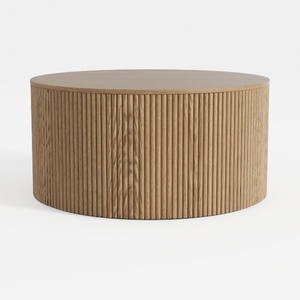
Minimalist Fluted Solid Oak Round Coffee Table 3D Model
If you're looking to transform your home design ideas into reality, Homestyler is the ideal tool for you! This user-friendly platform offers an intuitive online design tool, stunning 3D renderings, a variety of design projects, and helpful DIY video tutorials—perfect for both beginners and seasoned designers alike.
Concevez maintenant gratuitement
































