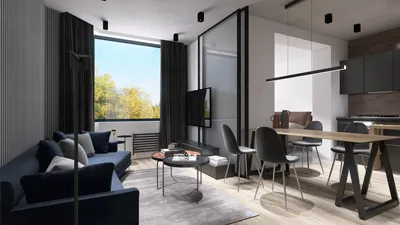


The defining challenge of William Morris Style Furniture lies in balancing its rich historical detail with contemporary living needs. This style is renowned for its intricate patterns, natural motifs, and artisanal craftsmanship inspired by the Arts and Crafts movement of the late 19th century. Designers face the task of harnessing these elaborate elements without overwhelming the space or sacrificing modern comfort and functionality. The core aesthetic involves marrying lush floral and foliage patterns with robust handcrafted woodwork, often using deep, earthy color palettes and classic forms. Achieving harmony between bold textures and the room’s spatial proportions is critical to avoid visual clutter. Preservation of the artisanal spirit demands fidelity to original materials and techniques while integrating today's lifestyle requirements. The challenge intensifies when working with scale—furniture pieces tend to have substantial presence, demanding an attentive balance of negative space and harmonious proportions. Incorporating William Morris furniture invites a tactile experience, encouraging a connection to history while inviting personal expression through detailed upholstery and curated accessories. In essence, the design challenge revolves around authenticity, spatial harmony, and embracing handcrafted artistry as a functional hallmark.
Step 1: Layout Logic — Spatial Proportions and Furniture Placement
When dealing with William Morris Style Furniture, start by assessing your room’s dimensions to accommodate the typically substantial scale of the pieces. Prioritize proportionate spacing so the intricate craftsmanship and upholstery patterns are showcased rather than stifled. For example, a Morris armchair or sofa often commands a visual anchor role, so place it against a plain, muted wall to highlight its details without competing backgrounds. Maintain at least 30–40 cm clearance around major furniture to invite movement and prevent overcrowding, allowing each element to breathe. Group seating arrangements in conversational clusters to foster intimate yet open ambiance. Position large wooden tables carefully so they don’t dominate narrow spaces; instead, use them in larger rooms as centerpieces surrounded by lighter auxiliary chairs to balance weight visually. Incorporate balance by pairing heavy wooden pieces with simpler forms in contrasting finishes and avoid symmetrically rigid layouts, which can feel outdated for today’s tastes. Start with key pieces like chests, bookcases, and sofas as anchors; then layer with complementary Morris-inspired chairs or stools. The goal is to enable each piece’s hand-crafted detail and rich textures to be observed up close without overcrowding the view. Unique Morris prints also allow for playful repetition; for instance, upholstery matching an area rug or curtain fabric creates cohesion while respecting scale and proportion.
Step 2: Light and Color — Tone Selection and Illumination Strategies
Lighting William Morris interiors demands careful layering to enhance texture and tone. Opt for warm white LED bulbs (around 2700K to 3000K) to emphasize the natural wood grains and the warmth inherent in Morris textiles. Natural light is an asset and should be maximized; use translucent draperies with subtle Morris floral motifs to diffuse sunlight and soften shadows. For areas requiring focus, such as reading nooks or display cabinets, employ adjustable directional lighting to highlight detailed carvings and fabric patterns. In color selection, build your palette around the deep woods used in furniture frames complemented by rich forest greens, muted reds, and soft golds drawn from traditional Morris palettes. Walls painted in subdued greens, deep taupes, or warm creams create a grounded backdrop that echoes the outdoor inspirations central to the style. Balance is key—if furniture patterns are boldly busy, opt for calm, monochromatic walls to prevent visual tension. For accents, incorporate jewel-toned cushions or rugs inspired by historic Morris designs, but avoid oversaturation. Employ indirect lighting through wall sconces or table lamps with fabric shades printed in subtle Morris-style motifs to blend function with decorative intent. Shadows should be soft to maintain the handcrafted warmth without harsh contrasts.
Step 3: Finishing Touches — Smaller Models for Enhanced Texture and Authenticity
Smaller decorative objects are essential in completing a William Morris interior, adding tactile richness and authenticity. Select handcrafted ceramics, vintage brass candlesticks, or intricately patterned cushions featuring Morris floral or foliage motifs. Incorporate textile elements such as woven tapestries, embroidered throws, or hand-stitched footstools that reflect the style’s dedication to craftsmanship. Display shelves filled with antique books bound in leather or cloth contribute to the narrative of timelessness tied to William Morris’ values. Attention to detail in hardware—drawer handles, door knobs, and lamp bases—can enhance the overall vintage aesthetic; look for wrought iron or embossed brass finishes reminiscent of the Arts and Crafts period. Use plants like ferns or ivy to reinforce the nature-inspired theme, ideally placed in handcrafted pots or macramé hangers. For walls, consider carefully curated framed art or prints featuring Morris designs rather than large modern abstract works, which can clash. Remember that in this style, accessories are not mere fillers but they create layers of visual story, fostering a tactile and multi-sensory environment. These small models uphold the narrative of artisanal dedication and bring the entire interior to life with subtle complexity.
Designing the Look
For designers working in Homestyler, the William Morris Style Furniture is a practical shortcut to authenticity. It removes the guesswork from sourcing — every piece is pre-matched in scale, material, and proportion to deliver a coherent William Morris result.

single sofa-William Morris Style Furniture

fabric-William Morris Style Furniture

single sofa-William Morris Style Furniture

bed-William Morris Style Furniture

throw pillow-William Morris Style Furniture

curtains-William Morris Style Furniture
FAQ
Q1: How can I blend William Morris furniture with modern elements without losing its historic charm?
A1: To balance William Morris furniture with contemporary accents, pair vintage pieces with minimalist modern lighting or sleek neutral walls. Use Morris textiles selectively—such as on cushions or curtains—while limiting the number of patterned elements to avoid visual clutter. Incorporate clean-lined modern metal or glass accessories as contrast points rather than matching every element to the style. This way, the furniture remains the focal point while your interior feels balanced and fresh.
Q2: What are the best fabrics to use for upholstery in William Morris designs to ensure longevity and authenticity?
A2: Morris furniture traditionally uses natural fibers such as wool, linen, and cotton blends woven into complex floral or foliage patterns. For durability, opt for tightly woven upholstery fabrics with dense threads. Tightly spun wool blends and high-quality linen upholstery reproductions maintain authenticity while resisting wear. Avoid purely synthetic fibers that lack texture depth and age characteristically. Prioritize fabrics certified for abrasion resistance if the furniture is for high-use areas.
Q3: How do I maintain and restore William Morris wooden furniture without compromising its original finish?
A3: Begin by cleaning furniture gently using pH-neutral wood cleansers and soft cloths to avoid surface damage. For minor scratches or wear, use carefully matched wood stain or wax that blends with the original finish; avoid aggressive sanding which alters aged patinas. Regularly apply natural beeswax polish to protect and enrich wood grain without artificial gloss. For structural repairs, consult professional restorers who specialize in heritage furniture to ensure that replacements or adhesives used don’t detract from the piece’s authenticity.
Built on technology originally developed at Autodesk, Homestyler empowers anyone to design beautiful, realistic spaces in minutes. Join over 18 million users who have already discovered a smarter way to plan, visualize, and bring their dream homes to life — all from the comfort of a browser.
Homestyler is a professional interior design software that helps users effortlessly create their dream home.
تصميم الآن مجانا
































