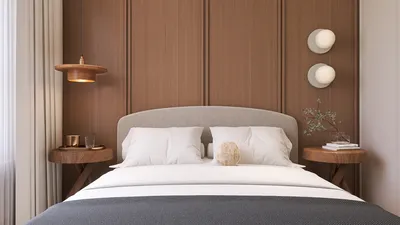


What is the most frequent core issue in Wabi-Sabi interiors?
Overloading spaces with clutter breaks Wabi-Sabi’s essence of elegant imperfection.
Quick Takeaways
1. Avoid excessive decor that distracts from natural simplicity. 2. Maintain balanced proportions between rough and refined elements. 3. Embrace functional imperfection without appearing unfinished. 4. Use natural materials authentically rather than artificially distressed. 5. Resist mixing conflicting styles that dilute Wabi-Sabi’s identity.
I have worked extensively with Wabi-Sabi interiors and noticed a persistent challenge: many embrace only its aesthetic superficiality and not its philosophy. Such oversights not only misrepresent the style but also create spaces that feel chaotic rather than calming. This is why it’s crucial to understand where the style typically falters and how to approach it with intention rather than trend-driven impulses.
Why It Goes Wrong
The most fundamental reason Wabi-Sabi interiors fail is a misunderstanding of its core principles: imperfection, transience, and simplicity. When designers overload spaces or artificially age materials without narrative intent, the aesthetic becomes superficial. Proportional imbalance and mixing incompatible styles further obscure Wabi-Sabi’s contemplative nature, turning serene spaces into confusing environments.
Mistake 1
The Mistake: Cluttering the space with too many decorative objects. Why It Happens: Designers often try to 'decorate' the imperfection, mistakenly thinking more items amplify authenticity. The Fix: Limit accessories to a few carefully chosen pieces that have natural textures and visible wear, ensuring at least 60% of surfaces remain clear to preserve openness.
Mistake 2
The Mistake: Over-distressing materials, resulting in a forced or gimmicky look. Why It Happens: There is temptation to artificially age items to signal wabi-sabi, but lack of restraint ruins the natural story. The Fix: Use authentic materials like untreated wood or handmade ceramics; let natural aging occur over time rather than applying chemical or mechanical distressing techniques.
Mistake 3
The Mistake: Ignoring scale and proportion, which causes uneven visual weight. Why It Happens: Enthusiasm for varied textures leads to juxtaposing oversized heavy objects with delicate ones without harmony. The Fix: Balance rough and refined elements by grouping objects of related scale; for example, pair a medium-sized clay vase with a wooden tray rather than a large metal sculpture to maintain compositional equilibrium.
Mistake 4
The Mistake: Confusion between Wabi-Sabi and minimalism causing sterile spaces. Why It Happens: Both styles value simplicity but Wabi-Sabi demands warmth through imperfection. The Fix: Incorporate subtle, imperfect textures and organic shapes that invite touch and show signs of time, avoiding overly sleek or glossy finishes.
Mistake 5
The Mistake: Mixing too many styles, leading to diluted identity. Why It Happens: Wabi-Sabi’s understated presence tempts layering with boho or industrial elements without mindful integration. The Fix: Stick closely to Wabi-Sabi’s palette of muted earth tones and natural materials; when mixing styles, select elements that share a similar patina or handcrafted quality.
Designing the Look
Homestyler’s ‘Wabi-Sabi’ offers a comprehensive set of ready-to-use 3D models specifically curated to embody this aesthetic, allowing designers to achieve authentic results with professional-grade textures and forms.

Bohemian Rattan Three Light Globe Pendant Lamp 3D Model

Minimalist Solid Wood Decorative Bowl 3D Model

Rustic Solid Wood Live Edge Coffee Table With Metal Hairpin Legs 3D Model

Rustic Woven Decorative Tray Ceramic Jars Solid Wood Decor Set 3D Model


Minimalist Japandi Rattan Solid Wood Arched Wardrobe 3D Model
FAQ
Q: How can I introduce Wabi-Sabi elements without making my space look unfinished?
A: Focus on intentional imperfection through carefully selected pieces that show natural signs of wear or handcrafted details rather than random damage or incompleteness. Use natural materials like wood, clay, and linen with subtle variations in tone or texture. Avoid leaving walls bare or floors patchy; instead, create a composed environment where imperfection feels purposeful and meaningful.
Q: What color palettes best suit a Wabi-Sabi interior?
A: Earthy colors dominate—think muted browns, greys, soft greens, and warm beiges. These shades evoke a natural and calming environment. Avoid bright or highly saturated colors, which conflict with Wabi-Sabi’s serene philosophy. Accents can include oxidized metals or weathered ceramics with soft patinas. The goal is to reflect nature’s evolving hues with subtle gradations.
Q: How do I balance functionality with Wabi-Sabi’s aesthetic?
A: Wabi-Sabi is not about sacrificing utility for appearance. Instead, choose functional items that also show craftsmanship and authenticity. For instance, handmade bowls with slight asymmetry or handwoven baskets can be both practical and aesthetic. Keep furniture simple and ergonomic but avoid overly polished or mass-produced pieces. The experience should feel effortless yet thoughtfully curated, blending use and beauty harmoniously.
Originally incubated at Autodesk, Homestyler has grown into one of the most widely adopted home design platforms in the world, now trusted by over 18 million users. Whether you're a homeowner exploring ideas or a professional designer delivering client-ready renders, Homestyler brings industry-leading 3D technology to your fingertips — no experience required.
Homestyler is a professional interior design software that helps users effortlessly create their dream home.
Concevez maintenant gratuitement
































