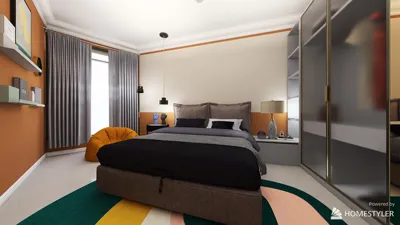


Wabi-Sabi presents a design challenge that lies in embracing imperfection and impermanence while creating a harmonious home environment. This style rejects the pursuit of flawless symmetry and polished surfaces; instead, it seeks beauty in the subtly worn, the asymmetrical, and the naturally aged. The core struggle when working with Wabi-Sabi is balancing these raw, organic elements with functional and inviting spaces. The design must avoid feeling unfinished or neglected, a nuanced task that requires deliberate selection of materials, colors, and furnishings that celebrate natural aging but support comfort and usability. Materials such as rough woods, handmade pottery, and rustic textiles become fundamental, each telling stories of human touch and time. However, these elements need to be integrated thoughtfully to prevent visual clutter or overwhelming texture that can disrupt spatial calmness. Achieving an understated elegance means placing emphasis on simplicity and authenticity, carefully curating each element so that wear and imperfection enhance rather than detract. Another challenge is working with a palette that often dwells within muted earth tones and subtle contrasts. The Wabi-Sabi palette aims to evoke tranquility but requires a trained eye to prevent the space from feeling dull or monotonous. Proper layering of colors, textures, and light becomes essential to build depth and warmth. Finally, the Wabi-Sabi approach demands a mindset change for designers accustomed to modern, polished interiors where everything is new and shiny. Instead, it invites a celebration of the past, an acceptance of time's effects, and an appreciation of organic forms. Balancing this acceptance with the need for livable, fresh-feeling interiors constitutes the primary design challenge intrinsic to this aesthetic.
Step 1: Layout Logic — Space Proportion and Furniture Placement
Wabi-Sabi’s spatial arrangement focuses on proportion and balance through intentional asymmetry rather than rigid symmetry. Start by identifying the natural flow within the room, then position furniture to allow breathing space rather than compact clusters. Choose low-profile, handcrafted furniture with organic lines, such as unfinished wooden chairs or naturally curved benches, to reinforce the humble aesthetic. Avoid overcrowding by limiting pieces to essentials, respecting the concept of 'ma' — the Japanese notion of negative space. This empty space is invaluable in creating a serene atmosphere. Ensure walkways remain unobstructed and that each furniture item has a thoughtful place that complements the overall composition. Introduce imperfections through the selection of mismatched yet harmonious pieces, such as a worn wooden table paired with a linen-covered chair. Let variations in shapes, sizes, and textures co-exist but remain coherent. Pay specific attention to scale, ensuring that furniture size aligns with room proportions to maintain flow and prevent dominance of any single element. Furthermore, layering functionality into each item is key; a simple wooden stool might serve both as seating and as a side table. This practical dual use honors the Wabi-Sabi principle of modesty and relevance. The aim is to cultivate a space that feels naturally uncontrived yet purposeful, where emptiness as much as presence defines the room’s identity.
Step 2: Light and Color — Tone Selection and Source Pairing
Lighting in Wabi-Sabi interiors enhances textures and highlights the raw beauty of materials rather than overpowering the space. Employ soft, diffused natural light wherever possible, complemented by warm-toned artificial light sources with low intensity. Lantern-shaped fixtures, paper lampshades, and ceramic sconces with rough finishes align beautifully with the style’s ethos. Color palettes anchor the space within a natural and aged spectrum — dusty browns, muted greens, faded siennas, and soft grays dominate. Undertake layering subtle color variations to add depth without disturbing the calm ambiance. Walls might be matte plaster, imbuing a tactile softness visible only upon close inspection. Avoid glossy or synthetic paints that break the natural feel. Instead, use paints with natural pigments or limewash finishes with slight unevenness on walls, contributing to the lived-in character. Introduce textile pieces with hand-dyed patterns reflecting seasonal earth tones to complement the base color scheme. Strategic placement of light sources against textured walls and objects casts gentle shadows that animate imperfections, reinforcing the aesthetic principle that beauty emerges from flaws. Experiment with low-mounted or floor-level lighting to mimic firelight’s warmth, creating intimate and cozy zones within larger areas.
Step 3: Finishing Touches — Small-Scale Models to Enhance Texture and Quality
Wabi-Sabi thrives in attention to tiny imperfections, which means small decorative objects are critical in enriching the visual and tactile experience. Introduce handcrafted ceramics, driftwood sculptures, or aged metalware that display uneven surfaces or patinas acquired over time. These items evoke stories and encourage a closer look, fostering emotional connection. Select vases or bowls with subtle color variations that hint at natural processes like uneven glazing or cracking. Flowers or dried botanicals placed inside should reflect the natural cycle — think of wilted stems or seed pods that emphasize transient beauty. Textiles such as cushions, throws, or rugs in handwoven linen or wool, with uneven stitching or irregular patterns, soften rigid furniture and invite touch. Position these accessories in unexpected places: draped carelessly but thoughtfully over armrests or casually layered across seating. Another effective gesture is the use of vintage objects, like old books with yellowed pages or weathered photo frames, carefully integrated to suggest age and history. The key is moderation—too many knick-knacks can disrupt the minimalist spirit. Instead, each item must have room to ‘breathe,’ reinforcing the Wabi-Sabi’s philosophy that emptiness and imperfection are equally valued.
Designing the Look
For designers working in Homestyler, the Wabi-Sabi is a practical shortcut to authenticity. It removes the guesswork from sourcing — every piece is pre-matched in scale, material, and proportion to deliver a coherent Wabi-Sabi result.


Minimalist Solid Wood Decorative Bowl 3D Model

Rustic Solid Wood Live Edge Coffee Table With Metal Hairpin Legs 3D Model

Rustic Woven Decorative Tray Ceramic Jars Solid Wood Decor Set 3D Model


Minimalist Japandi Rattan Solid Wood Arched Wardrobe 3D Model
FAQ
Q: How can I balance Wabi-Sabi's intentional imperfection with modern functionality?
It’s important to select pieces that appear naturally worn but remain durable and practical for everyday use. Consider modern furniture made from natural materials, which combine longevity with organic beauty. Accessories should be chosen for their aesthetic and ergonomic qualities, so the space never sacrifices comfort despite the rustic look.
Q: What lighting strategy best enhances Wabi-Sabi textures?
Utilize layered lighting including ambient, task, and accent sources. Soft diffused light brings out rough plaster and wood grain textures without harsh shadows. Accent lights should gently spotlight imperfections to dramatize natural surfaces, while avoiding glare or overly bright illumination which can flatten textures.
Q: Can Wabi-Sabi be adapted for small urban apartments?
Absolutely. Minimalism central to Wabi-Sabi complements small spaces by prioritizing only essential furniture and maximizing negative space. Focus on multipurpose, small-scale handcrafted furnishings and keep color palettes light and muted to create an illusion of openness while preserving the style’s authentic character.
Built on technology originally developed at Autodesk, Homestyler empowers anyone to design beautiful, realistic spaces in minutes. Join over 18 million users who have already discovered a smarter way to plan, visualize, and bring their dream homes to life — all from the comfort of a browser.
Design your ideal space with Homestyler, turn your creativity into reality, and craft a unique home style that is truly your own.
Zaprojektuj teraz za darmo
































