

Conclusion
Vintage Furnishings and Modern Minimalism represent two fundamentally different design philosophies. Vintage prioritizes rich textures and nostalgia, whereas Modern Minimalism emphasizes simplicity and neutrality. The choice often hinges on whether one values warmth and detail over clarity and openness.
Style A Deep Dive: Vintage Furnishings
Vintage Furnishings embrace the charm of past eras with ornate detailing, warm wood tones, and eclectic decorative elements. This style thrives on layered textures such as plush upholstery, carved wood accents, and intricate patterns. Ideal for spaces seeking character, personal history, or a cozy, inviting atmosphere, vintage can transform rooms into nostalgic narratives. However, its richness sometimes complicates minimal floor plans and may overwhelm smaller spaces that need clarity and airiness.
Style B Deep Dive: Modern Minimalism
Modern Minimalism strips interiors to their most essential elements focusing on clean lines, neutral palettes, and functional forms. The aesthetic relies on negative space and restrained décor to promote calmness and focus. Key materials include polished metals, matte finishes, and plain textiles emphasizing texture contrasts rather than ornate details. This style suits urban lofts, contemporary offices, and anyone who prioritizes clarity and tranquility. However, it can feel sparse or cold without strategic warmth introduced via textiles or lighting.
Head-to-Head
Dimension | Vintage Furnishings | Modern Minimalism ---|---|--- Color Palette | Warm, earthy, jewel tones | Neutral tones, monochrome Material Use | Wood, leather, richly textured fabrics | Metal, glass, plain fabrics Spatial Impression | Dense, layered, intimate | Open, airy, uncluttered Ideal Users | Those valuing nostalgia and comfort | Those seeking simplicity and order
How to Choose
Start by evaluating the atmosphere you want in your living space. If you appreciate storytelling through décor, enjoy collecting unique objects or antiques, or want a warm, enveloping environment, Vintage Furnishings are fitting. Alternatively, if your lifestyle benefits from clear surfaces, easy maintenance, and a calming palette that reduces distractions, Modern Minimalism will better support your needs. Consider space size as well; vintage suits larger rooms rich with features, while minimalism excels in small, modern layouts.
Designing the Look
If Vintage Furnishings is the direction you're drawn to, Homestyler's 'Vintage Furnishings' gives you a ready-built library to start experimenting immediately — no sourcing, no scale guesswork, just design.
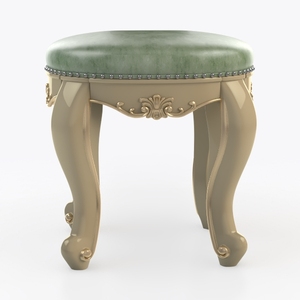
French Vintage Velvet Upholstered Vanity Stool 3D Model

Classic French Carved White Marble Fireplace 3D Model

Vintage French Upholstered Carved Wood Dining Chair 3D Model

26 in. White and Gold Square Wood End/Side Table w
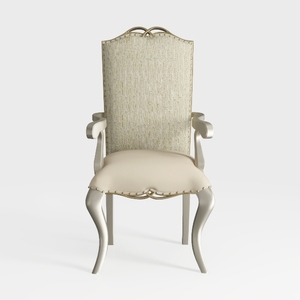
Picket House Modern Wood Cream Furnishings Regal A
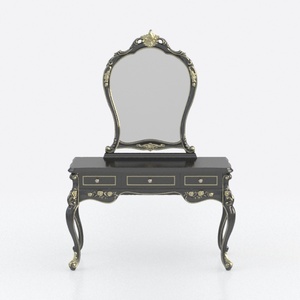
Vintage Black Gold Ornate Vanity Table With Mirror 3D Model
FAQ
Q1: Can I mix Vintage Furnishings with Modern Minimalism in one space?
A1: Mixing these styles requires deliberate contrast management. Use vintage pieces as focal accents in minimally designed rooms to create warmth without clutter. Balance scale and color to unify the look.
Q2: Are Vintage Furnishings suitable for small apartments?
A2: Large, ornate vintage pieces can overwhelm small spaces. However, selecting streamlined vintage furniture with simpler lines and smaller scale can adapt the style to compact interiors.
Q3: What are cost considerations between the two styles?
A3: Vintage Furnishings often involve investing in antiques or replicas, which can be pricey but durable. Modern Minimalism may have lower upfront costs focused on fewer pieces but requires quality materials for lasting simplicity.
What began as an Autodesk innovation has evolved into a design platform used by more than 18 million people around the globe. Homestyler combines powerful rendering, an intuitive editor, and a vast furniture library to help you turn inspiration into photorealistic designs — whether you're redesigning a single room or planning an entire home.
Design your ideal space with Homestyler, turn your creativity into reality, and craft a unique home style that is truly your own.
Design jetzt kostenlos
































