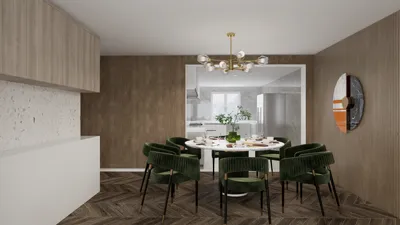


Introduction
Vintage Furnishings center themselves on an aesthetic that evokes nostalgia and celebrates enduring craftsmanship. This style is not merely about replicating past eras; instead, it is a thoughtful curation that honors the historical significance and emotional resonance of furniture pieces that have stood the test of time. The philosophical origin of Vintage Furnishings lies in the appreciation of heritage, the value of patina, and the narrative embedded within worn surfaces and well-loved forms. Combining history with daily living spaces, this aesthetic seeks to create environments where each piece tells a story, yet harmonizes seamlessly with modern functionality. The essence of this style challenges contemporary trends that emphasize newness and minimalism by championing aged materials and intricate details, creating an interplay between antiquity and current design sensibilities. This deep-rooted connection to the past offers a tactile and visual warmth that is distinctively human and inviting, shaping interiors that feel authentic rather than artificial.
Core Elements
The first defining element of Vintage Furnishings is the color palette, which gravitates toward muted, earthy tones and rich, aged hues. Warm sepias, faded blues, and soft greens blend with ivory and distressed whites to create a comforting backdrop that echoes the faded elegance of bygone eras. This color range is never stark or overly saturated; instead, it is tempered with the subtle imperfections of time, such as oxidized metals or weathered wood grain, which add depth and character. The subtle color modulation enables spaces to feel layered and lived-in, inviting occupants to engage with the tactile quality of surfaces that have absorbed decades of use and care.
Textural interplay forms the second critical characteristic. Materials often include patinated brass, worn leather, hand-carved wood, and delicately patterned fabrics with evident signs of wear. These textures do more than decorate — they provide a sensory experience that connects the viewer with the craft that fashioned these pieces. For instance, the roughness of a chiseled wooden leg contrasts with the softness of an aged velvet upholstery, resulting in a balanced tactile dialogue within the space. This element underscores the philosophy that beauty is not pristine perfection but the nuanced details and irregularities that reveal age and history. The choice of materials is deliberate, encouraging the preservation of natural flaws and encouraging an organic evolution of furnishings over time.
Shapes and forms in Vintage Furnishings embrace ornate curves, turned legs, and intricate moldings which evoke the craftsmanship of eras like Victorian or Mid-Century Modern, depending on substyle preference. Unlike stark modern geometries, these shapes favor complexity and visual richness. Silhouettes include cabriole legs, tufted backs, and beveled edges, each portraying the artisan’s hand and attention to detail. The emphasis lies in creating furniture with a story and personality, where every contour plays a role in expressing authenticity. This results in a richly textured spatial composition where dynamic forms hold the viewer’s eye and invite closer inspection, reinforcing an environment imbued with history and personal meaning.
Designing the Look
Homestyler’s ‘Vintage Furnishings’ offers a comprehensive set of ready-to-use 3D models specifically curated to embody this aesthetic, allowing designers to achieve authentic results with professional-grade textures and forms. These models serve as a practical toolkit for professionals intent on integrating vintage elements into contemporary interiors without losing the integrity of original craftsmanship. The availability of such detailed assets means designers can experiment with scale, spatial arrangements, and material combinations that reflect genuine wear, thereby avoiding the sterile impression that can sometimes mar retro-inspired designs. Using these models accelerates the conceptual-to-realization process by facilitating visualizations with inherent depth and realism. Furthermore, the curated selection ensures historical accuracy, offering an educational dimension by illustrating period-specific attributes through digital means. The translation of vintage nuances into digital form supports nuanced storytelling in design projects, whether residential or commercial, highlighting the dialogue between past and present.
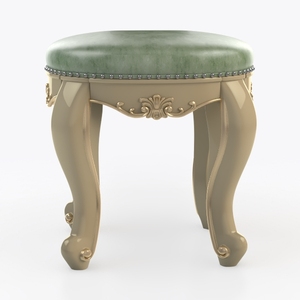
French Vintage Velvet Upholstered Vanity Stool 3D Model


Vintage French Upholstered Carved Wood Dining Chair 3D Model

26 in. White and Gold Square Wood End/Side Table w
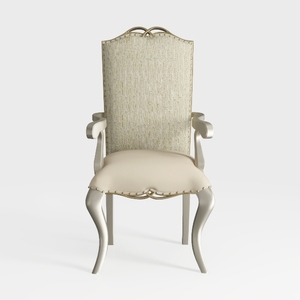
Picket House Modern Wood Cream Furnishings Regal A
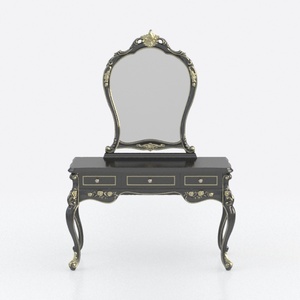
Vintage Black Gold Ornate Vanity Table With Mirror 3D Model
FAQ
Q: How can Vintage Furnishings be incorporated into modern minimalistic homes without overwhelming the space?
A: The key is selective integration focusing on statement pieces rather than full vintage makeovers. Choose iconic shapes or aged textures as focal points paired with neutral, uncluttered surroundings to create a sophisticated contrast. Balancing scale and ensuring sufficient open space around vintage elements prevents visual overcrowding and maintains harmony between old and new.
Q: What maintenance do authentic vintage furnishings require to preserve their textures and colors?
A: Regular gentle cleaning with appropriate products maintains integrity; for example, wood benefits from periodic waxing while leather requires conditioning. Avoid harsh chemicals that strip patina or fade fabrics. Furthermore, protecting furnishings from direct sunlight prevents accelerated color degradation, helping preserve their lived-in richness and preventing brittleness or discoloration over time.
Q: Are there particular material combinations that work best within Vintage Furnishings to reinforce its nostalgic appeal?
A: Yes, pairing natural woods with metals such as brass or bronze enhances textural depth. Layered textiles, including embroidered velvets and linen blends, complement carved surfaces beautifully. Integrating elements like distressed leather or aged glass creates a cohesive tactile experience that underscores heritage and artisanal quality, essential to the vintage narrative.
What began as an Autodesk innovation has evolved into a design platform used by more than 18 million people around the globe. Homestyler combines powerful rendering, an intuitive editor, and a vast furniture library to help you turn inspiration into photorealistic designs — whether you're redesigning a single room or planning an entire home.
Homestyler is a professional interior design software that helps users effortlessly create their dream home.
立即免费设计
































