


What is the core problem most common in Vintage Furnishings interiors?
Overcrowding with mismatched elements that disrupt the cohesive nostalgic feel.
Quick Takeaways
1. The temptation to combine too many vintage pieces can lead to visual chaos rather than charm.
2. Using oversized or undersized furnishings disrupts spatial harmony fundamental to vintage aesthetics.
3. Mixing vintage styles from too broad a timeframe creates confusing and jarring interiors.
4. Neglecting the material authenticity of finishes results in a lack of genuine vintage warmth.
5. Over-decoration with excessive ornamentation overwhelms the subtlety of period details.
Introduction
I have encountered countless vintage-inspired interiors where the original charm is lost amidst misplaced choices and overcrowding. The allure of Vintage Furnishings lies in their nostalgic warmth and evocative character, yet without careful curation, these spaces fall into confusion and clutter. Identifying why vintage style so frequently goes off track requires attention to proportionality, authenticity, and restrained layering of elements.
Why It Goes Wrong
Vintage Furnishings frequently fail due to a mix of overdecoration, ignoring scale, and confusing mixes of eras. This style demands a delicate balance that honors the past while adapting to contemporary use. Disregarding the proportional harmony of period pieces, combining too many visual motifs, or using mass-produced replicas erodes the vintage soul. The allure of nostalgia is subtle and suffers when overwhelmed by clutter or pastiche.
Mistake 1
The Mistake: Flooding spaces with multiple unrelated vintage pieces creating visual and functional chaos. Why It Happens: Collectors and enthusiasts often want to showcase as many finds as possible, assuming quantity equals richness. The Fix: Select a focused color palette and theme—limit furnishings to 3-5 key pieces per room to maintain harmony and breathing space.
Mistake 2
The Mistake: Using vintage furniture that is too large or too small for the space, throwing off balance. Why It Happens: Historical pieces were made with different room sizes in mind; modern spaces may not accommodate their proportions. The Fix: Measure room dimensions carefully; choose vintage pieces whose scale complements the space. Use rugs and lighting to anchor oversized items proportionally.
Mistake 3
The Mistake: Mixing vintage styles from unrelated decades without transition causes confusion. Why It Happens: A lack of knowledge about design history leads to grouping items solely based on age rather than style coherence. The Fix: Focus on one or two adjacent eras, such as mid-century and art deco, to maintain style dialogue and fluidity.
Mistake 4
The Mistake: Choosing knockoffs or materials that mimic vintage items without authenticity signifies superficiality. Why It Happens: Original vintage may be costly or unavailable, tempting substitutes lacking character. The Fix: Invest in well-crafted reproductions or authentic pieces wherever possible, emphasizing natural materials and period-accurate finishes.
Mistake 5
The Mistake: Over-accessorizing with ornate items and patterns overpowers the nuanced elegance of vintage designs. Why It Happens: The desire to impress with abundance leads to cluttered, busy rooms that lose coherence. The Fix: Apply a curated approach—highlight select statement accessories with restraint, letting negative space and simplicity balance the composition.
Designing the Look
Homestyler’s ‘Vintage Furnishings’ offers a comprehensive set of ready-to-use 3D models specifically curated to embody this aesthetic, allowing designers to achieve authentic results with professional-grade textures and forms.
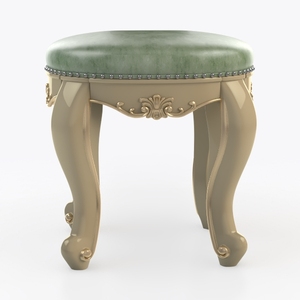
French Vintage Velvet Upholstered Vanity Stool 3D Model

Classic French Carved White Marble Fireplace 3D Model

Vintage French Upholstered Carved Wood Dining Chair 3D Model

26 in. White and Gold Square Wood End/Side Table w
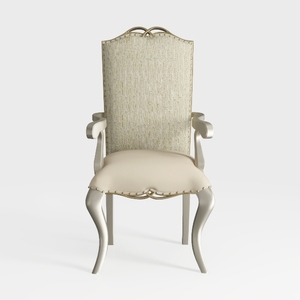
Picket House Modern Wood Cream Furnishings Regal A
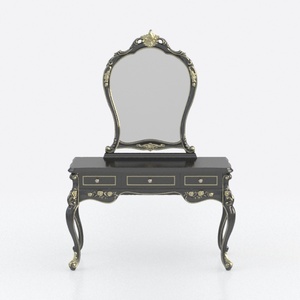
Vintage Black Gold Ornate Vanity Table With Mirror 3D Model
FAQ
Q: How do I ensure a vintage furnishing style stays authentic and not kitschy?
Focus on genuine or well-crafted vintage pieces, maintain a consistent era or theme, and avoid overcrowding. Rely on quality materials like wood and brass with evident patina. Incorporate classic silhouettes with muted, period-appropriate color palettes. Resist the urge to mix too many loud patterns or accessories, preserving a subtle nostalgic atmosphere.
Q: What scale considerations are critical when integrating vintage furniture in modern spaces?
Vintage furniture often requires spatial adjustments since historical room dimensions differed. Ensure pieces do not overpower or seem minuscule compared to room size by measuring both furniture and space beforehand. Use supportive elements such as rugs and lighting to enhance spatial harmony. If necessary, pair vintage accents with minimalist modern elements to prevent visual overload.
Q: Can mixing multiple vintage eras work in one design?
Mixing eras demands nuanced visual transitions and shared stylistic elements. Adjacent eras, for example, late 1950s mid-century with early 1960s Scandinavian, can blend if color palettes or materials overlap. However, random mixes across distant periods often confuse the eye and dilute authenticity. Use transitional pieces or neutral backgrounds to create cohesion, but prioritize simplicity to maintain clarity.
What began as an Autodesk innovation has evolved into a design platform used by more than 18 million people around the globe. Homestyler combines powerful rendering, an intuitive editor, and a vast furniture library to help you turn inspiration into photorealistic designs — whether you're redesigning a single room or planning an entire home.
Leverage Homestyler's AI-powered features to quickly generate professional interior design schemes.
立即免费设计
































