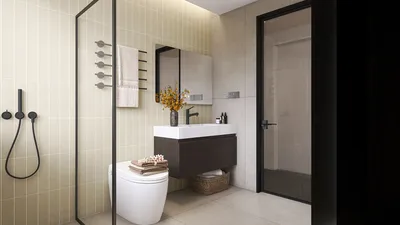


Capturing the essence of Vintage Furnishings style hinges on balancing nostalgia with functionality. The real design challenge lies in maintaining authentic retro character without overwhelming modern living needs. Unlike contemporary minimalism, Vintage Furnishings revel in textures, patterns, and eras spanning mid-century to classic antique influences. This style demands precise calibration of scale, color, and material to preserve coherence while avoiding clutter or outdated feels. The core tension is between historical accuracy and contemporary comfort. To achieve this, designers must select furniture and decor that embody vintage aesthetics in genuine materials and craftsmanship, yet harmonize with spatial dynamics and lighting conditions. Overly ornate or mismatched elements risk diluting the style’s purity. Likewise, modern insertions require careful integration to prevent stylistic discord. Ultimately, the design must evoke warmth and familiarity — nostalgic yet livable. Every choice from upholstery fabric to placement echoes the era’s ethos without becoming mere period pastiche. Authenticity is not an automatic consequence of vintage items; it derives from judicious curation and spatial intelligence. Managing scale discrepancies between antique furnishings and present-day room dimensions is crucial, so spaces feel inviting rather than cramped. Lamp selections and ambient hues reinforce mood and tie spatial components into a thoughtfully composed whole. Thus, the greatest obstacle in Vintage Furnishings interiors is creating an immersive yet usable environment that respects history while accommodating contemporary lifestyles — a carefully maintained tension requiring meticulous design execution.
Step 1: Layout Logic — Spatial Proportions and Furniture Placement
Begin by mapping out the room’s dimensions and natural circulation paths. Vintage furniture often features substantial profiles and intricate details that command visual weight. To prevent overcrowding, select key statement pieces rather than filling every corner. Anchor the room’s layout around a focal point such as a classic sideboard or retro sofa with characteristic tapered legs. Maintain comfortable circulation aisles of at least 30-36 inches around major furnishings to ensure usability. Position larger furniture against walls to maximize open floor space while balancing symmetry for visual harmony. Consider groupings that encourage social interaction, for example pairing a vintage armchair and ottoman across from a tufted settee. Avoid pushing every piece flush to walls as mid-century interiors frequently embraced open conversational layouts. Introduce layered rugs to define zones without fragmenting space. Proportion is vital — modern spacious rooms can accommodate vintage pieces scaled down from originals, but compact spaces may require scaled replicas to maintain balance. Use furniture feet height and bulkiness to adjust perceived lightness; glass-top tables or slender-legged chairs offer airiness amid heavier woods. Visual rhythm emerges from repeating material finishes and shapes, such as recurring walnut tones or curved backs. This thoughtful placement integrates varied vintage pieces into a cohesive narrative, ensuring spatial coherence that respects the distinct character of each element.
Step 2: Light and Color — Tone Selection and Light Source Pairing
The color palette in Vintage Furnishings must echo retro authenticity without appearing dated or flat. Warm, muted tones like mustard yellow, olive green, burnt orange, and rich browns work best to invoke classic mid-century moods. Balance these with neutrals derived from natural materials such as beige linens and wood grains. Wall colors should complement rather than compete with the furniture’s patina—off-white, light greige, or subtle sage are excellent backdrops. When introducing pattern, limit it to accent textiles or wallpapers featuring stylized florals, geometrics, or abstract motifs common to 1950s and 60s décor. Lighting plays a pivotal role in enhancing texture and color saturation. Integrate varied light sources—overhead fixtures, table lamps, and floor lamps—that reference vintage designs, such as globe pendants or brass arc lamps, to reinforce stylistic narratives. Utilize warm LEDs that mimic incandescent warmth around 2700K to protect color fidelity of fabrics and woods. Spread light to avoid harsh shadows that disrupt the soft, inviting atmosphere. Reflective surfaces like mirrors or brass details maximize ambient glow without glare. Consider dimmers to modulate intensity for different times and moods, enabling a dynamic experience from daylight to evening relaxation. Layered lighting combined with a curated palette ensures an immersive Vintage Furnishings aura that appeals visually and emotionally.
Step 3: Finishing Touches — Accent Models Enhancing Overall Texture
Small but deliberate decorative objects define the authenticity and charm of Vintage Furnishings interiors. Select accents that reinforce period identity without overcrowding surfaces. For example, authentic ceramic vases, brass candle holders, or vintage clocks add tactile warmth and storytelling details. Incorporate books or vinyl record covers as subtle nods to mid-century passions. Fabric cushions with period-appropriate patterns and textures like tweed or boucle add comfort and visual layering. Use natural materials such as leather-bound objects or woven baskets to contrast lacquered wood or metals, creating sensory depth. When placing these pieces, group in odd numbers for organic arrangement and avoid topping every horizontal surface to prevent clutter. Artworks on walls should replicate mid-century aesthetic sensibilities: abstract works, photorealistic prints, or sunburst motifs. Functional vintage tech pieces like rotary phones or radios can double as conversation starters. Living plants in ceramic or wooden planters provide life and color harmony, helping soften rigid lines. These smaller scale models act as punctuation marks in the room’s narrative—sophisticated yet approachable, adding dimension beyond the primary furnishings. They harmonize the design and invite occupants to linger, providing the tactility and personality that define vintage style’s enduring appeal.
Designing the Look
For designers working in Homestyler, the Vintage Furnishings is a practical shortcut to authenticity. It removes the guesswork from sourcing — every piece is pre-matched in scale, material, and proportion to deliver a coherent Vintage Furnishings result.
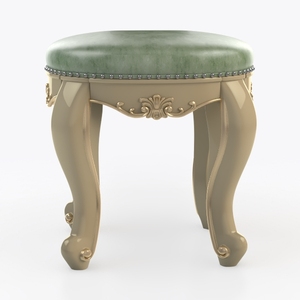
French Vintage Velvet Upholstered Vanity Stool 3D Model

Classic French Carved White Marble Fireplace 3D Model

Vintage French Upholstered Carved Wood Dining Chair 3D Model

26 in. White and Gold Square Wood End/Side Table w
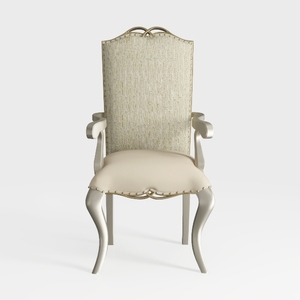
Picket House Modern Wood Cream Furnishings Regal A
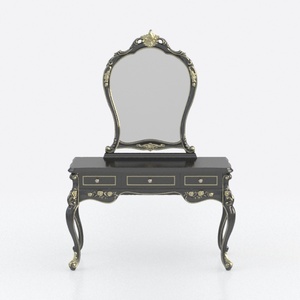
Vintage Black Gold Ornate Vanity Table With Mirror 3D Model
FAQ
Q1: How can I ensure the vintage furniture fits well in a modern, smaller space?
A1: Choose vintage pieces with narrower profiles and reduced bulk. Look for items with slender legs or glass tops that impart visual lightness. Avoid overly ornate or massive antiques that overwhelm limited square footage. Consider scaled-down replicas or mix vintage with minimalist modern elements to preserve balance and airflow.
Q2: What lighting types work best to highlight vintage furnishings without damaging materials?
A2: Use warm LED bulbs around 2700K that mimic soft incandescent light, which protects wood and textiles from color fading. Employ multiple layers—pendants, floor, table lamps—to diffuse illumination gently. Avoid harsh direct sunlight or intense halogen lighting that can cause material deterioration over time.
Q3: How do I mix vintage furnishings with contemporary décor without stylistic clash?
A3: Keep color palettes cohesive by repeating core neutrals or accent hues. Balance ornate vintage elements with cleaner modern lines in complementary materials. Use transitional objects like abstract art or neutral textiles to create visual bridges. Introduce new accessories in vintage-inspired finishes (brass, wood) to unify the look.
Built on technology originally developed at Autodesk, Homestyler empowers anyone to design beautiful, realistic spaces in minutes. Join over 18 million users who have already discovered a smarter way to plan, visualize, and bring their dream homes to life — all from the comfort of a browser.
Homestyler has millions of users worldwide, making it one of the most popular online home design platforms.
지금 무료로 디자인하세요
































