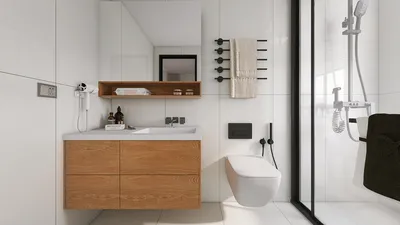


Tuscan Style confronts the challenge of harmonizing rustic warmth with refined sophistication, delivering a space that feels both welcoming and timeless. This style draws its inspiration from the sun-drenched villas scattered across Italy’s Tuscany region, characterized by textured surfaces, earthy palettes, and handcrafted accents. Yet the core design tension lies in balancing the robust, often heavy architectural elements—like exposed wooden beams and terracotta tiles—with delicate furnishings and subtle decorative flourishes. Achieving this equilibrium requires a thoughtful selection of materials and precise spatial planning to prevent the space from feeling either overly rough or insubstantially decorative. The underlying aesthetic logic demands a layered approach: grounded in natural materials that age beautifully over time, combined with colors evoking Tuscan landscapes such as terracotta, ochre, and olive greens. Curated artifacts and artisan details serve as punctuations, enriching the narrative without overwhelming the senses. Unlike more minimalist modern styles, Tuscan interiors invite an abundance of texture and pattern, yet move with ease through carefully measured proportions and intentional contrasts. This style continuously negotiates between rustic authenticity and a comfortable livability suited for contemporary lifestyles. Designers and homeowners face conundrums such as integrating traditional stone or plaster finishes with modern amenities, or pairing ornate wrought iron fixtures alongside streamlined cabinetry. The defining design challenge is thus less about rigid adherence to vintage motifs, and more about a nuanced orchestration that captures an enduring Mediterranean spirit with practical sophistication. To address this, each design decision—from furniture scale to lighting direction—must contribute to a coherent spatial composition that feels naturally aged yet undeniably curated. Texture layers, from rough-hewn wood to soft linens, create tactile richness, while color schemes align with environmental warmth to foster an inviting ambiance throughout. This meticulous calibration transforms rustic elements from raw to refined, producing interiors where every detail resonates with the Tuscan legacy.
Layout Logic — Spatial Proportions and Furniture Placement
The fundamental principle in crafting a Tuscan-inspired room lies in acknowledging the space’s inherent proportions and establishing a functional yet relaxed furniture arrangement that encourages convivial living. Start by evaluating your room size and ceiling height—Tuscan interiors favor generous volumes with lofty ceilings often featuring exposed beams. These vertical elements create architectural interest that anchors the space while visually expanding the room. Furniture should be substantial but not overwhelming. Opt for pieces with classic lines and sturdy construction, often constructed from warm woods such as walnut or chestnut that naturally imbue richness. Arrange seating areas to create conversational pockets, avoiding overly linear layouts. For example, combine a plush, neutral upholstered sofa facing a stone fireplace with paired rustic leather armchairs angled slightly inward. This encourages interaction without crowding. Leave sufficient breathing room around furniture to maintain flow and tactile comfort—approximately 30 to 36 inches between pieces facilitates easy movement while preserving intimacy. Group rustic dining tables with carved wooden chairs under wrought iron chandeliers, centering them in open-plan spaces that blend kitchen and living zones seamlessly. Layer functional zones with carefully selected rugs that define areas without fragmenting. Terra-cotta tiled floors or large natural fiber rugs anchor gathering spaces authentically. Avoid overcrowding by paring down unnecessary accessories so the structure and form of furnishings can breathe visibly. Integrate built-in shelving or alcoves finished in textured plaster or warm stone to complement bulky furniture, giving your layout depth without clutter. Architectural niches become natural stages for displaying pottery or hand-blown glass objects, adding narrative without competing spatially. Ultimately, the spatial choreography involves a dialogue between room scale, volumetric architectural traits, and furniture massing. Proportionally balanced, thoughtfully placed furniture pieces cultivate a Tuscan atmosphere that feels easeful, lived-in, and enduringly elegant.
Light and Color — Tone Selection and Source Coordination
A signature feature of Tuscan design is its warm, sunlit appearance. Capturing this is less about brightness alone and more about manipulating hues and light sources to conjure the region’s Mediterranean glow. Start by selecting a foundational color palette rooted in earthy, natural tones: muted golds, soft olives, terracotta reds, and creamy beiges. These shades recall Tuscan landscapes, sun-baked walls, and aged ceramics. Walls often display textured plaster with a soft matte finish that diffuses natural light, helping it feel tender rather than stark. Consider finishes creating subtle shadow play, such as Venetian plaster or limewash, which introduce depth and tactile warmth. Position windows strategically to maximize natural daylight penetration. Large casement or arched windows dressed with light linen curtains foster an airy feel while filtering harsh light softly indoors. Skylights or clerestory windows are excellent in deeper rooms to enhance diffuse illumination. Artificial lighting complements warmth through layered sources. Install wrought iron lantern pendants or aged bronze sconces that cast gentle, dappled light creating shadows reminiscent of flickering candlelight. Use amber-tone bulbs or warm LEDs near 2700K color temperature for a golden hue. Table and floor lamps with rustic bases and linen or parchment shades add localized pools of inviting glow — critical for evening ambience. Integrate recessed lighting sparingly and opt for dimmers to adjust intensity according to mood. Accent lighting highlights architectural features like masonry fireplaces, terracotta floors, or wooden ceiling beams, enhancing texture recognition and reinforcing materiality. Combining these tactics results in a layered illumination experience where color tones and light quality conspire to evoke the Tuscan countryside’s warmth and timelessness.
Eye-Catching Details — Small Model Pieces Elevating Overall Texture
Tuscan interiors thrive on artisanal accents and carefully curated small decorative models that add character without overcrowding. Begin with ceramic and terracotta objects—vessels, urns, and hand-painted pottery that imbue spaces with craft credibility. These pieces often feature soft imperfections and earthy glazes that reinforce authenticity. Incorporate wrought iron details such as candleholders, curtain rods, and decorative grilles. Their organic patina makes them appear aged naturally and adds textural contrast against plaster or wood. Introduce textile smaller models like embroidered cushions, woven throws, and tasselled runners crafted from natural linens and wools. Choose warm, muted hues or traditional patterns inspired by Italian folklore for layering softness. Decorative wall plaques, rustic mirrors with wooden frames, and framed botanical prints referencing Tuscan flora add vistas of interest at eye level. Avoid glossy or ultra-modern finishes for these accessories in favor of matte, lightly distressed surfaces. Hand-carved wooden figurines or sculptural pieces help inject tactile nuance and reference the region’s woodworking tradition. Introduce subtle metallic accents in bronze or copper through small models of bowls or trays that catch light amid the earthy backdrop. Plants and fresh herbs displayed in clay or stone pots bring living vitality and seasonal freshness, deepening the sensory connection with nature essential in Tuscan style. These carefully chosen small pieces act as punctuation marks—delivering warmth, texture, and handcrafted authenticity that coalesce to enrich the overall spatial story.
Designing the Look
For designers working in Homestyler, the Tuscan Style is a practical shortcut to authenticity. It removes the guesswork from sourcing — every piece is pre-matched in scale, material, and proportion to deliver a coherent Mediterranean rustic result.

Vintage Carved Solid Wood Interior Door 3D Model

Modern Brown Leather Oversized Sofa With Accent Pillows 3D Model

curtain-Tuscan Style


Vintage Walnut Solid Wood Sideboard with Ornate Metal Hardware 3D Model

Vintage Solid Wood Picture Frames Set Decorative 3D Model
FAQ
Q1: How can I effectively blend modern amenities into a Tuscan style interior without compromising its rustic character?
Integrate modern elements by selecting appliances and fixtures with warm finishes such as bronze or matte black that harmonize with Tuscan tones. Conceal technology within cabinetry made from natural wood, and use traditional stone or terracotta for surrounding countertops or backsplashes. Moreover, opt for designs with soft edges or vintage-inspired hardware to keep modernity subtle and complementary.
Q2: What is the best way to maintain the authenticity of color palettes in rooms with limited natural light?
Counterbalance limited daylight through layered warm artificial lighting using amber bulbs or dimmable sconces to mimic natural warmth. Choose lighter tones from the Tuscan palette like creamy ochres or pale terracotta for walls and fabrics to reflect light. Reflective textured finishes, like Venetian plaster, help bounce light softly throughout the space.
Q3: How do I prevent Tuscan decor from feeling cluttered given its emphasis on texture and decorative pieces?
Focus on curated collections with intentional spacing. Limit decorative models to key focal points such as mantelpieces, side tables, or niches and avoid over-accessorizing large surfaces. Allow architectural elements like beams or textured walls to serve as natural decoration. Maintain clear zones of negative space so textures and objects can be appreciated individually and collectively.
Built on technology originally developed at Autodesk, Homestyler empowers anyone to design beautiful, realistic spaces in minutes. Join over 18 million users who have already discovered a smarter way to plan, visualize, and bring their dream homes to life — all from the comfort of a browser.
Homestyler offers a vast library of furniture and decoration materials to meet all your design needs.
Design Now for FREE
































