


Tropical Vibes design confronts the intrinsic challenge of striking balance between exuberant nature-inspired elements and functional indoor living. The essence of this aesthetic is evoking lush, verdant environments indoors without allowing the space to feel cluttered or chaotic. Achieving harmony between bold tropical motifs, varied textures, and practical furniture demands meticulous attention to spatial relationships and curated material choices. The core challenge resides in reconciling the sensory richness of tropical foliage and bright color accents with organized, restful living spaces. Tropical interiors thrive on vibrancy—featuring vivid greens, saturated floral hues, natural fibers, and organic shapes. However, over-saturation threatens to overwhelm, diminishing calm and ease which interiors must offer. Design decisions here must mitigate visual noise through thoughtful layering, controlled repetition, and negative space. Additionally, integrating climate-appropriate materials and finishes, such as rattan, bamboo, and linen, supports authenticity and durability. Lighting also poses a subtle difficulty; natural brightness is coveted but often limited indoors. Designers must simulate daylight quality through layered artificial sources and reflective surfaces while maintaining the warmth characteristic of tropical environments. This is especially vital for enhancing foliage textures and painted accents, preserving their vibrancy throughout the day. Ultimately, Tropical Vibes style calls for deliberate curation rather than casual assortment. Every pattern, plant, and furnishing must coalesce into a fluent narrative that refreshes the spirit without sensory overload. Finding this calibrated blend of exuberance and order defines the style’s integrity and lasting appeal.
Step 1: Layout Logic — Space Proportion and Furniture Arrangement
Begin by assessing the room’s dimensions and focal points to establish a natural flow that accommodates both spatial openness and inviting zones. Tropical design favors open, airy layouts that emphasize connection to nature, so avoid overcrowding. Opt for mid-century or light wood furniture with streamlined shapes to ensure scale complements human movement. Anchor seating areas with low-to-mid-height sofas and chairs in neutral or muted natural tones to contrast vibrancy without competing. Position furnishings to maximize line of sight toward windows or green elements, fostering indoor-outdoor harmony. Leave generous clearance around passages—minimum 36 inches—to maintain an unhindered flow enhancing the calming effect of the space. Utilize multi-functional furniture where applicable, such as ottomans with hidden storage or nest tables crafted from natural fibers. These support the tropical emphasis on practical simplicity while preserving room for lush decorative accents. Avoid bulky or heavily ornate pieces that disrupt the light, breezy atmosphere central to the style. Integrate striking feature pieces like a rattan lounge chair or woven hanging seat carefully, ensuring they have both visual weight and breathing room. Group smaller furniture in conversational clusters, avoiding linear or overly symmetrical setups, which can feel too formal and clash with the organic inspiration of Tropical Vibes. In summary, prioritize proportion that respects human scale and space usability, while selecting furniture pieces with natural textures and simple lines to maintain the tropical feel without visual congestion.
Step 2: Light and Color — Tone Selection and Light Source Matching
Choose a color palette rooted in the natural spectrum of tropical environments: lush greens, soft sandy beiges, vibrant corals, deep teals, and sunny yellows. Layer these hues by applying muted versions on walls or large upholstery and bright accents through cushions, art, or smaller decor items. In lighting, harvest a mix of ambient, task, and accent sources to mimic natural sunlight and enhance material textures. Use warm LED bulbs around 2700K to 3000K for comfortable warmth that complements earthy tones and rich wood finishes. Integrate fixtures made from natural materials like bamboo pendants or woven lampshades to reinforce the tropical theme. Position decorative lights near plants to highlight foliage depth through shadows and illumination, adding dimension. Incorporate floor and table lamps with dimmers to control mood transitions from day to night, reflecting tropical environments that shift with sunlight intensity. Reflective surfaces like glass tabletops or mirrors can amplify natural and artificial light, keeping interiors bright and expansive. However, balance shine with matte or textured finishes on walls or upholstery to avoid sterility. Balancing high-saturation colors with pale grounding hues maintains visual harmony and prevents overwhelming the senses. Careful consideration of how color temperature and layering interact plays a pivotal role in sustaining the uplifting yet relaxing atmosphere intrinsic to Tropical Vibes spaces.
Step 3: Finishing Touches — Small Models Enhancing Overall Quality
Incorporate small-scale models such as tropical plant replicas, woven baskets, and artisanal ceramics to enrich tactile and visual texture without bulk. Select objects crafted from natural fibers, terracotta, or light woods that offer understated authenticity and tie the room’s layers together. Introduce varied leaf shapes and palm fronds in tabletop decor or wall art to reinforce the lush theme in subtle bursts. Rotate smaller sculptures or tribal masks inspired by island cultures that resonate with the tropical narrative but maintain modern simplicity. Limit the number of decorative objects per vignette to avoid clutter but achieve impact through carefully arranged groupings of 3 to 5 pieces of mixed heights and materials. Use open shelving or floating ledges to elevate these items and allow light access, maintaining airy openness. Complement greenery with textile cushions featuring botanical prints or vibrant, handwoven throws. These elements marry comfort with visual excitement, a signature aspect of the style. Finally, integrate scent elements such as soy candles with lemongrass or coconut to subtly engage senses beyond sight, deepening the immersive experience of Tropical Vibes interiors.
Designing the Look
For designers working in Homestyler, the Tropical Vibes is a practical shortcut to authenticity. It removes the guesswork from sourcing — every piece is pre-matched in scale, material, and proportion to deliver a coherent tropical result.

Minimalist Dark Green Velvet Solid Wood Base Large Sofa 3D Model


Bohemian Rattan Cane Solid Wood Drum Shape Side Table 3D Model
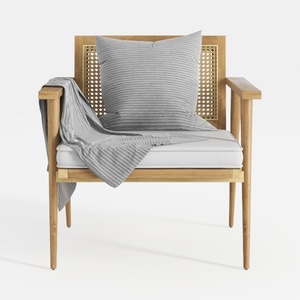
Modern Japandi Solid Wood Cane Armchair with Linen Cushion 3D Model

Minimalist Solid Wood Rattan Fluted Glass Round Coffee Table 3D Model

Japandi Solid Wood Rattan Nightstand Open Shelf Storage 3D Model
FAQ
Q: How can I prevent a tropical interior from feeling cluttered while using vibrant colors and plants?
A: Prioritize space and balance by utilizing neutral or muted base colors on larger surfaces to ground the design. Limit the number of large plants and group smaller decorative items to create focal points. Incorporate negative space intentionally to allow the eye to rest, and choose furniture with clean lines to avoid visual noise.
Q: What lighting strategies best support tropical design in rooms with limited natural light?
A: Layer various types of lighting such as warm ambient sources, focused task lights near seating, and accent uplighting to highlight plants or wall textures. Use bulbs with color temperatures around 2700K to 3000K for warmth, and consider fixtures with materials like woven rattan to diffuse light authentically.
Q: How do small design elements influence the feel of tropical interiors?
A: Small-scale decorative models provide texture and detail that enrich the sensory experience without overwhelming space. They reinforce the thematic narrative by echoing natural materials and motifs. When arranged thoughtfully, such accents add depth and cohesion, making the overall design feel intentional and immersive.
Built on technology originally developed at Autodesk, Homestyler empowers anyone to design beautiful, realistic spaces in minutes. Join over 18 million users who have already discovered a smarter way to plan, visualize, and bring their dream homes to life — all from the comfort of a browser.
Homestyler's powerful 3D rendering feature brings your design concepts to life with incredible detail.
Design jetzt kostenlos
































