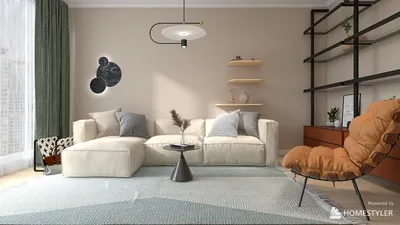


What is the most common core issue in Coastal Retreat design?
Lack of balance between natural textures and over-decoration disrupts the Coastal Retreat aesthetic.
Quick Takeaways
1. Overcrowding with nautical elements detracts from calmness. 2. Imbalanced use of blues and whites leads to monotony. 3. Ignoring texture variety flattens the space. 4. Excessive furniture breaks the airy feel. 5. Mixing unrelated styles causes visual confusion.
Introduction
When I first embraced the Coastal Retreat style, I quickly realized how easily this serene aesthetic can falter. The temptation to include every ocean-inspired accessory or saturate a room with various blues can quickly overwhelm the space. Coastal Retreat requires discipline—a nuanced understanding of restraint and balance that many underestimate. Without this, the style risks becoming cliché or chaotic rather than peaceful and inviting.
Why It Goes Wrong
Coastal Retreat designs often fail because they lean too heavily into decorative clichés, disrupting harmony and scale. The style demands a careful ratio between natural materials and color tones that evoke the coast without directly imitating it. Over-decoration, disproportionate furniture scale, and indiscriminate style blending dilute the signature airy and tranquil atmosphere that defines Coastal Retreat.
Mistake 1: Overcrowding Interiors with Nautical Accessories
**The Mistake:** Filling rooms with excessive shells, anchors, starfish motifs, and boat models creates visual clutter. **Why It Happens:** Many assume more ocean-themed decor equates to better authenticity, often from a desire to fully embrace the coastal feel. **The Fix:** Limit nautical accents to key pieces—ideally two or three per room—and opt for subtle, unique items rather than obvious clichés. Balance these with natural textures like rattan or linen to maintain serenity.
Mistake 2: Misuse of Blue and White Color Palette
**The Mistake:** Applying blue and white indiscriminately, resulting in a cold or monotonous space lacking warmth. **Why It Happens:** A straightforward link to the sea leads to over-reliance on these colors without variation. **The Fix:** Introduce gradations such as soft aqua, sandy beige, and weathered gray. Use white as a backdrop rather than dominant color to keep brightness without sterility.
Mistake 3: Neglecting Texture Diversity
**The Mistake:** Choosing smooth, glossy surfaces exclusively, which create a flat environment. **Why It Happens:** Preference for clean lines and easy maintenance can overshadow texture considerations. **The Fix:** Mix woven baskets, distressed wood, driftwood elements, and cotton fabrics to evoke natural tactile experiences that enhance the coastal vibe.
Mistake 4: Overfurnishing Space
**The Mistake:** Crowding rooms with oversized or numerous pieces disrupts the airy feel. **Why It Happens:** Desire for comfort or misjudgment of scale leads to packing the space. **The Fix:** Maintain open floor space and select streamlined furniture. Prioritize sleek silhouettes and multi-functional designs to keep a relaxed, breathable environment.
Mistake 5: Blending Conflicting Styles
**The Mistake:** Introducing Mediterranean, industrial, or boho elements that clash with Coastal Retreat's understated naturalism. **Why It Happens:** Trying to personalize or modernize can dilute the cohesive style. **The Fix:** Stick to muted tones and organic materials while limiting accent style mashups. Use coastal design principles consistently to preserve authenticity.
Designing the Look
Homestyler’s ‘Coastal Retreat’ offers a comprehensive set of ready-to-use 3D models specifically curated to embody this aesthetic, allowing designers to achieve authentic results with professional-grade textures and forms.

Minimalist Velvet Navy Blue Armchair Cozy Living Room 3D Model

Mid Century Modern Fabric Armchair with Solid Wood Legs 3D Model

Natural Woven Rattan Storage Basket Decorative Home Organizer 3D Model

Modern Blue Velvet Tufted L Shape Sectional Sofa 3D Model

Minimalist Neutral Woven Area Rug 3D Model

Modern Velvet Upholstered King Size Bed With Tufted Navy Blue Headboard 3D Model
FAQ
Q1: How do I incorporate coastal colors without making my space feel cold?
Introducing coastal colors begins with balancing blues and whites with warmer neutrals. Consider hues like sandy beige, soft taupe, and weathered wood tones to counterbalance the natural coolness of blues. Using white primarily as a backdrop while layering varied textures prevents sterility. Accessories or textiles with soft warm tones help the space feel inviting while maintaining that fresh coastal vibe.
Q2: What materials best represent the Coastal Retreat style?
The defining materials include natural fibers such as rattan, seagrass, and linen combined with weathered wood and driftwood accents. These add tactile richness and an organic feel essential to the style. Avoid synthetic glossy surfaces or overly polished elements which can feel artificial. Incorporating woven baskets, layered textiles, and raw wood furniture supports the relaxed, natural coastal aesthetic.
Q3: How can I avoid my Coastal Retreat space from looking cluttered?
Restraint is key: limit the number of decorative items and focus on quality over quantity. Choose signature pieces rather than many small nautical accessories. Keeping furniture streamlined and arranged to allow open floor space helps preserve the airy feeling. Thoughtful placement of natural elements like plants alongside soft textiles ensures a balanced environment that feels curated yet relaxed.
Homestyler's roots trace back to Autodesk, the global leader in design and engineering software. That heritage lives on in every feature we build. Today, with a community of more than 18 million users worldwide, Homestyler continues to make professional-quality interior design accessible to everyone — from first-time decorators to seasoned architects.
Homestyler supports multiple platforms, allowing you to work on your interior design anytime, anywhere.
Projete agora para LIVRE
































