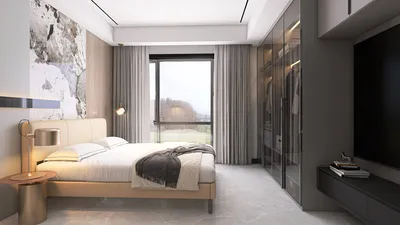


What is the most common core issue in Oriental Garden design? Overcrowding with mismatched elements.
1. Cluttered arrangements overshadow the calming nature of the style 2. Inconsistent color palettes dilute the Oriental aesthetic 3. Incorrect scale disrupts spatial harmony 4. Overuse of glossy or synthetic materials undermines authenticity 5. Mixing incongruent design influences leads to stylistic confusion
I’ve encountered numerous interior projects labeled Oriental Garden where the final results felt either overwhelming or cliched. This style, rich in cultural symbolism and nature-inspired tranquility, demands balance and subtlety. Without careful attention, however, designers often end up with spaces that feel either too dense or stylistically inconsistent. The traditions behind this style emphasize flow and harmony; ignoring these principles can easily derail the intended aesthetic.
Why It Goes Wrong
The root cause of failure in Oriental Garden design lies in misunderstanding its core visual language. Many attempt to layer too many decorative objects, expecting that an abundance of motifs equates to authenticity. However, this creates visual noise rather than serenity. Another pitfall is imbalance in proportions—oversized furniture or bright colors can overpower delicate natural themes. Finally, a blurred line between traditional Eastern elements and unrelated Western influences causes a disjointed narrative instead of a cohesive environment.
Mistake 1: Overcrowded Spaces
The Mistake: Furnishing rooms with an excess of ornamental items like statues, vases, and patterned textiles crowds the space, leaving no breathing room. Why It Happens: Enthusiasm for intricate details and symbolic objects leads people to incorporate all favorites simultaneously, neglecting spatial rhythm. The Fix: Select a limited number of statement pieces that embody key themes, and allocate negative space strategically. For example, keep 60% of surfaces clear to let visual flow and contours emerge naturally.
Mistake 2: Clashing Color Schemes
The Mistake: Combining too many saturated hues or mixing modern neon shades with traditional muted tones disrupts cohesion. Why It Happens: Confusion about which colors are authentically representative of Oriental traditions versus popular trends. The Fix: Use a grounded palette dominated by natural greens, wood browns, tranquil blues, and ivory tones. Limit secondary colors to subtle accents under 15% of the visible surfaces.
Mistake 3: Disproportionate Furnishing
The Mistake: Choosing furniture that is too large or too small for the space breaks the harmony and flow typical of an Oriental Garden setting. Why It Happens: Ignoring spatial measurements or stylistic scale guidelines when sourcing pieces. The Fix: Maintain balanced proportions. For example, low-profile seating encourages groundedness and openness. Measure the room and furnish so that at least 30-40% is left unoccupied by furniture.
Mistake 4: Synthetic or Overly Glossy Materials
The Mistake: Using plastic, acrylic, or lacquered surfaces excessively, which clash with the natural, earthy ambiance. Why It Happens: Attempting to mimic the smoothness of traditional lacquerware with cheaper modern materials. The Fix: Opt for authentic materials like bamboo, rattan, silk, and hand-finished wood. Matte finishes enhance texture and reduce harsh reflections.
Mistake 5: Style Confusion Through Mixing Influences
The Mistake: Mixing elements from Japanese Zen minimalism with Chinese imperial grandeur without clear integration leads to visual disharmony. Why It Happens: Misinterpretation that all ‘Oriental’ designs are interchangeable or recognizing only surface traits. The Fix: Conduct focused research and select one primary cultural influence. Harmonize decorative details, fabrics, and architecture within that framework rather than mixing opposing aesthetics.
Designing the Look
Homestyler’s ‘Oriental Garden’ offers a comprehensive set of ready-to-use 3D models specifically curated to embody this aesthetic, allowing designers to achieve authentic results with professional-grade textures and forms.

Minimalist Solid Wood Tabletop Art Display Stand 3D Model

Oriental Garden-handiwork 13.max

Oriental Garden-carpet 1.max

Chinese Style Solid Wood Floral Printed Room Divider Screen 3D Model


Art Deco Black Metal Brass Sculptural Floor Lamp 3D Model
FAQ
Q1: How can I create a balanced Oriental Garden interior without overcrowding?
Focus on selective placement of authentic elements with generous negative space. Prioritize quality over quantity, incorporating natural materials and serene colors to evoke calm rather than filling every corner.
Q2: What color palette best suits the Oriental Garden style?
Traditional palettes involve earthy greens, warm browns, off-whites, and subtle blues. These colors draw from nature and create a tranquil atmosphere. Avoid overly bright or synthetic tones which can feel discordant.
Q3: Are modern furniture pieces suitable for Oriental Garden design?
Modern furniture can be integrated if it respects scale and minimalism found in traditional settings. Avoid chunky or overly flashy designs. Low-profile wooden furniture with clean lines aligns well, blending heritage with contemporary comfort.
Built on technology originally developed at Autodesk, Homestyler empowers anyone to design beautiful, realistic spaces in minutes. Join over 18 million users who have already discovered a smarter way to plan, visualize, and bring their dream homes to life — all from the comfort of a browser.
Homestyler offers a vast library of furniture and decoration materials to meet all your design needs.
Design Now for FREE
































