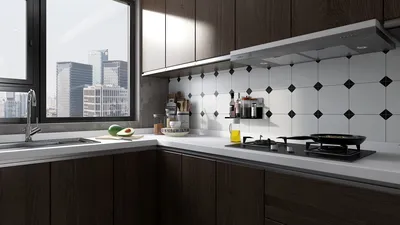


The most common core issue in Nord Style design is achieving the perfect balance between minimalism and warmth.
1. Overdecorating undermines simplicity. 2. Ignoring natural light compromises ambiance. 3. Misusing color disrupts harmony. 4. Poor material selection affects texture balance. 5. Mixing incompatible styles leads to confusion.
When I first explored Nord Style, I noticed how easily one can fall into traps that contradict its very foundation. The challenge lies in blending minimalism with comfort without tipping into cold sterility or overwhelming clutter. Avoiding these pitfalls demands both understanding and restraint, which I have learned through both success and mistakes.
Why It Goes Wrong
The essence of Nord Style rests on clarity, functionality, and serene comfort. Yet, the style often falters due to overdecoration, poor scale management, or muddled stylistic elements. This clash disrupts the clean lines and balanced atmosphere essential to its aesthetic, resulting in spaces that feel either too clinical or chaotic instead of inviting and measured.
Mistake 1: Overdecorating
The Mistake: Furnishing and accessorizing the space with too many items, cluttering surfaces and blocking sight lines. Why It Happens: Designers often equate coziness with volume of decorations, mistaking busyness for warmth. The Fix: Limit decor elements to fewer than five per room surface and prioritize function. Use clean-lined furniture pieces that emphasize open space, allowing breathing room and visual calm.
Mistake 2: Ignoring Natural Light
The Mistake: Using heavy drapes, dark window treatments, or bulky furnishings that hinder daylight penetration. Why It Happens: Fear of harsh sunlight or privacy concerns lead to over-shielded windows. The Fix: Embrace sheer or light-filtering fabrics that soften light without blocking it. Position mirrors opposite windows to amplify natural brightness, fostering the airy freshness characteristic of Nord style.
Mistake 3: Misusing Color
The Mistake: Employing overly bold or saturated hues that disrupt the neutral, muted palette. Why It Happens: A misconception that Nord Style means blandness prompts overcorrection with bright accents. The Fix: Stick to a palette dominated by whites, grays, soft blues, and pastel tones. When adding color, limit it to 10–15% of the overall scheme, applied through textiles or small accessories only.
Mistake 4: Poor Material Selection
The Mistake: Mixing glossy, synthetic materials with a natural aesthetic, causing a disjointed tactile and visual experience. Why It Happens: Cost-cutting or lack of material knowledge leads to choices that clash with the style’s organic appeal. The Fix: Prioritize natural materials such as light wood, wool, linen, and leather with matte or soft finishes. Ensure tactile variety balances with color restraint.
Mistake 5: Mixing Incompatible Styles
The Mistake: Incorporating elements from overly ornate or heavy styles like Baroque or Industrial that conflict with Nord’s simplicity. Why It Happens: Desire to personalize often overlooks coherence, leading to an eclectic yet confusing look. The Fix: Maintain stylistic clarity by selecting pieces strictly within Nord or complementary Scandinavian modern design vocabularies. Limit contrast and avoid ornamental excess.
Designing the Look
Homestyler’s ‘Nord Style’ offers a comprehensive set of ready-to-use 3D models specifically curated to embody this aesthetic, allowing designers to achieve authentic results with professional-grade textures and forms.


Modern Walnut Wood Leather Upholstered Dining Chair 3D Model

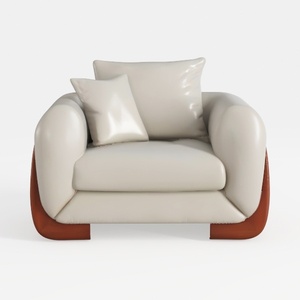
Modern Cream Leather and Walnut Wood Accent Armchair 3D Model

Minimalist Solid Wood Indoor Plant Stand 3D Model

Minimalist Light Gray Leather Channel Tufted Armchair 3D Model
FAQ
Q: How can I maintain warmth in a minimalist Nord Style interior without adding clutter?
The Nord Style balances minimalism with warmth primarily through the use of natural textures and strategic layering. Incorporating soft textiles such as wool rugs, linen cushions, and cotton throws adds tactile warmth without clutter. Light wood tones and subtle pastel accents contribute visual warmth while preserving clean lines. Avoiding excessive decorative pieces and instead focusing on quality, textured essentials maintains both the style’s aesthetic and cozy atmosphere.
Q: What color palette best suits Nord Style interiors?
A Nord Style palette favors a muted and neutral base often consisting of whites, off-whites, light grays, and pale blues. These colors create a crisp, calming backdrop. Small touches of soft pastels or natural hues such as moss green or warm beige can be introduced in textiles and accessories but should not dominate. The overall effect is one of restraint and harmony, reflecting Nordic natural landscapes and daylight conditions.
Q: Is it necessary to use only natural materials in Nord Style design?
While natural materials are strongly recommended to maintain the authentic feel of Nord Style, synthetic or engineered materials can be used if they match the texture and matte finish of natural counterparts. The goal is to keep a tactile and visual consistency that emphasizes simplicity and quality. For example, matte laminate cabinetry that mimics light wood or linen-look upholstery can be appropriate. The key is cohesiveness rather than strict material exclusivity.
Built on technology originally developed at Autodesk, Homestyler empowers anyone to design beautiful, realistic spaces in minutes. Join over 18 million users who have already discovered a smarter way to plan, visualize, and bring their dream homes to life — all from the comfort of a browser.
Leverage Homestyler's AI-powered features to quickly generate professional interior design schemes.
Zaprojektuj teraz za darmo
































