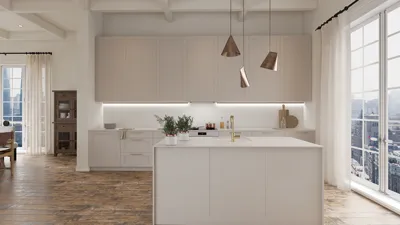


What is the most common core problem in European Home style?
Overloading spaces with ornate elements, leading to cluttered and conflicting aesthetics.
Quick Takeaways
1. Excessive ornamentation can overwhelm otherwise elegant design. 2. Ignoring proper scale disrupts spatial harmony. 3. Mixing incompatible eras creates visual discord. 4. Neglecting natural light reduces the style’s welcoming ambiance. 5. Overusing similar textures leads to flat interior experiences.
Introduction
I’ve often encountered projects where the European Home style is misinterpreted, resulting in spaces that feel disjointed or outdated. The style’s charm lies in balancing classic heritage details with modern touches, and missteps usually come from neglecting this duality. These pitfalls happen because designers either fall back on clichés or introduce too many competing elements without clear hierarchy. Understanding the style’s underlying principles empowers one to avoid these traps and achieve genuine elegance.
Why It Goes Wrong
The fundamental reason European Home interiors fail is over-decoration combined with poor spatial rhythm. Overloading rooms with intricate moldings, heavy draperies, and ornate furnishings results in visual noise. Additionally, ignoring proportion between furniture sizes and room scale causes imbalance. Lastly, confusion between classical and modern motifs often muddles the identity of the space, diluting its intended sophistication.
Mistake 1: Overusing Decorative Details
The Mistake: Rooms packed with elaborate carvings, excessive gold trims, and overly complex textiles. Why It Happens: Designers assume more ornament equals more luxury, overlooking the harmony needed. The Fix: Limit decorative features to one or two focal points per room. Combine texture and detail selectively, e.g., use classic moldings with simplified upholstery, maintaining clarity and balance.
Mistake 2: Ignoring Scale Proportions
The Mistake: Employing too large or too small furniture pieces relative to room dimensions. Why It Happens: Lack of measured planning or using favorite pieces without considering spatial context. The Fix: Measure room size and ceiling height carefully. Choose furniture scaled to at least 60-70% of wall length. Use area rugs and lighting to anchor appropriately sized groupings.
Mistake 3: Mixing Incongruent Styles
The Mistake: Combining baroque antiques with stark modern minimalism accidentally. Why It Happens: Desire to personalize but unclear understanding of stylistic boundaries. The Fix: Establish a clear style era as primary, e.g., classic French or Italian Renaissance. Support with subtle modern elements as accents, not as dominant features.
Mistake 4: Neglecting Natural Light and Color Temperature
The Mistake: Using overly dark window treatments and warm lighting that makes spaces feel heavy. Why It Happens: Emphasis on luxurious textures blinds designers to light’s influence. The Fix: Opt for sheer curtains or shutters that allow daylight diffusion. Combine warm white and natural light sources for vibrancy and comfort.
Mistake 5: Using Monotonous Textures
The Mistake: Relying heavily on repetitive materials like velvet or marble without contrast. Why It Happens: Fear of clashing or uncertain color and material coordination. The Fix: Introduce varied tactile surfaces such as wood grains, fine metals, and soft linens. This variety adds depth and interest without breaking style coherence.
Designing the Look
Homestyler’s ‘European Home’ offers a comprehensive set of ready-to-use 3D models specifically curated to embody this aesthetic, allowing designers to achieve authentic results with professional-grade textures and forms.

French Vintage Velvet Solid Wood Carved Armchair 3D Model

Vintage Carved Solid Wood Leather Armchair 3D Model
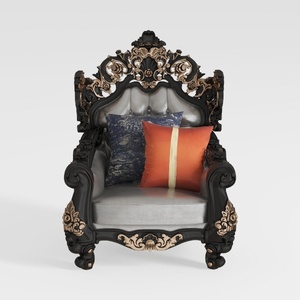
Vintage Baroque Solid Wood Leather Upholstered Armchair 3D Model

Vintage Baroque Fabric Upholstered Ornate Armchair 3D Model

French Vintage Brown Fabric White Wood Carved Armchair 3D Model

Vintage Solid Wood Two Drawer Nightstand with Carved Details 3D Model
FAQ
Q1: How can I balance modernity and tradition in European Home design?
Achieving balance involves prioritizing a dominant style while integrating subtle modern touches. For instance, choose classic furniture silhouettes but in updated fabrics or finishes. Use restrained color palettes complemented by contemporary lighting fixtures. This respects tradition without appearing outdated.
Q2: What colors best represent European Home interiors?
Neutral tones such as creams, taupes, and soft grays form the base, accented by muted blues, rich burgundies, or deep greens. These colors reflect the refinement typical of European settings and harmonize well with natural materials like wood and stone.
Q3: What role does symmetry play in this style?
Symmetry is essential to European Home interiors as it creates order and formality. Arrange furniture and décor evenly around a central axis or focal points such as fireplaces or windows. This structure enhances elegance and visual stability, avoiding chaotic layouts.
Homestyler's roots trace back to Autodesk, the global leader in design and engineering software. That heritage lives on in every feature we build. Today, with a community of more than 18 million users worldwide, Homestyler continues to make professional-quality interior design accessible to everyone — from first-time decorators to seasoned architects.
Homestyler is a professional interior design software that helps users effortlessly create their dream home.
Design Now for FREE
































