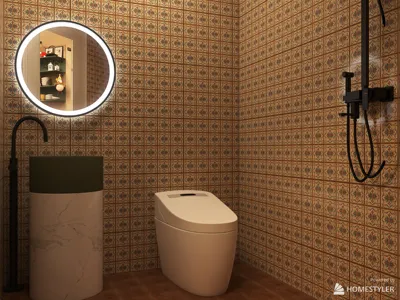


What is the most common core issue in Timeless Retro style?
Overloading spaces with mismatched retro elements that disrupt balance and coherence.
Quick Takeaways
1. Avoid cluttering rooms with too many contrasting vintage pieces. 2. Maintain proportion between retro furniture and modern accessories. 3. Limit the color palette to harmonize nostalgic hues. 4. Integrate functional modern elements without diluting the retro vibe. 5. Choose textures and materials that authentically reflect the era.
The Challenge of Timeless Retro Design
When diving into Timeless Retro interiors, it's easy to get caught up in nostalgia and lose sight of spatial harmony. The style champions vintage aesthetics paired with a forward-looking feel, but pitfalls often emerge from an uncoordinated mix of eras or overwhelming decoration. Understanding these risks is crucial because the temptation to include every quirky retro item can overshadow the refined elegance this style strives for. I have observed projects where the space feels more like a museum or storage unit than a livable home — not because of the style itself, but because of how the elements are orchestrated.
Why It Goes Wrong
The root of many Timeless Retro design issues lies in disproportion and stylistic confusion. The style demands precision in balancing vintage motifs with contemporary functionality. Over-decoration and conflicting eras create visual noise that detracts from the nostalgic yet timeless vibe. Additionally, choosing pieces without consideration for scale can disrupt the spatial flow, making rooms feel cramped or incoherent.
Mistake 1
The Mistake: Cramming too many retro furnishings into a tight area. Why It Happens: The desire to showcase vintage treasures often overrides spatial commonsense. The Fix: Limit retro elements to 3-5 key pieces per room, ensuring each has enough breathing room to shine.
Mistake 2
The Mistake: Mismatching styles from different decades without a unifying thread. Why It Happens: Confusion between mid-century modern, classic retro, and contemporary influences. The Fix: Select a specific decade or style as a foundation, then incorporate complementary accents rather than conflicting periods.
Mistake 3
The Mistake: Using an overly busy color scheme that undermines the timeless feel. Why It Happens: Enthusiasm for colorful vintage palettes leads to clashing hues. The Fix: Opt for a consistent color palette of 3-4 retro-inspired tones, incorporating neutrals to balance intensity.
Mistake 4
The Mistake: Neglecting scale, resulting in oversized or undersized retro furniture. Why It Happens: Vintage pieces are often not adapted to modern room sizes. The Fix: Measure spaces carefully and prioritize furniture that complies with room dimensions and ergonomics.
Mistake 5
The Mistake: Using retro materials that look cheap or overly synthetic. Why It Happens: Difficulty sourcing authentic textures and settling for imitations. The Fix: Invest in vintage-quality finishes such as genuine wood veneers, metal fixtures, and textiles with proper grain and color depth.
Designing the Look
Homestyler’s ‘Timeless Retro’ offers a comprehensive set of ready-to-use 3D models specifically curated to embody this aesthetic, allowing designers to achieve authentic results with professional-grade textures and forms.

French Vintage Blue Solid Wood Sideboard Cabinet 3D Model


painting-Timeless Retro

Modern Velvet Solid Wood Wingback Armchair 3D Model

Modern Metal Oak Freestanding Art Picture Display Stand 3D Model

Vintage Solid Wood Gramophone With Display Stand 3D Model
FAQ
Q: How do I blend retro and modern elements without clashing?
Balancing retro and modern requires choosing one style as the base and subtly integrating the other. Use retro furniture as focal points complemented by sleek modern lighting and accessories with clean lines. Maintaining a limited color palette helps unify the two.
Q: What colors are best for a Timeless Retro interior?
Classic retro often features warm oranges, mustard yellows, avocado greens, and muted teals. These should be balanced with neutral tones like cream, beige, or soft gray to prevent overwhelming the space. Avoid oversaturating with too many loud colors.
Q: How can I make a small room work with the retro style?
In smaller spaces, prioritize scale and functionality. Select slim-profile furniture with retro-inspired shapes. Keep decorations minimal and use mirrors or light finishes to visually expand the room. Avoid overcrowding and stick to a concise color scheme for cohesion.
Homestyler's roots trace back to Autodesk, the global leader in design and engineering software. That heritage lives on in every feature we build. Today, with a community of more than 18 million users worldwide, Homestyler continues to make professional-quality interior design accessible to everyone — from first-time decorators to seasoned architects.
With Homestyler, you can design and visualize your living spaces online with stunning, realistic results.
Design Now for FREE
































