

Conclusion
Timber Style and Scandinavian Design both embrace natural elements but diverge distinctly in texture expression, spatial openness, and emotional ambiance. While Timber Style prioritizes warm, tactile wood finishes to create cozy, rooted interiors, Scandinavian Design leans towards minimalism with light tones and airy layouts emphasizing simplicity and function. Choosing between these styles hinges on your desire for rustic warmth versus sleek modernity, as well as your tolerance for ornamentation and color palettes.
Style A Deep Dive
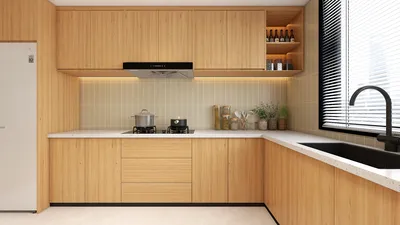
Timber Style's aesthetic signatures lie in its extensive use of rich, textured wood surfaces often left with a soft matte or natural finish to heighten organic appeal. It's suited for spaces demanding a grounded, inviting atmosphere such as living rooms, reading nooks, or dining areas where tactile engagement with materials enhances the lived experience. This style embraces imperfect wood grains, knots, and natural color variance, making each piece distinct. However, this emphasis on natural timber limits its compatibility with ultra-modern, sleek environments and may require strong maintenance to preserve wood quality.
Style B Deep Dive
Scandinavian Design employs a restrained palette dominated by whites, light greys, and muted pastels to open interiors visually, complemented by streamlined furnishings made of light wood and metal accents. Its essence is minimalism where function meets form, ideal for urban apartments or compact homes aiming to maximize perceived space and light. Textural contrast comes from textiles like wool or linen rather than heavy wood surfaces. Though versatile, pure Scandinavian schemes can feel cold or impersonal without careful inclusion of warm elements.
Head-to-Head
| Dimension | Timber Style | Scandinavian Design | |-----------------|-----------------------------------|---------------------------------| | Color Palette | Warm browns, deep ochres | Whites, light grays, pastels | | Materials | Heavily textured wood, natural finishes | Light wood, metal, soft textiles | | Spatial Feel | Cozy, intimate, grounded | Open, airy, minimal | | Target Audience| Lovers of rustic, tactile warmth | Fans of simplicity, modernity |
How to Choose
Decide based on your emotional connection to textures and space. Opt for Timber Style if you crave a tactile, enveloping environment where wood’s natural imperfections tell a story. This suits those with larger spaces or a penchant for natural materials and artisanal finishes. Choose Scandinavian Design for light-filled, functional spaces where clarity and ease of upkeep dominate; it works best in compact, urban homes with a preference for modern simplicity. Also consider maintenance and adaptation to existing architecture before committing.
Designing the Look
If Timber Style is the direction you're drawn to, Homestyler's 'Timber Style' gives you a ready-built library to start experimenting immediately — no sourcing, no scale guesswork, just design.

Modern Wood Beaded Pleated Fabric Floor Lamp 3D Model

Minimalist Solid Oak Nesting Coffee Table 3D Model

Minimalist Japandi Rattan Solid Wood Wardrobe 3D Model

Modern Minimalist Brass Acrylic Floor Lamp 3D Model

floor lamp-Timber Stlye

FAQ
Q1: What are the maintenance demands of Timber Style compared to Scandinavian Design?
The natural wood surfaces in Timber Style require regular preservation such as oiling or waxing to maintain their texture and prevent drying or cracking. Scandinavian Design, with its painted or light wood finishes and minimal use of heavy woods, generally demands less intensive upkeep, often just routine dusting and cleaning.
Q2: Can these styles be combined effectively in one interior?
Yes, blending Timber Style’s warmth with Scandinavian Design’s minimalism is possible by balancing textured wood accents within bright, open layouts. Caution is required to not overload the space visually, maintaining Scandinavian minimalism as the base with Timber Style as accent.
Q3: Which style is better for small urban apartments?
Scandinavian Design usually performs better in compact urban homes due to its emphasis on light colors, streamlined furniture, and optimized use of space. Timber Style’s heavy wood elements can overwhelm smaller areas unless carefully scaled and integrated.
Homestyler's roots trace back to Autodesk, the global leader in design and engineering software. That heritage lives on in every feature we build. Today, with a community of more than 18 million users worldwide, Homestyler continues to make professional-quality interior design accessible to everyone — from first-time decorators to seasoned architects.
With Homestyler, you can design and visualize your living spaces online with stunning, realistic results.
تصميم الآن مجانا
































