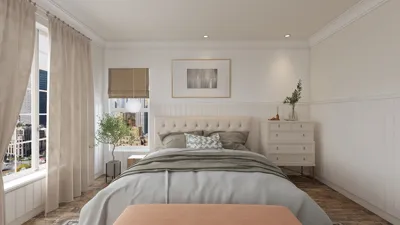


Timber Style’s core design challenge lies in harmonizing natural wood textures with modern spatial requirements without overwhelming the senses. The essence of this style demands a delicate balance between rustic authenticity and contemporary functionality. Achieving this synthesis involves embracing imperfect wood grains and tactile surfaces while maintaining clean and purposeful layouts that prevent clutter. Unlike purely minimalist interiors or heavy traditional woods, Timber Style thrives within this tension: it must celebrate organic warmth without sacrificing architectural clarity or livable scale. The visual weight of timber elements is substantial, so the spatial composition must anticipate their impact on flow and perception. Further complicating matters, the need for material variety—pairing wood with metals, fabrics, or stone—must avoid discordant contrasts that detract from the overall cohesion. Designers working in this style frequently grapple with selecting finishes and textures that resist fading into flatness while avoiding over-decoration. Layering surfaces and colors in complementary tones calls for careful forethought to prevent visual fatigue. In sum, Timber Style challenges interior designers to simultaneously honor nature’s irregularities and today’s demands for streamlined utility, requiring an intuitive eye for form, proportion, and texture integration.
Step 1: Spatial Balance and Furniture Placement
Establishing spatial balance when working with Timber Style requires a nuanced understanding of how timber’s density influences the perception of space. Begin by mapping out the room’s dimensions and identifying natural light sources to inform furniture scale and positioning. Prioritize low-profile, solid wood pieces that echo the style’s rustic roots but don’t overwhelm the room’s footprint. Positioning larger furniture items—like chunky walnut dining tables or oak sideboards—against longer walls helps anchor the space without interrupting circulation. Avoid clustering heavy timber furnishings close together; instead, stagger them with lighter materials such as linen sofas or metal-accented chairs to sustain visual openness. When placing seating areas, use modular arrangements that encourage conversation but respect the room's natural flow. Opt for furniture with tapered legs or subtle curves; this reduces the visual bulk timber can introduce. Also, consider the ceiling height—tall rooms accommodate vertical wood paneling or exposed beams comfortably, while lower ceilings benefit from horizontal grain orientations to elongate rather than compress space. Rugs in natural fibers can soften transitions between wood furniture and flooring, grounding areas without competing for attention. To maximize spatial harmony, avoid symmetrical mirroring of chunky elements; asymmetry in placement often delivers a more inviting and organic feel that aligns perfectly with Timber Style’s authenticity.
Step 2: Light and Color Strategy
The interplay of light and color in Timber Style interiors is essential to evoke the warmth of natural wood while enhancing spatial comfort. Begin with a base palette dominated by earthy tones such as honey, chestnut, and muted ocher which reflect timber’s organic hues. Walls painted in soft off-whites, greys, or warm taupes provide a subtle backdrop against which timber elements resonate. Introduce light strategically to enrich the depth and texture of wood surfaces; natural daylight is ideal, so windows should remain unobstructed where possible. Supplement with warm-toned artificial lights—such as LED bulbs in the 2700K range—to maintain ambiance consistency. Layer lighting sources: combine overhead fixtures, wall sconces, and task lamps that complement timber’s rustic character while avoiding harsh glare. Fixtures composed of wrought iron, aged brass, or matte black finishes integrate well with timber elements. Using directional lighting can accentuate wood grain patterns and architectural details like beams or built-in cabinetry. To balance darker woods, incorporate reflective surfaces such as glass or polished metals subtly, to bounce light and prevent heaviness. Avoid stark whites and bright primary colors which disrupt Timber Style’s naturalistic feel; instead, adapt warm neutrals, soft moss greens, and deep blues for accent walls or decor. This meticulous coordination of color and light transforms the wood-centered scheme from flat to vibrant without losing its tactile appeal.
Step 3: Refined Decorative Elements
Fine details distinguish authentic Timber Style interiors from generic wood-inspired designs. Small-scale models spark sensory intrigue, providing texture contrasts and visual relief within rooms. Selecting handcrafted ceramic vases, woven baskets, or leather-bound books complements timber’s raw character while layering complexity. When curating accessories, gravitate towards hues and materials found within the broader palette—subdued ochres, rusted iron, deep greens—to maintain cohesion. Incorporate organic textiles like wool throws, linen cushions, and jute rugs to soften timber’s solidity with tactile warmth. Introduce sculptural elements: a curved wooden bowl, driftwood sculptures, or hand-carved figurines subtly reinforce the style’s artisanal ethos. Emphasize natural imperfections such as knots, grain variations, and hand-tool marks, celebrating craftsmanship over uniformity. Incorporate greenery with potted plants featuring textured leaves or trailing vines to inject life and natural vibrancy. Gallery walls with framed botanical prints or abstract art works in muted tone-on-tone palettes offer dimension without visual noise. Overall, decorative choices should invite touch and curiosity, elevating the timber narrative while forbidding a sense of overdecoration or forced minimalism.
Designing the Look
"For designers working in Homestyler, the Timber Style is a practical shortcut to authenticity. it removes the guesswork from sourcing — every piece is pre-matched in scale, material, and proportion to deliver a coherent timber-inspired result."

Modern Wood Beaded Pleated Fabric Floor Lamp 3D Model

Minimalist Solid Oak Nesting Coffee Table 3D Model

Minimalist Japandi Rattan Solid Wood Wardrobe 3D Model

Modern Minimalist Brass Acrylic Floor Lamp 3D Model

floor lamp-Timber Stlye

FAQ
Q1: How can I prevent Timber Style interiors from feeling too heavy or dark?
A1: Mitigate heaviness by incorporating lighter wall colors such as warm neutrals or soft greys to contrast timber’s richness. Use multiple layers of lighting to brighten shadowed corners, and select furniture with raised legs or slender profiles to reduce visual bulk. Adding reflective accents—like glass vases or polished metals—and interspersing natural textiles will also break up monotony and inject airiness.
Q2: What materials pair best with timber to maintain harmony without losing style integrity?
A2: Complement timber with natural materials like linen, wool, leather, and stone that contribute texture without overshadowing wood’s character. Metal accents in wrought iron or aged brass integrate seamlessly, while greenery adds organic freshness. Avoid synthetic plastics or overly bright fabrics that detract from timber's handcrafted feel.
Q3: How should I approach furniture arrangement in a small Timber Style space?
A3: Prioritize multifunctional and scaled-down timber pieces that serve both storage and seating needs. Keep pathways clear by avoiding overcrowding and leverage vertical space with open shelving. Use light-colored textiles and mirrors to visually expand the room, and anchor areas with soft rugs to define zones without heavy spatial divisions.
Built on technology originally developed at Autodesk, Homestyler empowers anyone to design beautiful, realistic spaces in minutes. Join over 18 million users who have already discovered a smarter way to plan, visualize, and bring their dream homes to life — all from the comfort of a browser.
Homestyler supports multiple platforms, allowing you to work on your interior design anytime, anywhere.
Zaprojektuj teraz za darmo
































