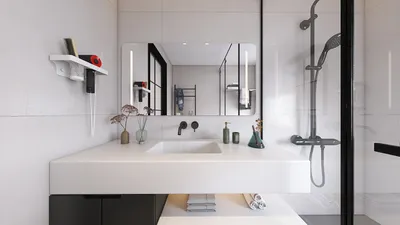


What is the most common core issue in Serene Japanese interior design?
Over-cluttering disrupts the signature simplicity and harmony of Serene Japanese spaces.
Quick Takeaways
1. Minimalism must avoid becoming emptiness. 2. Incorporate natural textures to maintain warmth. 3. Scale furniture proportionally to space. 4. Balance traditional elements with modern functionality. 5. Use a restrained color palette centered on neutrals.
The Pitfalls of Serene Japanese Style Design
I’ve seen many projects struggle because Serene Japanese style demands a delicate balance between minimalism and natural warmth. Designers often swing too far into either stark simplicity or excessive decoration, losing the subtle harmony that defines this aesthetic.
Why It Goes Wrong
One core reason Serene Japanese interiors fail is a misunderstanding of its restraint principles. Cluttered spaces contradict the style’s emphasis on emptiness turning into meaningful presence. Another root cause is ignoring scale harmony, which leads to discord between furniture size and room dimensions. Lastly, mixing incompatible styles dilutes the subtle cultural references that Serene Japanese design relies on for authenticity.
Mistake 1: Overuse of Ornate Decoration
The Mistake: Filling rooms with too many decorative objects, intricate patterns, or flashy materials that compete visually. Why It Happens: Designers try to express character but forget that Serene Japanese spaces value quiet presence over loud accents. The Fix: Limit decorative items to those with cultural or natural significance. Choose textures and patterns sparingly to maintain calmness. For example, restrict visible décor surfaces to under 15% of the room’s total visual field.
Mistake 2: Neglecting Natural Materials
The Mistake: Using synthetic materials with artificial finishes that disrupt the natural ambiance. Why It Happens: Cost or convenience tempt designers to substitute real wood, bamboo, or linen with plastic alternatives. The Fix: Balance aesthetics and budget through mixed sourcing. Prioritize real wood flooring and accents at minimum. Use fabrics with organic textures. This approach improves authenticity and tactile warmth indispensable to the style.
Mistake 3: Improper Furniture Scale
The Mistake: Choosing furniture pieces that are either oversized or too small, creating spatial imbalance. Why It Happens: Designers lack dimensional planning or resort to standard furniture sizes without adaptation. The Fix: Follow a scale ratio where furniture occupies no more than 40% of floor area. Use low-profile seating and modular units that encourage open flow and unobstructed sightlines.
Mistake 4: Confusing Style Elements
The Mistake: Mixing unrelated design influences such as ornate Western baroque or industrial clutter with Serene Japanese minimalism. Why It Happens: Aesthetic trends mislead designers to fuse multiple motifs without considering harmony. The Fix: Adhere strictly to Japanese-inspired elements like shoji screens, tatami mats, simple geometric forms, and earthy colors to maintain stylistic clarity.
Mistake 5: Misusing Colour Palette
The Mistake: Introducing bright, saturated hues that clash with the subdued natural tones typical of Serene Japanese design. Why It Happens: Desire for visual excitement prompts use of bold colors which disrupt the mood. The Fix: Opt for neutral tones such as beige, soft grays, muted greens, and light browns. Use accent colors only minimally within a 10% range of total color coverage.
Designing the Look
Homestyler’s ‘Serene Japanese’ offers a comprehensive set of ready-to-use 3D models specifically curated to embody this aesthetic, allowing designers to achieve authentic results with professional-grade textures and forms.

Mid-Century Solid Wood Nightstand with Decorative Backrest 3D Model

Minimalist Solid Wood Cane Boucle Fabric Dining Armchair 3D Model

Rustic Solid Wood Natural Branch Display Shelf 3D Model

Minimalist Ceramic Potted Pine Branch Decor 3D Model
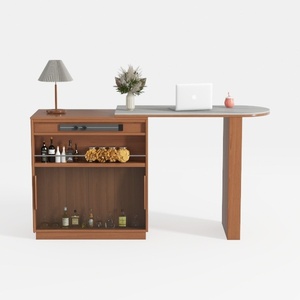
Modern Solid Wood Marble Top Multi functional Bar Cabinet Desk 3D Model

Mid Century Walnut Rattan 4 Drawer Dresser Cabinet 3D Model
FAQ
Q1: How can I make a small room feel more Serene Japanese in style?
Maximize open space by using low-profile furniture and neutral colors. Incorporate natural materials like wood and bamboo, and avoid cluttering surfaces with too many objects. Use sliding shoji screens instead of doors to increase light flow and spatial continuity.
Q2: What are key materials to prioritize in a Serene Japanese interior?
Prioritize authentic natural materials such as unfinished wood, rice paper for partitions, bamboo, linen or cotton textiles, and stone accent pieces. These elements create the tactile warmth and visual calm that underpin the style's spiritual and minimal ethos.
Q3: How do I balance modern functionality with traditional Serene Japanese aesthetics?
Integrate modern necessities discreetly by choosing minimalist designs with simple lines and natural finishes. Conceal technology within furniture or cabinetry and maintain clear surface areas. Use multi-functional furniture to reduce clutter and preserve serenity without sacrificing utility.
What began as an Autodesk innovation has evolved into a design platform used by more than 18 million people around the globe. Homestyler combines powerful rendering, an intuitive editor, and a vast furniture library to help you turn inspiration into photorealistic designs — whether you're redesigning a single room or planning an entire home.
Homestyler offers a vast library of furniture and decoration materials to meet all your design needs.
Design Now for FREE
































