

Introduction
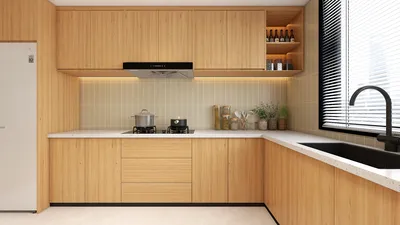
Serene Japanese design embraces a philosophy rooted deeply in simplicity, tranquility, and an appreciation for natural beauty. This aesthetic originates from traditional Japanese cultural values emphasizing harmony between human-made environments and nature. It rejects excess and distraction, instead focusing on calmness, balance, and understated elegance. The core of this approach is intentional living—every element that populates a space serves a meaningful purpose and resonates with subtle beauty, rather than overt decoration. Such principles derive from influences like Zen Buddhism, wabi-sabi, and the concept of ma (negative space), which together create atmospheres that evoke peace and mindful presence. The Serene Japanese style harnesses this philosophy through meticulous attention to simplicity, natural textures, and spatial balance, cultivating interiors that breathe calm into everyday life.
Core Elements
Color Palette: The Serene Japanese style is characterized by a restrained yet purposeful color palette that reflects natural elements and soft light. Neutral tones such as warm whites, gentle beiges, muted greys, and soft browns dominate the scheme, creating a tranquil backdrop that invites relaxation. Occasionally, subdued accents inspired by nature appear—such as moss greens, quiet blues, or the dusty rose of flowering cherry blossoms—offering subtle contrast without overwhelming the senses. This careful control of color minimizes visual noise and fosters a sense of spaciousness and clarity within the interior. The restrained palette is a direct translation of nature’s own gentle hues, supporting the style’s philosophical preference for balance and minimal distraction.
Materiality: Natural and tactile materials are fundamental in cultivating the authentic ambiance of the Serene Japanese style. Wood plays a pivotal role—particularly light-toned timbers like cypress, cedar, or bamboo—bringing organic warmth and rhythm to flooring, wall panels, and furniture. Complementing wood, textured textiles such as linen, silk, and cotton feature prominently to provide softness while maintaining simplicity. Stone elements in muted shades ground spaces with an elemental connection to earth, often expressed subtly in tiles or countertops. Paper-like textures, derived from shoji screens or washi lamps, diffuse light gently, enhancing the mood of calm and poise. This emphasis on raw, enduring materials fosters profound tactile experiences that heighten sensory awareness and reflect the wabi-sabi sentiment of embracing imperfection and natural aging.
Form and Shape: The geometric language in Serene Japanese interiors balances minimalism with delicate craftsmanship. Clean, straight lines define furniture and architectural elements, promoting clarity and order without rigidity. Simultaneously, organic curves inspired by natural forms like stones and flowing water introduce softness and fluidity to the composition. This interplay between angularity and rounded edges creates spaces that feel composed yet inviting. Furnishings tend to be low-profile with simple silhouettes, encouraging unobstructed sightlines and a horizontal spatial flow. Negative space or 'ma' is deliberately preserved to prevent overcrowding, allowing each piece to breathe and maintain visual prominence. Such precise yet gentle form language supports the overarching ethos of calm functionality and mindful appreciation.
Designing the Look
Homestyler’s ‘Serene Japanese’ offers a comprehensive set of ready-to-use 3D models specifically curated to embody this aesthetic, allowing designers to achieve authentic results with professional-grade textures and forms. This model pack is an invaluable resource for interior designers aiming to integrate Serene Japanese elements seamlessly into their projects. The models include refined minimal furniture, textured natural materials, and light-diffusing screens, all meticulously crafted to represent the style’s core principles accurately. Using these assets enables designers to visualize spatial harmony and subtle contrast effectively, presenting clients a realistic sense of calm sophistication before implementation. Beyond technical benefits, employing these models fosters a deeper exploration of the style’s philosophical roots, encouraging thoughtful selection over decorative excess. Designers can experiment with textures and materials to balance warmth with simplicity or adjust form proportions to maximize negative space. The pack’s versatility supports both residential and commercial interiors seeking tranquility through design. Its precision and aesthetic coherence speed up workflow and elevate design storytelling by underlining the cultural narrative embedded in Serene Japanese concepts. Ultimately, these tools transform conceptual ideas into tangible environments that resonate authentically with users craving understated elegance and mindful living.

Mid-Century Solid Wood Nightstand with Decorative Backrest 3D Model

Minimalist Solid Wood Cane Boucle Fabric Dining Armchair 3D Model

Rustic Solid Wood Natural Branch Display Shelf 3D Model

Minimalist Ceramic Potted Pine Branch Decor 3D Model
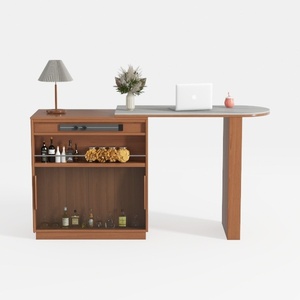
Modern Solid Wood Marble Top Multi functional Bar Cabinet Desk 3D Model

Mid Century Walnut Rattan 4 Drawer Dresser Cabinet 3D Model
FAQ
Q: How does the Serene Japanese style differ from other minimalist design trends?
While all minimalist styles emphasize simplicity, the Serene Japanese style integrates traditional cultural philosophies such as wabi-sabi and ma, focusing on natural imperfection, spiritual calm, and a respectful dialogue with nature. Unlike cold or sterile minimalism, it blends warmth through natural materials and subtle textures, creating spaces that are both functional and meditative.
Q: What are key considerations when selecting materials for a Serene Japanese interior?
Prioritize natural, sustainable materials like lightly finished wood, organic textiles, and stone in muted colors. Materials should evoke tactile richness without ornamentation, embracing natural imperfections and aging. The goal is to maintain simplicity but encourage sensory appreciation and environmental harmony.
Q: Can Serene Japanese design principles be applied in small living spaces?
Absolutely. The style’s emphasis on negative space, multifunctional low-profile furniture, and subtle visual layering can make small spaces feel open and calm rather than cluttered. Carefully curated objects with deliberate placement enhance spatial flow and allow rooms to breathe, helping even compact interiors to embody tranquility.
Homestyler's roots trace back to Autodesk, the global leader in design and engineering software. That heritage lives on in every feature we build. Today, with a community of more than 18 million users worldwide, Homestyler continues to make professional-quality interior design accessible to everyone — from first-time decorators to seasoned architects.
Homestyler offers a vast library of furniture and decoration materials to meet all your design needs.
Projete agora para LIVRE
































