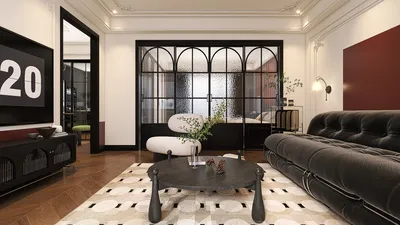


Serene Japanese design embodies a harmonious balance between minimalism and natural warmth, yet its most significant challenge lies in achieving this equilibrium without sacrificing comfort or functionality. The core aesthetic tension arises from integrating the austere simplicity of traditional Japanese elements with the subtly textured layers that invite intimacy and ease. To succeed requires a meticulous curation of space, materiality, and detail that honors both the spiritual calm of Zen philosophy and the everyday realities of modern living. Unlike other minimalist styles, Serene Japanese demands an orchestration of contrasts: stark versus soft, rigid wood finishes versus delicate textiles, open layouts versus purposeful partitions. Navigating these dualities mandates precision — every piece must not only resonate with cultural authenticity but also serve practical demands. This style defies maximalism through restraint but resists coldness by embracing natural hues and gentle light. Designers must negotiate how to incorporate key motifs such as tatami mats, shoji screens, and recessed niches alongside contemporary furniture that meets ergonomic expectations without disrupting the overall visual poetry. The challenge extends beyond mere arrangement to sourcing materials that provide tactile depth and subtle variance while remaining unified in tone. Layering natural fibers, balanced wood tones, and handmade ceramics simultaneously enhances texture and reinforces the narrative of tranquility and balance. Equally crucial is avoiding ornamental excess, as the power of this aesthetic rests on understated details that communicate refinement and respect for nature’s impermanence. Achieving this equilibrium is the defining conundrum — where simplicity transcends minimalism to embody an elevated lifestyle that feels both timeless and current. Ultimately, the success of Serene Japanese interior design depends on the ability to translate a nuanced cultural philosophy into tangible spatial language that breathes calm, clarity, and a profound sense of place.
Step 1: Layout Logic — Space Proportion and Furniture Placement
The foundation of Serene Japanese interiors is spatial harmony achieved through careful proportion and functional arrangement. Begin by dividing the space into clearly defined but fluid zones without heavy physical barriers to ensure openness. Prioritize low-profile furniture that respects the horizontal plane, such as platform beds and low sofas, which reflect traditional Japanese aesthetics and maintain sightlines. Measuring the room precisely to select appropriately scaled furniture is essential; oversized pieces disrupt the intended balance and create visual noise. Use tatami mat proportions as a modular reference point, aligning furniture placement accordingly to preserve rhythm and regularity. Arrange seating to face key focal points like a fireplace, garden view, or an art piece to foster contemplation and social connection. Avoid clutter by limiting furniture to necessary essentials, ensuring each item holds value in function and form. Incorporate multifunctional pieces such as storage benches or sliding doors to maximize usable space and maintain clean lines. Additionally, consider how pathways traverse the room to promote flow and avoid obstruction. Integrate natural elements such as indoor plants or bonsai subtly positioned to complement rather than dominate the layout. Balance symmetry with asymmetry to reflect wabi-sabi principles: perfect imperfection that introduces character while maintaining order. Lastly, respect ceiling height when selecting furniture to either emphasize airiness or create coziness, adapting the spatial volume without compromising openness.
Step 2: Light and Color — Tone Selection and Light Source Coordination
Lighting in Serene Japanese design is deliberate yet understated, emphasizing softness that evokes natural daylight while enhancing warmth. Choose warm white LEDs or diffused paper lantern-style fixtures that mimic shoji screen translucency to establish calming atmospheres. Layer lighting by combining ambient, task, and accent sources—floor lamps with rice paper shades can provide ambient glow, while directional spotlights highlight artisanal decor. Avoid harsh overhead fluorescent or cold lighting that disrupts the visual serenity. Opt for daylight bulbs with a color temperature around 2700K to 3000K to maintain organic warmth. The palette favors neutral earth tones: muted beiges, soft taupes, creamy whites, and gentle greys, offset by natural wood grain hues. Inject subtle color through textiles like cushions or tatami edges in sage green or dusty rose to add depth without overpowering the scene. Consider the quality of natural light by orienting windows to maximize indirect sunlight, using translucent curtains that filter glare and soften intensity. Reflective surfaces such as polished wood or lacquer can amplify light subtly but must be balanced to avoid glare. Shadows play a significant part in the composition; allow gentle gradients created by light filtering through shoji or bamboo blinds to animate the space thoughtfully. The integration between daylight and artificial light control underscores the fluidity and calm that defines the style’s ambiance.
Step 3: Signature Decor — Enhancing Texture and Atmosphere via Small Models
The smallest elements often wield the greatest influence in Serene Japanese interiors, acting as focal points that weave cultural storytelling and tactile richness into the fabric of a room. Introduce classic motifs such as handcrafted ceramics, ikebana floral arrangements, or sumi-e ink paintings to root the space authentically. These pieces should be curated sparingly and staged in dedicated display alcoves (“tokonoma”) or atop low shelves to command presence without clutter. Incorporate natural textures like woven bamboo baskets, mulberry paper lampshades, or linen cushions with subtle weave patterns that invite touch and visual interest. Consider using stone accents—smooth river stones or small bonsai pots—that contribute groundedness and connect interior to exterior. Small furniture items like a lacquered tray or wooden tea set can double as utilitarian decor and conversation starters, reinforcing lifestyle narratives. Crucially, less is more: each object must earn its place by contributing meaning or balancing materials in contrast or complement. Avoid plastic or synthetic looking accessories that betray the intent of natural authenticity. For textiles, prefer hand-dyed fabrics or those woven with irregularities that celebrate imperfection and craftsmanship. These layered textures deepen the sensory experience of the room, creating spaces that feel lived-in yet meticulously composed. Every detail speaks to a philosophy of quiet reverence, patience, and a deep connection between the environment and its inhabitants.
Designing the Look
For designers working in Homestyler, the Serene Japanese is a practical shortcut to authenticity. It removes the guesswork from sourcing — every piece is pre-matched in scale, material, and proportion to deliver a coherent Serene Japanese result.

Mid-Century Solid Wood Nightstand with Decorative Backrest 3D Model

Minimalist Solid Wood Cane Boucle Fabric Dining Armchair 3D Model

Rustic Solid Wood Natural Branch Display Shelf 3D Model

Minimalist Ceramic Potted Pine Branch Decor 3D Model
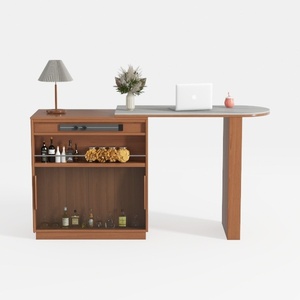
Modern Solid Wood Marble Top Multi functional Bar Cabinet Desk 3D Model

Mid Century Walnut Rattan 4 Drawer Dresser Cabinet 3D Model
FAQ
Q: How can I blend traditional Japanese elements with modern furniture without losing the style’s essence?
A: Focus on maintaining the palette and material consistency. Choose modern furniture with clean lines and low profiles in natural wood tones to complement traditional elements such as tatami mats or shoji screens. Avoid ornate embellishments and emphasize simplicity and function. Use subtle accents—such as cushions or ceramic accessories—that reference Japanese craftsmanship to unite the styles cohesively.
Q: What are the best lighting solutions to replicate the softness of natural light indoors?
A: Layer light sources by combining warm ambient lighting from paper lantern lamps or diffused ceiling fixtures with task lighting such as directional spots or adjustable reading lamps. Integrate dimmer switches to allow control of intensity. Choose bulbs with color temperatures in the 2700K–3000K range, and use sheer curtains or shoji screens to diffuse incoming daylight gently.
Q: How do I ensure minimalism does not translate into coldness in a Serene Japanese space?
A: Incorporate tactile natural materials like woven textiles, bamboo, wool, and ceramics to add warmth and sensory depth. Include asymmetrical and imperfect elements that reflect wabi-sabi aesthetics. Layer textures carefully and use warm, earthy color palettes to balance minimalism with inviting softness.
Built on technology originally developed at Autodesk, Homestyler empowers anyone to design beautiful, realistic spaces in minutes. Join over 18 million users who have already discovered a smarter way to plan, visualize, and bring their dream homes to life — all from the comfort of a browser.
Homestyler has millions of users worldwide, making it one of the most popular online home design platforms.
Zaprojektuj teraz za darmo
































