


Conclusion
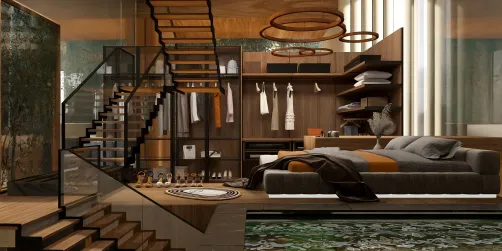
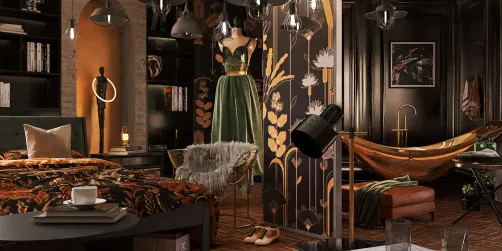
Scandinavian and Mid-Century Modern styles represent two iconic approaches to interior design, each with distinct philosophies despite some overlapping aesthetics. Scandinavian design prioritizes minimalist functionality, natural light, and muted palettes to create calming environments. Mid-Century Modern embraces organic shapes, warm wood tones, and graphic accents, lending a more dynamic, retro feel. Choosing between them hinges on whether you prefer understated simplicity or mid-century nostalgia infused with boldness.
Style A Deep Dive
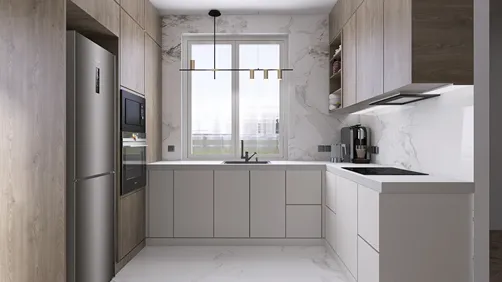
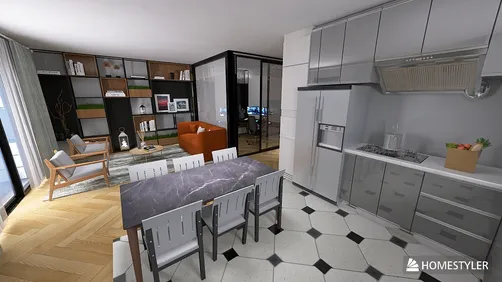
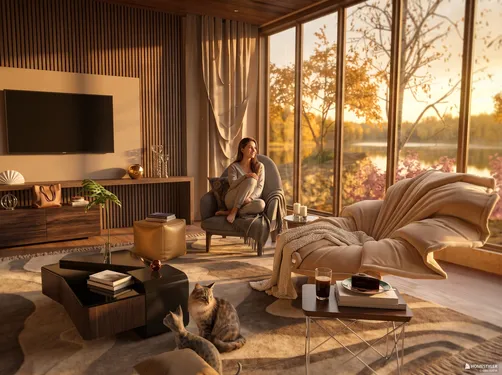
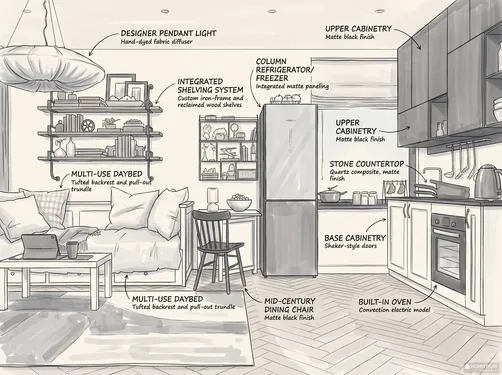
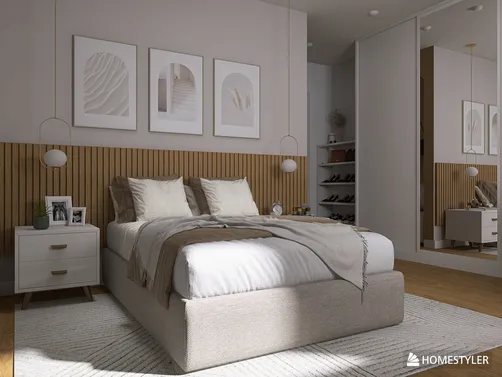
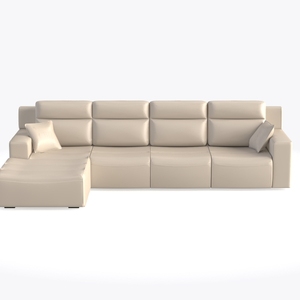
Scandinavian Furniture epitomizes functionality infused with simplicity and elegance. Originating in the Nordic countries, this style relies on clean lines, light wood tones such as birch or pine, and pale, neutral color schemes to maximize natural light and create an airy atmosphere. Its essence lies in practical details that balance aesthetics with comfort, offering multi-functional furnishings that suit compact living. Rooms often feature uncluttered layouts and natural textiles like linen and cotton. However, its minimalism may feel stark in larger spaces unless softened with rugs and plants.
Style B Deep Dive
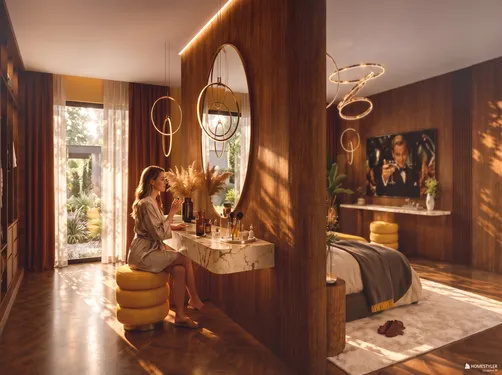
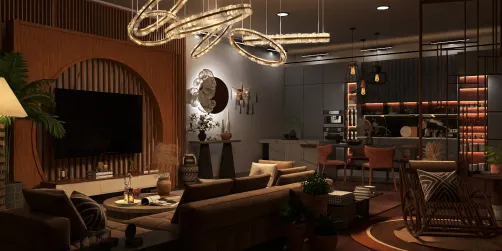
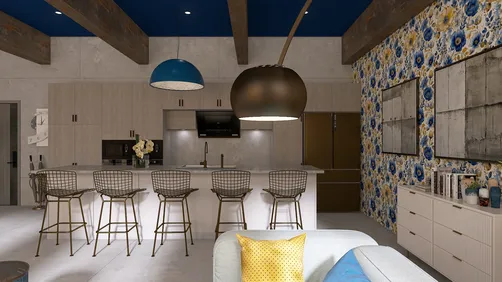
Mid-Century Modern design emerged in the mid-20th century and remains a beloved style for its organic curves, mixed materials, and a strong nod to futuristic optimism. Characteristically, this style blends wood (often teak or walnut) with metal and plastic elements, incorporating vivid accent colors like mustard yellow or teal. Its furniture pieces are often sculptural, featuring tapered legs and geometric forms. The approach works well in open floor plans and emphasizes a connection between indoor and outdoor spaces. Drawbacks may include challenges in integrating with highly contemporary environments without deliberate curation.
Head-to-Head
Color-wise, Scandinavian spaces favor a restrained palette dominated by whites, greys, and soft pastels, fostering a calm and neutral backdrop that highlights textures and form over color. Mid-Century Modern introduces stronger, saturated colors alongside warm wood to create vibrant focal points within a room. Material selection in Scandinavian style is predominantly natural wood and textiles, aiming for sustainability and tactility. Mid-Century incorporates a wider material contrast, notably wood combined with molded plastics and metals for visual intrigue. Concerning spatial experience, Scandinavian interiors feel spacious and light, designed to enhance daylight through minimal decor and reflective surfaces. Mid-Century spaces feel more intimate and composed, mixing openness with defined zones shaped by iconic furniture. Regarding intended user lifestyle, Scandinavian design suits those who crave simplicity, tranquility, and multifunctional living in smaller spaces or apartments. Mid-Century Modern appeals to individuals drawn to nostalgic yet sophisticated retro elements and who often entertain or appreciate design history.
How to Choose
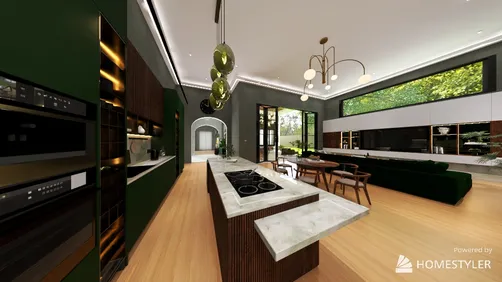
Choose Scandinavian Furniture if your design priority is maximizing natural light and creating a peaceful sanctuary with minimalist principles that work well in compact or challenging layouts. Opt for materials and color hues that invite calm and softness. To counter potential coldness, introduce plants and warm textiles. Select Mid-Century Modern style if you are looking for bold forms and a warm, inviting palette that makes a statement while preserving comfort. This style works beautifully in homes with generous square footage and natural access to outdoor spaces or where vintage pieces can be proudly displayed. Balance its richness with minimalist accessories to avoid clutter. For a fusion approach, layering Mid-Century accent pieces within a Scandinavian-inspired room can yield a sophisticated, personalized environment.
Designing the Look
If Scandinavian Furniture is the direction you're drawn to, Homestyler's 'Scandinavian Furniture' gives you a ready-built library to start experimenting immediately — no sourcing, no scale guesswork, just design.




FAQ
Q1: How do Scandinavian and Mid-Century Modern styles differ in their approach to color?
Scandinavian design prefers pale, muted palettes emphasizing light and airiness, whereas Mid-Century Modern embraces warmer, richer colors combined with natural wood to create vibrant contrasts.
Q2: Can Scandinavian and Mid-Century Modern furnishings be mixed in one space?
Yes. Combining key Mid-Century Modern accent pieces within a predominantly Scandinavian setting can create a balanced aesthetic that feels both timeless and inviting, provided clutter is avoided.
Q3: Which style is better for small apartments?
Scandinavian design is generally better suited for small apartments due to its minimalist, light-enhancing features and multi-functional furniture, while Mid-Century Modern tends to be more effective in larger or open floor plans.
What began as an Autodesk innovation has evolved into a design platform used by more than 20+ million registered users (platform data, 2026) around the globe. Homestyler combines powerful rendering, an intuitive editor, and a vast furniture library to help you turn inspiration into photorealistic designs — whether you're redesigning a single room or planning an entire home.
With Homestyler, you can design and visualize your living spaces online with stunning, realistic results.
지금 무료로 디자인하세요