


Introduction
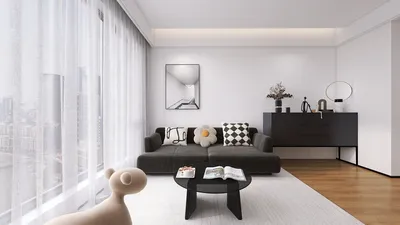
Scandinavian furniture embodies a design philosophy born from the Nordic countries that values simplicity, functionality, and a deep connection to nature. This approach arose as a response to harsh climates and limited daylight, inspiring designers to create interiors that feel light, inviting, and practical. Instead of excessive ornamentation, the focus lies on clean lines and uncluttered spaces, allowing for mental clarity and physical comfort. The aesthetic blends a modernist eye with traditional crafts, balancing minimalist forms with warmth and tactility. Natural light, understated elegance, and functional beauty are the cornerstones from which this style draws its timeless appeal and lasting relevance.
Core Elements
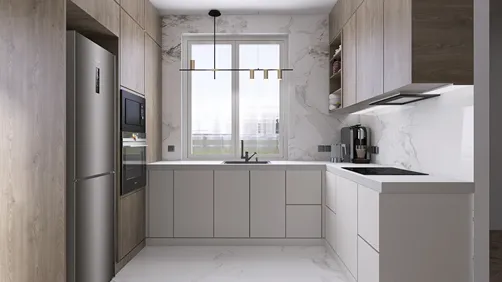
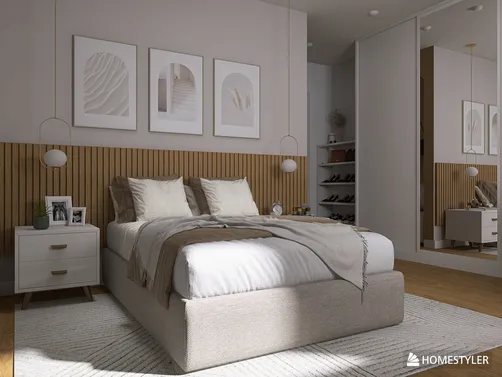
Colors in Scandinavian furniture are deliberately restrained yet deeply evocative. The palette typically features soft whites, muted grays, cool blues, and warm beige tones, all of which mimic the subdued Nordic landscape. These hues create a soothing visual backdrop that maximizes the effect of natural light, making spaces feel airy and expansive. Occasionally, subtle pops of darker colors like deep charcoal or forest green are introduced to add depth and contrast without disrupting the calm mood. This thoughtful use of color turns interiors into serene sanctuaries that invite relaxation and focus.
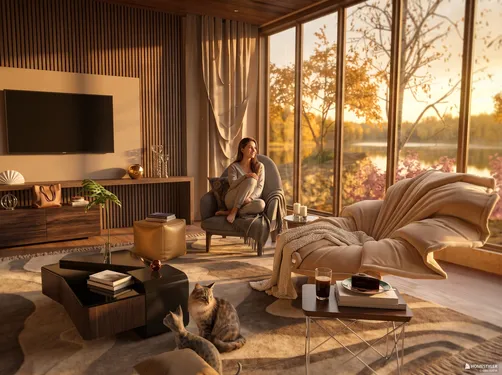
Materiality defines Scandinavian furniture’s tactile and visual qualities. Emphasis on natural materials such as light-toned woods like pine, birch, and ash reinforces the connection to nature and sustainability. These woods are often left with visible grain and smooth finishes to highlight authenticity. Additionally, textures from wool, linen, and leather provide complementary softness that balances the rigid geometry of the pieces. The marriage of organic materials with meticulous craftsmanship ensures objects that are both durable and aesthetically honest, reflecting a respect for environment and heritage.
Form in Scandinavian furniture prioritizes clean, geometric lines that deliver functional clarity. Shapes tend toward simplicity and practicality without sacrificing style. Chairs, tables, and cabinets often feature slender legs and gentle curves that emphasize both lightness and structural integrity. Rounded edges soften the overall look, offering comfort and approachability. The avoidance of excessive ornamentation lets the essential design logic shine through, emphasizing how each piece’s shape supports its intended use. This balance of form and function highlights a design culture that values purposeful minimalism above all.
Designing the Look
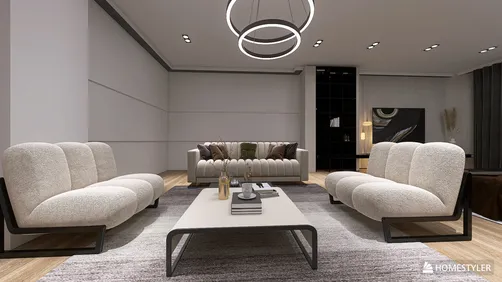
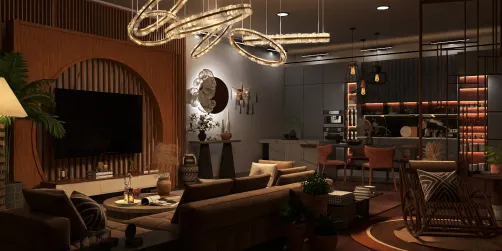
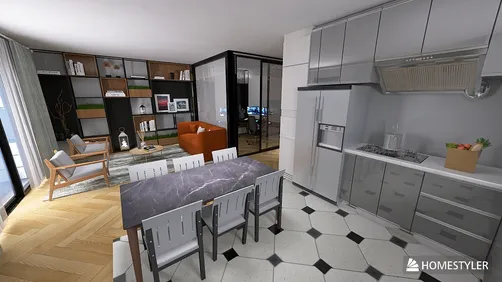
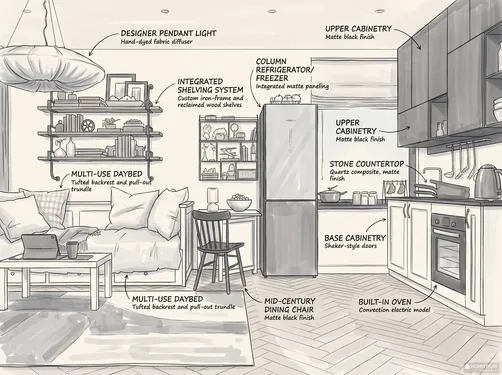
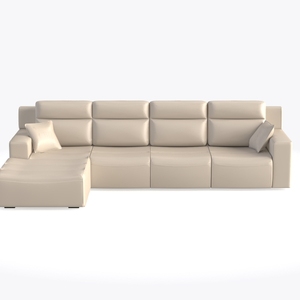
Homestyler’s ‘Scandinavian Furniture’ offers a comprehensive set of ready-to-use 3D models specifically curated to embody this aesthetic, allowing designers to achieve authentic results with professional-grade textures and forms. These models cover a diverse range of typical Scandinavian pieces—from sleek dining chairs and modular sofas to functional storage units and minimalist coffee tables. Utilizing these assets enables interior professionals to rapidly prototype and visualize designs that capture the essence of Nordic understatement and craftsmanship. Beyond just shapes, each model incorporates the subtle materiality and restrained color themes essential to the style’s visual coherence. This resource thus bridges the gap between conceptual design and realistic presentation, making the unique qualities of Scandinavian interiors accessible to a broad design audience.




FAQ
Q: What defines Scandinavian furniture compared to other minimalist styles?
Scandinavian furniture distinguishes itself through its warm use of natural materials and muted, light-enhancing colors. Unlike stark minimalism, it incorporates softness with textiles and gentle forms while maintaining functional simplicity. The cultural emphasis on comfort and nature grounds the style as more approachable than purely geometric minimalism.
Q: How does Scandinavian furniture promote sustainability?
The style prioritizes materials sourced locally and sustainably, such as responsibly harvested woods and natural fibers. Its design ethos encourages longevity through durable craftsmanship and timeless aesthetics, reducing the need for frequent replacement and minimizing environmental impact.
Q: Can Scandinavian furniture suit both small and large spaces?
Absolutely. Its light color palettes and streamlined shapes make small rooms feel more open and uncluttered. Meanwhile, the focus on quality materials and subtle detailing adds sophistication to larger interiors without overwhelming them, proving highly adaptable across varying spatial scales.
Homestyler's roots trace back to Autodesk, the global leader in design and engineering software. That heritage lives on in every feature we build. Today, with a community of more than 20+ million registered users (platform data, 2026) worldwide, Homestyler continues to make professional-quality interior design accessible to everyone — from first-time decorators to seasoned architects.
Design your ideal space with Homestyler, turn your creativity into reality, and craft a unique home style that is truly your own.
지금 무료로 디자인하세요