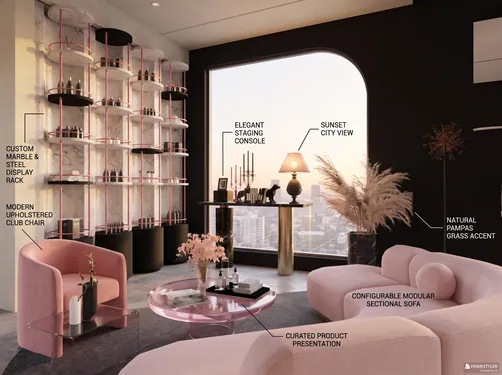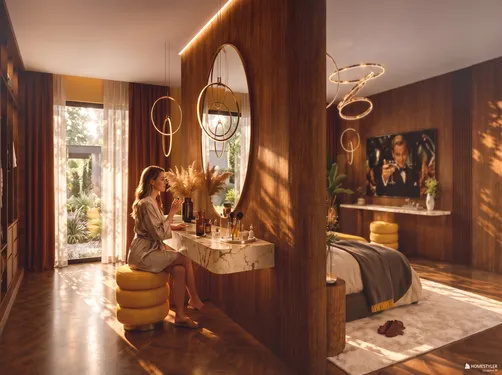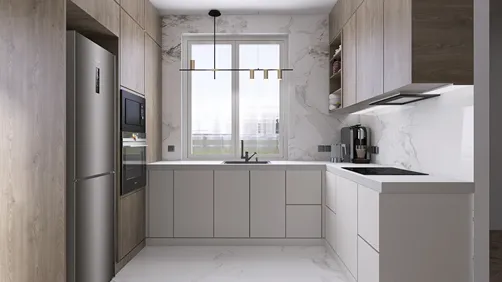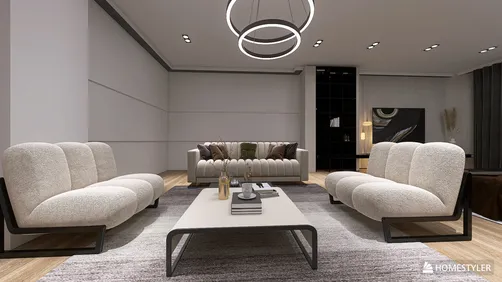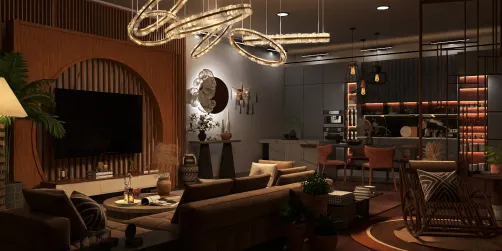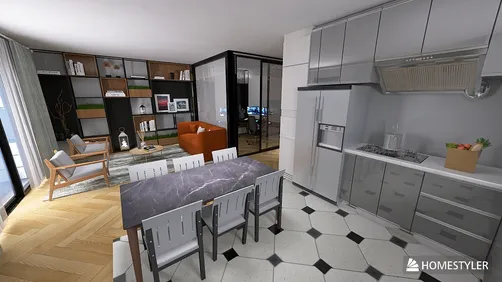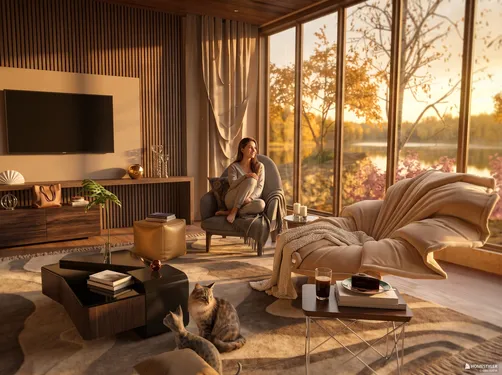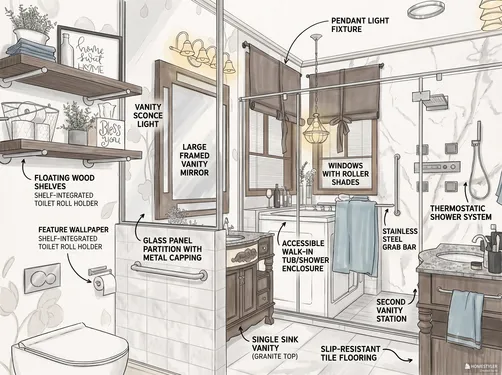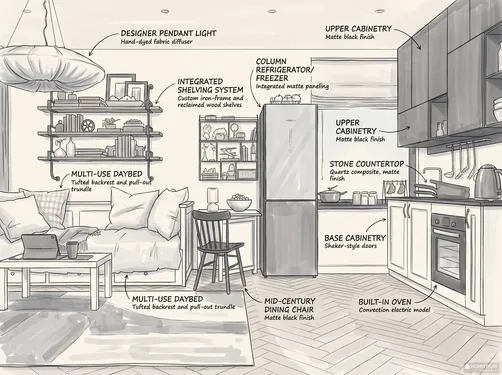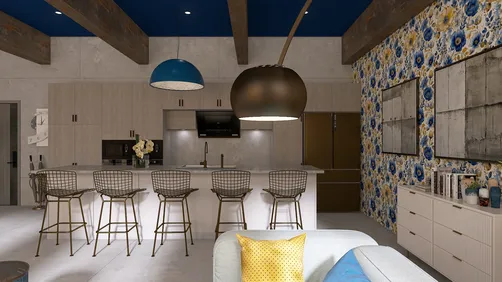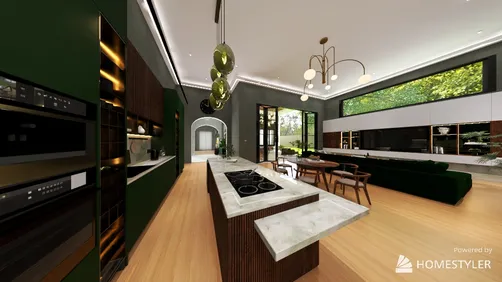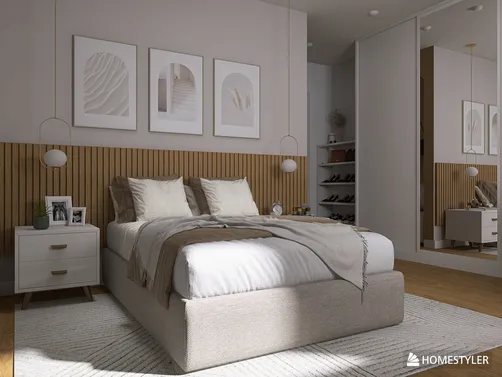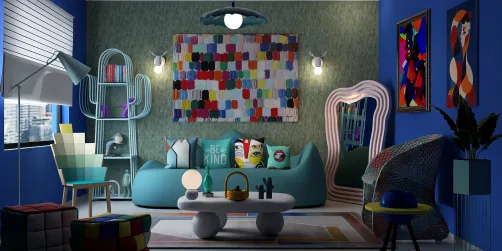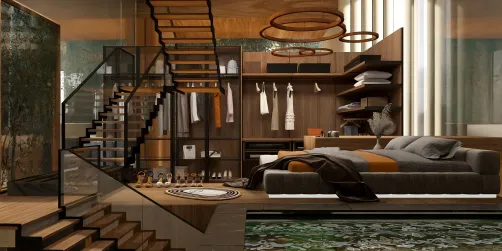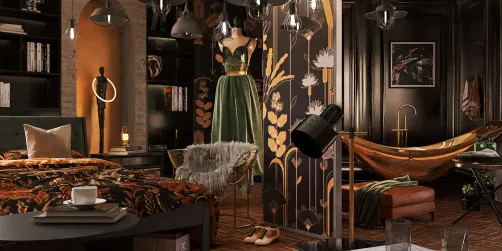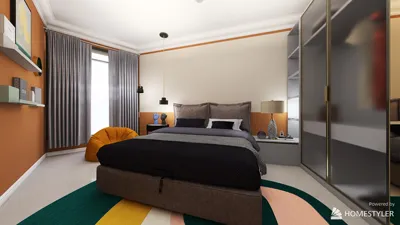


The intrinsic appeal of Scandinavian furniture lies in its harmonious balance between minimalism and warmth, a design challenge requiring careful calibration of simplicity with inviting comfort. Unlike overly stark Scandinavian interpretations that can feel cold or impersonal, authentic design demands thoughtful integration of functional forms with natural materials and subtle textural contrasts. This style’s core challenge is marrying clean lines and open space with a lived-in atmosphere that avoids austerity. Achieving this requires fine-tuning the scale and proportion of furniture pieces to the spatial context, maintaining an uncluttered flow while weaving in elements that softly enliven the environment. Furthermore, the color palette and lighting schemes must complement each other to reinforce the artwork of subtle contrasts and gentle transitions — steering clear from antiseptic whites or overly muted neutrals that flatten the room’s personality. Equally important is the selection and placement of small-scale accessories and decorative items that punctuate the setting without overwhelming simplicity. The art lies in layering textures and materials to resonate warmth and tactility, such as smooth wood surfaces paired with woven textiles and matte ceramics. Hence, at the core of Scandinavian furniture design is a complex choreography of restraint and warmth, where every choice in layout, color, light, and accessory elevates true authenticity over mere minimalism.
Layout Logic — Proportion and Furniture Arrangement
Effective Scandinavian interiors start with meticulous spatial planning, centering on measured proportions that respect human scale while preserving generous visual breathing room. Begin by selecting furniture with simple silhouettes scaled to the room’s dimensions; for example, choose streamlined sofas and chairs with raised legs to enhance the sense of openness and ease of movement. Avoid chunky or ornate designs that can dominate the space and disrupt the minimalist intent. Position pieces to encourage conversation and fluid circulation, typically in triangular groupings that facilitate social interaction without overcrowding. Maximize natural pathways and align furniture parallel or perpendicular to architectural features to strengthen structural harmony. Introduce occasional pieces like side tables or shelving that balance utility with unobtrusive presence, ensuring their size correlates with adjacent items to maintain proportional integrity. Prioritize multifunctional furniture elements such as storage benches or nesting tables to increase adaptability while retaining clean lines. By rigorously evaluating spatial ratios and clustering elements purposefully, you cultivate Scandinavian spaces that feel both purposeful and comfortably expansive.
Light and Shade — Color Palette and Light Sources
The Scandinavian aesthetic thrives on expertly layered natural and artificial lighting that complements an understated color palette, generating an inviting ambiance without visual harshness. Begin with a base of crisp whites or soft off-whites on walls to reflect and amplify daylight, integral for northern climates with limited sun exposure. Introduce subtle contrasts through muted greys, pale blues, or sandy beiges in upholstery and textiles to enrich visual depth. Select warm-toned wood finishes to offset cooler base colors, creating tactile warmth that environments might otherwise lack. When designing lighting schemes, combine diffused overhead lighting with strategically placed task and accent lamps to provide functional versatility and dimensionality. Consider pendant fixtures with minimalist designs and matte textures in natural materials such as wood or brushed metal to reinforce stylistic coherence. During evenings, employ dimmable sources and candles to cultivate cozy intimacy and modulate atmosphere in line with changing moods. Thoughtful integration of daylight with carefully curated artificial light sources elevates the Scandinavian interior beyond minimal sterility into a realm of serene comfort.
Refined Details — Accents and Small-Scale Elements
The finishing touches in Scandinavian furniture design reside in carefully chosen decorative objects that embody simplicity and tactility, adding subtle personality without clutter. Opt for accessory pieces cast in natural fibers like wool throws, linen cushions, or jute rugs that introduce texture and softness against solid wood or metal surfaces. Ceramic vases, stoneware bowls, or glass candleholders in muted earthy colors can punctuate tables or shelves with quiet distinction. Incorporate greenery via potted plants or sprigs of dried foliage to infuse freshness without overwhelming minimalism. Select lighting fixtures with sculptural qualities serving dual aesthetic and practical roles, such as slender floor lamps or wall sconces with adjustable arms. Thoughtfully curated art prints or photography displayed in simple frames strengthen cohesion with the room’s understated palette. These intentional, restrained decorative choices elevate the mood and add layers of human warmth, transforming a mere arrangement of furniture into a welcoming sanctuary.
Designing the Look
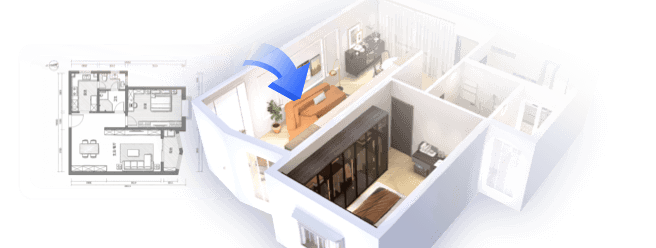
For designers working in Homestyler, the Scandinavian Furniture is a practical shortcut to authenticity. It removes the guesswork from sourcing — every piece is pre-matched in scale, material, and proportion to deliver a coherent Scandinavian interior result.




FAQ
Q: How can I ensure Scandinavian furniture fits well in a small living space without feeling cramped?
Focus on selecting furniture with clean lines and raised legs to enhance visual openness. Prioritize multi-functional pieces like storage ottomans and nesting tables that make efficient use of space without overcrowding. Maintain minimal clutter by limiting decorative items and choosing light, neutral color palettes that reflect natural light to create an airy atmosphere.
Q: What lighting strategies work best to highlight Scandinavian furniture aesthetics?
Integrate multiple sources including overhead diffused lighting combined with task and ambient lamps. Choose fixtures crafted from natural or matte materials, aligning with the design style. Employ warm bulbs and consider dimmable features to adjust mood and maintain the inviting warmth essential to Scandinavian interiors.
Q: Which decorative accents effectively complement Scandinavian furniture without conflicting with minimalism?
Incorporate natural materials such as wool throws, linen cushions, ceramics, and potted plants to add texture and organic warmth. Avoid overly ornate or bulky accessories. Stick to muted earth tones and simple forms that maintain the style’s clean, understated essence while adding tactile interest.
Built on technology originally developed at Autodesk, Homestyler empowers anyone to design beautiful, realistic spaces in minutes. Join over 20+ million registered users (platform data, 2026) who have already discovered a smarter way to plan, visualize, and bring their dream homes to life — all from the comfort of a browser.
Design your ideal space with Homestyler, turn your creativity into reality, and craft a unique home style that is truly your own.
지금 무료로 디자인하세요