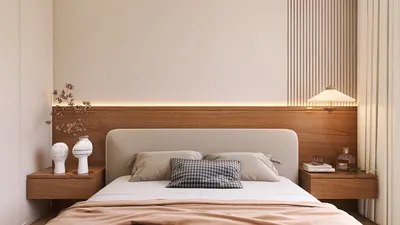


Rustic style embraces the imperfect beauty of natural materials, rugged textures, and simple forms. Its core design challenge lies in balancing raw, unfinished elements with a warm, welcoming atmosphere. Achieving cohesion without veering into clutter or coldness requires a nuanced approach to materiality, scale, and color. The style draws on aged wood, distressed metals, stone, and woven textiles, each carrying a tactile history that must harmonize within the space. The aesthetic contradiction between rough, organic surfaces and the comfort demanded by modern living is where creativity thrives. Without careful curation, interiors risk looking unfinished or overly factory-like. The goal is to foster a genuine sense of place—not a staged set—so every visual and textural element resonates authenticity. This means knowing when to layer ruggedness with soft finishes and how to anchor large rustic components within spatial geometry, keeping proportions human and furniture placement purposeful. The rustic approach is never about minimalism but also refuses excess. Instead, it finds strength in selective restraint—complementing the natural with the crafted, and the tactile with the functional. Creating a truly inviting rustic interior demands design decisions that anticipate the tactile experience as much as the visual, crafting a narrative of lived-in warmth, anchored by materials sourced from nature and refined by time.
Step 1: Layout Logic — Space Proportion and Furniture Arrangement
Start by assessing the architectural features specific to rustic interiors, such as exposed beams, uneven stone walls, or wide plank floors. These elements set a backdrop where spatial balance dictates comfort and flow. Prioritize proportion: chunkier furniture pieces made of reclaimed wood or wrought iron must not overwhelm narrow rooms but rather be spaced to preserve movement. Position key furniture like sofas and dining tables to align with natural sightlines, often centered around a fireplace or large window. Choose layouts that emphasize openness while allowing pockets for intimate seating— like a pair of matched armchairs angled towards a rustic coffee table. Mix straight lines and robust forms with the softness of textiles to prevent rigidity. Scale objects in relationship to one another; a massive timber dining table pairs best with benches or simple chairs that don’t compete in height or bulk. Layer rugs with varying textures to define zones without constraining the airy feel. A tightly packed arrangement contradicts rustic warmth and can feel claustrophobic, whereas too sparse leaves the space cold. Instead, foster dialogue between pieces: a sturdy wood cabinet balances a pliant leather armchair; a bench seats comfortably but leaves pathways clear. Finally, think functionally yet organically—each element should have a place that feels intentional but effortlessly integrated within the overall composition.
Step 2: Light and Color — Tone Selection and Lighting Pairings
Conceptualize your lighting strategy as an opportunity to deepen rustic ambience through natural warmth and shadow play. Select warm light bulbs, ideally near 2700K to 3000K, imitating candlelight or sunset hues. Layer lighting sources: a central wrought iron chandelier adds a structural statement, while table lamps with linen shades scatter soft pools of light. Accent light highlights textural surfaces such as stone walls or wooden beams, drawing the eye to material richness. Incorporate window treatments that can modulate daylight, letting in dappled sun when desired but preserving privacy and mood. Color palettes in rustic interiors gravitate toward earth tones—deep ochres, burnt siennas, moss greens, and muted browns. Start with natural wood finishes as a baseline, then add accents via soft textiles like linen or cotton in warm neutrals with occasional pops of rust or faded navy for depth. Wall treatments can include plaster with subtle texture or wallpaper mimicking grasscloth for tactile interest. Avoid stark whites or overly saturated colors which disrupt atmosphere. When painting wood or cabinetry, opt for matte finishes to enhance authenticity. The harmony between warm light and subdued earth tones encourages visual comfort and invites occupants to linger.
Step 3: Statement Decorations — Small-Scale Models to Enhance Overall Quality
Small decorative elements often define the personality and refinement of a rustic space. Employing model pieces is not merely about filling space but about echoing the foundational materiality on a human scale. Consider hand-forged iron candleholders, woven baskets, or terracotta pots that bring artisanal touches alongside larger furniture. Select objects with a patina or slight wear to communicate history and craftsmanship. Display collections of vintage pottery or aged wooden bowls on shelves or side tables to anchor the narrative of time and usage. Integrate natural elements — bundles of dried lavender, pine cones, or branches — inside simple ceramic vases, providing texture and scent. For textiles, scatter cushions and throw blankets in locally woven fabrics with subtle patterns or rustic embroidery. Lighting fixtures with glass shades tinted amber or smoke grey add color nuance while maintaining translucency. Avoid overly polished or brand-new pieces that contrast sharply with the overall environment. Diligent selection of small models, scaled appropriately and aligned visually with the larger components, elevates the entire rustic design to a layered, lived-in authenticity.
Designing the Look
For designers working in Homestyler, the Rustic Style is a practical shortcut to authenticity. it removes the guesswork from sourcing — every piece is pre-matched in scale, material, and proportion to deliver a coherent rustic result.

Minimalist Solid Wood Art Easel Display Stand 3D Model

Luxury Velvet Ruffled Decorative Throw Pillow 3D Model

Classic White Carved Rams Head Plant Stand Side Table 3D Model


Bohemian Rattan Glass Top Round Side Table 3D Model
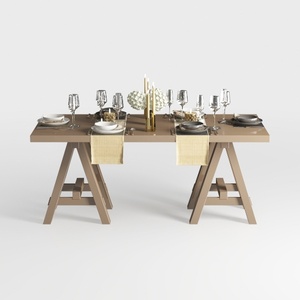
Modern Minimalist Solid Wood Dining Table Set 3D Model
FAQ
Q: How can I prevent a rustic room from feeling too dark or heavy?
A: Balance is critical. Introduce layers of light using warm bulbs and reflective surfaces such as aged mirrors or metallic accents. Incorporate warm but lighter earth tones in textiles and wall finishes to offset heavier wood and stone. Allow ample natural light through minimal window treatments and consider open spatial layouts that encourage brightness while maintaining rustic charm.
Q: What are effective ways to mix rustic furniture with modern elements?
A: Combine rustic materials like reclaimed wood with sleek steel or glass pieces, but keep shapes simple and avoid clutter. Opt for modern furniture with clean lines that contrast subtly with the ruggedness of rustic items, creating visual tension without discord. For example, pair a rough-hewn wood dining table with upholstered modern chairs in neutral tones.
Q: How do I maintain authenticity when sourcing rustic décor online?
A: Look for items explicitly described as handmade or reclaimed, and seek pieces with visible craftsmanship and imperfections. When using digital platforms like Homestyler, leverage curated collections designed for rustic interiors to ensure proportion and material compatibility, avoiding common pitfalls like scale mismatches or style dilution.
Built on technology originally developed at Autodesk, Homestyler empowers anyone to design beautiful, realistic spaces in minutes. Join over 18 million users who have already discovered a smarter way to plan, visualize, and bring their dream homes to life — all from the comfort of a browser.
Homestyler's powerful 3D rendering feature brings your design concepts to life with incredible detail.
Design Now for FREE
































