


Conclusion
Rustic Charm and Modern Minimalism offer fundamentally different design philosophies. Rustic Charm embraces warmth, natural textures, and an inviting, lived-in feel, while Modern Minimalism focuses on simplicity, clean lines, and open space. Choosing between them requires understanding the atmosphere you want to create and the lifestyle considerations that influence your environment.
Style A Deep Dive: Rustic Charm
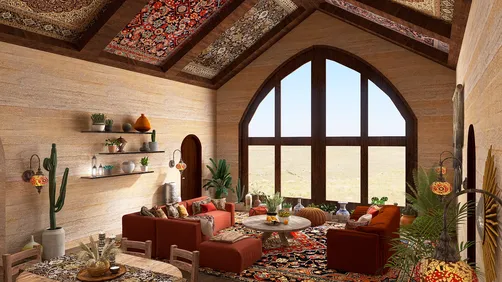
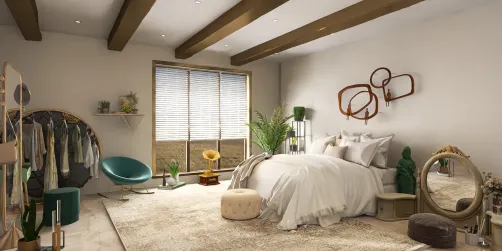
Rustic Charm is defined by its emphasis on nature and authenticity. This style draws heavily on organic materials such as raw wood, stone, and wrought iron to create cozy, grounded environments. The Autumn Fire Pit exemplifies this aesthetic by incorporating warm, earthy tones and textures that evoke outdoor warmth and seasonal transitions. Typical applications include living rooms with exposed wooden beams, kitchens featuring vintage fixtures, and outdoor spaces enhanced with natural fire features. Its main limitation lies in the potential for overuse of heavy elements, which can make spaces feel cluttered or dated if not balanced with lighter touches.
Style B Deep Dive: Modern Minimalism
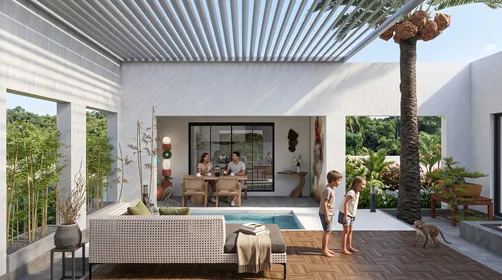
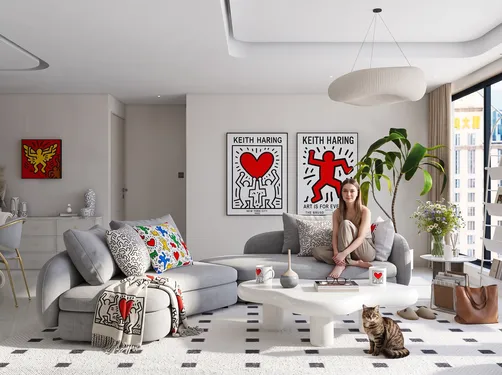
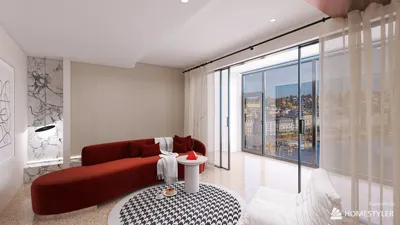
Modern Minimalism champions simplicity and functionality. Characterized by sleek surfaces, neutral palettes, and subtle form, this style values the mantra of 'less is more.' Spaces are often open and uncluttered with a focus on flawless execution and high-quality finishes. Lighting and architectural details become focal points rather than decorative objects. While appealing for its clarity and sophistication, minimalism can feel stark or impersonal if not thoughtfully humanized with carefully selected textures and elements.
Head-to-Head
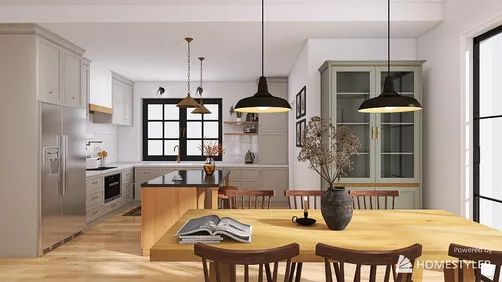
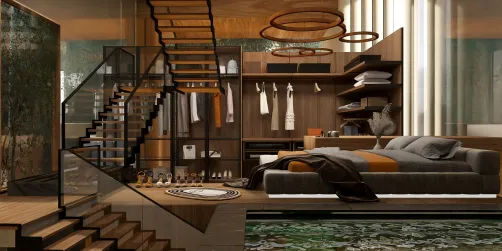
When comparing Rustic Charm and Modern Minimalism, the contrast is evident across multiple dimensions. Color schemes for Rustic Charm lean toward warm, earthy hues like deep browns, burnt oranges, and muted greens, creating a welcoming and cozy palette. Conversely, Modern Minimalism uses neutral colors—white, grey, black—with occasional bold accents to maintain sleekness. Material selection profoundly differentiates the two. Rustic interfaces with tactile, organic materials such as reclaimed wood, stone, and leather. Minimalism opts for polished concrete, glass, steel, and smooth laminate surfaces that engage texture subtly through finish rather than material complexity. Regarding spatial experience, Rustic Charm tends to create intimate, layered spaces filled with visual and tactile richness. Modern Minimalism prioritizes open floor plans, clean sightlines, and minimal surface clutter to foster calm and focus. Finally, these styles cater to different user profiles. Rustic Charm thrives among those who value tradition, nature, and a homely atmosphere, often fitting family homes, mountain cabins, or country retreats. Modern Minimalism appeals to urban dwellers, professionals, and enthusiasts of contemporary lifestyle, favoring function and aesthetics that highlight space and light.
How to Choose
Begin by assessing your lifestyle and personal preferences. Do you find comfort in textures, sentimental pieces, and nature-inspired details? Or do you prefer a streamlined, efficient space that de-clutters and facilitates focus? Consider your environment too—warm climates might benefit from the breathability of minimalist approaches, while cooler climates might inspire cozy rustic interiors. Examine your existing furnishings and architectural features. If you have exposed beams or brick walls, Rustic Charm can naturally complement these elements. For sleek, new builds with large windows and open plans, a minimalist approach aligns with the architecture. Practical considerations include maintenance: Rustic materials may require more upkeep, while minimalism’s plain surfaces can be easier to clean but more prone to showing wear. Budget also plays a role; rustic pieces, especially reclaimed materials and artisanal work, can command a premium, whereas minimalist design often relies on fewer, high-quality essentials. Ultimately, test your inclination by sketching mood boards, combining fabrics, and visualizing space with different stylistic elements.
Designing the Look
If Rustic Charm is the direction you're drawn to, Homestyler's 'Autumn Fire Pit' gives you a ready-built library to start experimenting immediately — no sourcing, no scale guesswork, just design.

medical staff-Medical CareⅡ

spiral staircase-Selected StairsⅡ

staircase-Selected StairsⅡ

spiral staircase-Selected StairsⅡ

staircase-Selected StairsⅡ

medical staff-Medical CareⅡ
FAQ
Q1: How does Rustic Charm handle modern living needs compared to Modern Minimalism?
Rustic Charm incorporates traditional elements and natural materials which may sometimes require more maintenance; however, it creates a warm, inviting atmosphere. Modern Minimalism prioritizes efficiency and clean lines, often better suited for tech-integrated or fast-paced lifestyles due to its clutter-free approach.
Q2: Can Rustic Charm and Modern Minimalism be combined in a single interior?
Yes, blending the warmth of Rustic Charm with the sleekness of Modern Minimalism—often called modern rustic—balances texture with simplicity. It demands thoughtful curation to prevent style conflicts and achieve harmony.
Q3: Which style offers better flexibility for future redesigns?
Modern Minimalism typically provides greater flexibility because of its neutral palette and pared-back elements that can be updated with accessories. Rustic Charm’s distinctive materials and textures may limit adaptability without significant changes.
Homestyler's roots trace back to Autodesk, the global leader in design and engineering software. That heritage lives on in every feature we build. Today, with a community of more than 20+ million registered users (platform data, 2026) worldwide, Homestyler continues to make professional-quality interior design accessible to everyone — from first-time decorators to seasoned architects.
Homestyler is a professional interior design software that helps users effortlessly create their dream home.
Design Now for FREE