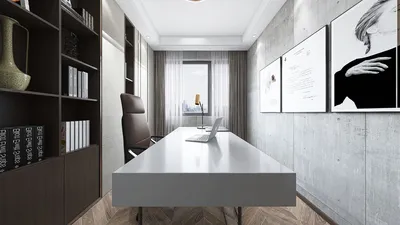


What is the most common issue in Retro-Futuristic Furniture design?
The most common issue is disproportionate scale combined with confusing style fusion, leading to cluttered and incoherent interiors.
Quick Takeaways
1. Overloading with metallic and neon details can overwhelm the space. 2. Mixing unrelated mid-century and futuristic elements creates style conflict. 3. Ignoring scale causes imbalance between furniture and room dimensions. 4. Poor color harmony reduces the intended retro-futuristic vibe. 5. Using low-quality materials undermines the sleek, polished aesthetic.
Introduction
I have noticed that Retro-Futuristic Furniture design is often misinterpreted, causing interiors to feel chaotic rather than visionary. Despite its strong visual appeal, this style’s blend of nostalgic and forward-looking elements easily results in mismatched proportions and stylistic confusion. Getting beyond these hurdles requires precise understanding of its aesthetic rules and boundaries to maintain clarity without sacrificing creativity.
Why It Goes Wrong
The primary failures stem from an over-decoration tendency paired with a misunderstanding of the style’s dual nature—it’s neither fully retro nor purely futuristic, but an intentional hybrid. Designers frequently struggle to balance sleek modern materials with nostalgic curves and colors, resulting in incoherent mixes or overbearing designs that overshadow spatial harmony.
Mistake 1: Overly Complex Metallic and Neon Details
**The Mistake:** Flooding the room with excessive chrome, gold, or neon accents that create visual noise. **Why It Happens:** The futuristic aspect tempts designers to use too many reflective or glowing elements, assuming more translates to high-tech excitement. **The Fix:** Limit metallic and neon features to one or two focal pieces per room. Use matte finishes or softer lighting to balance reflective surfaces and avoid glare.
Mistake 2: Clashing Retro and Futuristic Styles
**The Mistake:** Combining mid-century modern furniture directly with stark sci-fi forms without thoughtful integration. **Why It Happens:** Designers may want to showcase both influences simultaneously but lack a unifying theme. **The Fix:** Choose complementary shapes and materials that echo both eras smoothly. For example, a rounded retro chair with futuristic chrome legs creates harmony rather than visual conflict.
Mistake 3: Ignoring Proportion and Scale
**The Mistake:** Selecting oversized or undersized furniture that disrupts room balance. **Why It Happens:** Bold shapes tempt designers to pick striking pieces that don’t suit the actual spatial dimensions. **The Fix:** Measure room size precisely and plan furniture scale accordingly. Use modular or multi-functional pieces designed for adaptability within futuristic design constraints.
Mistake 4: Poor Color Coordination
**The Mistake:** Mixing too many saturated neon hues with muted retro pastels, causing visual confusion. **Why It Happens:** The style’s palette spans both ends of the spectrum, tempting use of incompatible colors simultaneously. **The Fix:** Establish a clear color scheme using a limited palette: select either neon or pastel as primary tones, with neutrals to mediate the transitions for cohesion.
Mistake 5: Selecting Inadequate Materials
**The Mistake:** Using cheap plastics or fabrics that conflict with the intended sleek, polished finish. **Why It Happens:** Budget constraints or lack of material awareness can lead to subpar texture choices. **The Fix:** Opt for professional-grade materials like high-quality acrylics, polished metals, and refined upholstery that reinforce the futuristic-retro aesthetic.
Designing the Look
Homestyler’s ‘Retro-Futuristic Furniture’ offers a comprehensive set of ready-to-use 3D models specifically curated to embody this aesthetic, allowing designers to achieve authentic results with professional-grade textures and forms.

bed-Retro-Futuristic Furniture

multi-seat sofa-Retro-Futuristic Furniture

lounge chair-Retro-Futuristic Furniture

sofa set-Retro-Futuristic Furniture

multi-seat sofa-Retro-Futuristic Furniture

lounge chair-Retro-Futuristic Furniture
FAQ
Q1: How can I maintain balance between retro and futuristic elements in furniture?
Achieving harmony relies on selecting pieces that complement one another in shape, material, and color. Avoid placing overly ornate retro items next to stark futuristic designs without transitional elements like shared color accents or matched scale. Using transitional materials such as chrome with warm wood tones can soften contrasts while preserving the combined aesthetic.
Q2: Are neon colors necessary for authentic Retro-Futuristic Furniture?
Neon colors can be effective but are not mandatory. The style emphasizes contrast and innovation, which can be expressed through various bold hues or sleek monochromes. Neon should be used judiciously to highlight key pieces rather than saturate the entire space, preventing visual overload.
Q3: Which materials support the longevity of Retro-Futuristic design?
Durability pairs well with the style’s sleek appearance. High-quality acrylics, polished stainless steel, tempered glass, and premium synthetic fabrics ensure surfaces remain smooth and reflective as intended. Investing in these materials avoids early wear that would detract from the style’s futuristic polish and retro nostalgia.
Homestyler's roots trace back to Autodesk, the global leader in design and engineering software. That heritage lives on in every feature we build. Today, with a community of more than 18 million users worldwide, Homestyler continues to make professional-quality interior design accessible to everyone — from first-time decorators to seasoned architects.
Homestyler is a professional interior design software that helps users effortlessly create their dream home.
Design Now for FREE
































