


Retro Foyer Style: Origins and Defining Philosophy
The Retro Foyer aesthetic is a deliberate juxtaposition between nostalgic vintage elements and contemporary design needs. Rooted in mid-20th century styles, it channels an era when bold personality in entryway spaces was a mark of character and status. This style’s philosophy centers on reinvigorating timeless elegance with an accessible warmth that resonates in modern homes. It challenges the notion that corridor or foyer areas are mere transitional zones, instead transforming them into expressive, welcoming environments that meld function with retro charm. The Retro Foyer's signature is its ability to balance striking visual appeal with practicality, embodying a design language where every element feels curated yet inviting. It carefully curates color palettes, material selections, and distinctive shapes that together forge an atmosphere evocative of classic sophistication but tailored for today’s lifestyle needs.
Key Defining Attributes of Retro Foyer Style
The first pivotal visual characteristic is the use of nostalgic color palettes dominated by saturated yet muted tones. Warm ochres, mustard yellows, and subtle teals recall the mid-century era’s graphic prints and upholstery hues. This color story extends beyond mere surface application to influence mood and spatial perception, producing an inviting, cozy atmosphere that contrasts modern minimalism’s stark whites and grays. Walls, floor tiles, and accessories remain carefully coordinated to sustain this retro chromatic identity. Materiality anchors the second defining dimension of the Retro Foyer. It privileges textured surfaces that convey a tangible sense of age and craftsmanship. Rich velvets, polished brass fixtures, terrazzo floors, and patterned wallpapers contribute to layered depth and tactility. These material choices convey authenticity, inviting touch and interaction while enhancing visual interest through interplay between matte and reflective finishes. The material palette deliberately avoids mass-produced prefab feel, referencing artisanal methods and mid-century manufacturing precision. Shape and form constitute the third fundamental aspect. Furnishings and decor adopt sculptural yet functional silhouettes, from tapered-leg consoles to arched mirrors with beveled edges. This dimension celebrates geometric clarity fused with organic curves. Entryway furniture balances slender profiles with sturdy presence, while lighting fixtures become statement objects with globe pendants or sputnik chandeliers. Such forms articulate the style’s commitment to creating dynamic visual anchors in otherwise narrow or overlooked spaces.
Designing the Look with Retro Foyer Elements
For designers aiming to realize the Retro Foyer aesthetic authentically, having access to accurate 3D representations and textures is essential. Homestyler’s ‘Retro Foyer’ offers a comprehensive set of ready-to-use 3D models specifically curated to embody this aesthetic, allowing designers to achieve authentic results with professional-grade textures and forms. This model pack facilitates experimentation and precision, enabling creative professionals to visualize how nostalgic color schemes, distinctive materials, and sculptural shapes harmonize within a foyer space. By using these models, one can explore various compositions blending vintage pieces with contemporary accents without committing to physical procurement. The realistic finishes replicate the tactile richness of velvets or the gloss of brass, while shapes are rendered to exacting mid-century proportions. Beyond practical visualization, these models save time in sourcing and ensure design accuracy conducive to client presentations and iterative refinement. Such a resource empowers a seamless fusion of retro charm and modern utility, enabling entryways to transcend their functional role and become focal experiences that resonate on emotional and aesthetic levels. This approach aligns with current design values emphasizing personalization and storytelling through spatial nuance.

desk-Retro Foyer

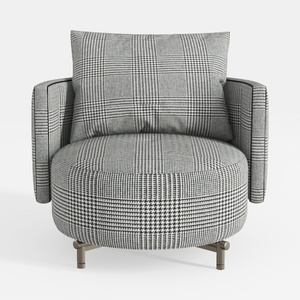
Minimalist Houndstooth Fabric Upholstered Armchair 3D Model
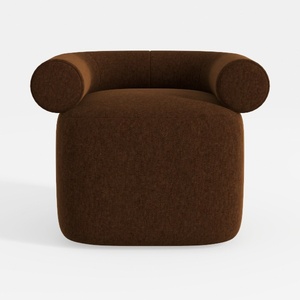
Minimalist Brown Fabric Upholstered Accent Armchair 3D Model

Mid Century Modern Dark Brown Leather Solid Wood Armchair 3D Model

entrance table-Retro Foyer
FAQ on Retro Foyer Style
Q1: How can I incorporate Retro Foyer colors without overwhelming a small space?
Retrofitting color in compact entryways involves using accent pieces, such as cushions or wall art in classic Retro Foyer hues like mustard or teal, against neutral backgrounds. This provides pops of nostalgia without saturating the space, maintaining openness and brightness.
Q2: What materials best convey the Retro Foyer’s authenticity?
Key materials include velvet upholstery, terrazzo flooring, and polished brass accents. They provide tactile contrast and mid-century craftsmanship cues, essential for an immersive retro atmosphere. Avoid synthetic imitations to preserve authenticity.
Q3: Can Retro Foyer style work in a modern, open-plan home?
Absolutely. The style offers versatile elements that can anchor entry zones even within open layouts. Integrating sculptural furniture forms and nostalgic color accents helps visually delineate the foyer, creating a dedicated welcoming area without disrupting overall spatial flow.
What began as an Autodesk innovation has evolved into a design platform used by more than 18 million people around the globe. Homestyler combines powerful rendering, an intuitive editor, and a vast furniture library to help you turn inspiration into photorealistic designs — whether you're redesigning a single room or planning an entire home.
Homestyler supports multiple platforms, allowing you to work on your interior design anytime, anywhere.
Design Now for FREE
































