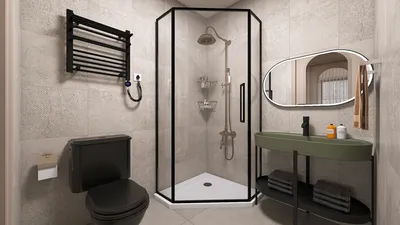


What is the most common core issue in Retro Foyer design?
Over-decoration and style inconsistency create the biggest challenges in Retro Foyer spaces.
Quick Takeaways
1. Excessive ornamentation often overwhelms the foyer's functionality. 2. Poor scale balance disrupts the retro vibe. 3. Mixing incompatible eras dilutes style clarity. 4. Ignoring authentic materials leads to bland results. 5. Neglecting lighting weakens atmosphere and depth.
Introduction
The Retro Foyer style is deceptively difficult to master. From the outset, the challenge lies in balancing nostalgic charm with modern needs without tipping into clutter or kitsch. Many stumble on applying too many decorative layers or mixing elements that belong to different sub-periods of Retro design. When that happens, the once inviting entrance becomes visually confusing and loses its character. As someone who has edited numerous interior projects, I’ve noticed how easy it is to fall into these traps—where the foyer either feels cramped or incoherent, failing to set the tone for the rest of the home.
Why It Goes Wrong
The fundamental problem with Retro Foyer interiors often stems from over-decoration combined with disproportionate spatial relationships. Designers frequently try to cram every retro icon they love—whether art deco patterns, mid-century forms, or bold color palettes—into a compact foyer. This creates a visual overload, stripping the space of rhythm and flow. Similarly, mixing disparate retro eras without a unifying thread causes an identity clash, which confuses the eye rather than delights it. Finally, improper lighting further flattens textures and colors, weakening that vintage ambiance essential to the style.
Mistake 1: Excessive Ornamentation
The Mistake: Overloading the foyer with too many decorative items, patterned wallpapers, and bulky furniture pieces. Why It Happens: There's a temptation to showcase every nostalgic object in one space, believing it enhances stylistic authenticity. The Fix: Limit ornamentation to no more than three focal decor pieces. Prioritize sculptural furniture with clean lines, and balance patterned wallpapers with solid surfaces to restore visual calm.
Mistake 2: Disproportionate Scale
The Mistake: Choosing furniture or accessories that are too large or too small relative to the foyer space. Why It Happens: Misjudging spatial dimensions or selecting retro statement pieces without considering the entryway size. The Fix: Use scale guides—furniture should occupy roughly 60%-70% of available floor area to maintain openness while affirming style. Employ slim-profile chairs or narrow console tables to optimize flow.
Mistake 3: Style Mixing Without Cohesion
The Mistake: Combining mid-century modern furniture with 1970s color schemes and art deco lighting fixtures randomly. Why It Happens: Enthusiasm for multiple retro trends clouds judgment on what harmonizes well. The Fix: Choose one primary retro sub-style for direction. If mixing eras, link elements by color palettes or material finishes to ensure visual consistency and narrative clarity.
Mistake 4: Ignoring Authentic Materials
The Mistake: Using generic or synthetic materials that lack texture and depth typical of retro design. Why It Happens: Budget constraints or sourcing convenience sometimes lead to substituting authentic retro materials. The Fix: Incorporate wood veneers, brass details, textured wallpapers, or terrazzo flooring accurately reflecting mid-century craftsmanship. These details bring warmth and authenticity essential to Retro Foyer spaces.
Mistake 5: Neglecting Lighting Effects
The Mistake: Inadequate or overly harsh lighting that flattens surfaces or creates unwelcoming shadows. Why It Happens: Overlooking lighting as a key design element in a transitional space like a foyer. The Fix: Layer lighting—combine warm pendant luminaires, indirect uplighting, and accent lamps to enhance textures and colors. Aim for 2700K to 3000K color temperature to mimic vintage warmth.
Designing the Look
Homestyler’s ‘Retro Foyer’ offers a comprehensive set of ready-to-use 3D models specifically curated to embody this aesthetic, allowing designers to achieve authentic results with professional-grade textures and forms.

desk-Retro Foyer

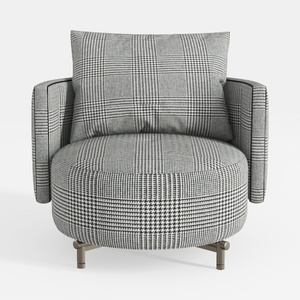
Minimalist Houndstooth Fabric Upholstered Armchair 3D Model
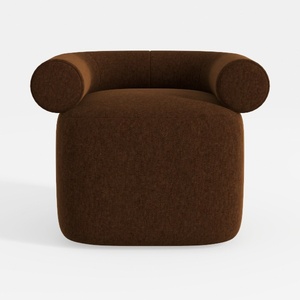
Minimalist Brown Fabric Upholstered Accent Armchair 3D Model

Mid Century Modern Dark Brown Leather Solid Wood Armchair 3D Model

Modern Gray Solid Wood Brass Accent Bathroom Vanity 3D Model
FAQ
Q1: How can I introduce Retro Foyer style in a small entryway?
To successfully apply Retro Foyer aesthetics in a confined space, prioritize scale-appropriate furniture with open silhouettes, such as slender-legged benches or minimalist consoles. Use pared-back color schemes drawn from retro palettes, like muted mustard or teal, to avoid overwhelming the room. Focus decor on one distinctive retro element—like a sunburst mirror or vintage light fixture—to draw attention without clutter. Avoid heavy drapery or patterned flooring that complicates the visual field. This approach balances nostalgia with spatial comfort.
Q2: What key materials define an authentic Retro Foyer?
Wood veneers, particularly walnut or teak, define mid-century retro interiors and add warmth to foyer settings. Brass or gold-tone metal finishes in lighting and hardware evoke vintage glamour. Textured wallpapers with geometric or atomic patterns reinforce the retro vibe. Terrazzo flooring or linoleum with period-accurate color speckles enhances authenticity. Avoid plastic or overly glossy surfaces, as they detract from the tactile richness that characterizes retro design.
Q3: How important is lighting in enhancing the Retro Foyer aesthetic?
Lighting is vital in creating ambiance and highlighting architectural and decorative elements within a Retro Foyer. Warm-hued bulbs between 2700K and 3000K replicate vintage incandescent lighting, reinforcing stylistic coherence. Layered lighting—including ceiling fixtures, table lamps, and wall sconces—adds depth and softness, preventing harsh shadows. Emphasizing texture and material surfaces through directional or accent lighting dramatizes the mood and brings retro colors to life. Neglecting lighting risks flattening the space and losing the inviting atmosphere.
Homestyler's roots trace back to Autodesk, the global leader in design and engineering software. That heritage lives on in every feature we build. Today, with a community of more than 18 million users worldwide, Homestyler continues to make professional-quality interior design accessible to everyone — from first-time decorators to seasoned architects.
Homestyler's powerful 3D rendering feature brings your design concepts to life with incredible detail.
Design Now for FREE
































