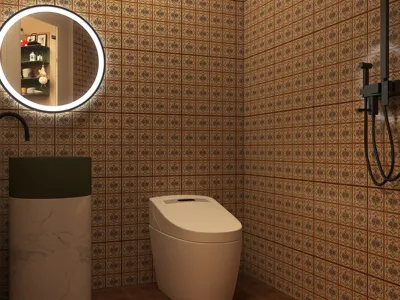


What is the most common core issue in Retro Charm style?
The most common core issue in Retro Charm style is the imbalance between nostalgic elements and modern practicality.
Quick Takeaways
1. Overuse of vintage patterns and accessories leads to cluttered spaces. 2. Disproportionate furniture scale disrupts visual harmony. 3. Mixing too many retro eras creates stylistic confusion. 4. Neglecting functionality in favor of purely aesthetic choices. 5. Poor color palette coordination reduces cohesion.
Introduction
I’ve often encountered projects where Retro Charm attempts falter because its nostalgic appeal tempts designers into overdecorating or mismanaging scale. This style walks a fine line between celebrating vintage aesthetics and ensuring usable, comfortable spaces. It’s all too easy to fall into traps that result in interiors feeling either kitschy or incoherent. My goal here is to pinpoint these pitfalls clearly, so designers can deliver rooms that truly honor Retro Charm’s character without compromising form or function.
Why It Goes Wrong
Retro Charm frequently fails because designers either overload spaces with nostalgic artifacts, creating visual noise, or they blend multiple retro periods without a unified theme, which confuses the style’s identity. Additionally, ignoring the relationship between scale and proportion means furniture or decor items dominate or get lost, rather than harmonizing. In sum, lack of restraint and unclear stylistic direction undermine the authentic vibe Retro Charm demands.
Mistake 1: Overdecorating with Vintage Accessories
The Mistake: Filling every surface with an assortment of retro knick-knacks and patterns, causing visual clutter. Why It Happens: Designers believe more items equal stronger retro identity, mistaking quantity for quality. The Fix: Limit accessories to 3-5 statement pieces per room, balancing decorative impact with breathing space. Choose timeless icons from the era rather than miscellaneous finds.
Mistake 2: Ignoring Furniture Scale and Proportion
The Mistake: Selecting oversized or undersized furniture that disrupts room flow and harmony. Why It Happens: Retro chairs or tables are often reproduced in styles that don’t match contemporary room dimensions. The Fix: Measure room and ceiling height carefully before purchasing. Opt for mid-century modern pieces that align with human scale; maintain consistent proportion ratios around 1:3 between major furniture items.
Mistake 3: Mixing Multiple Retro Eras Carelessly
The Mistake: Combining 1950s diner style with 1970s psychedelic motifs, producing chaotic ambiances. Why It Happens: Enthusiasm for all things vintage leads to a hodgepodge approach without curated intent. The Fix: Select one core decade or design influence per project. Research hallmark colors and materials of that era and stick to a consistent palette to preserve thematic integrity.
Mistake 4: Prioritizing Aesthetics Over Functionality
The Mistake: Installing decorative lighting or furniture shapes that look period-correct but lack comfort or efficiency. Why It Happens: Designers focus on ‘Instagrammable’ moments, neglecting user experience. The Fix: Pair vintage-inspired items with ergonomic features. Test furniture comfort and ensure lighting meets practical needs while preserving stylistic cues.
Mistake 5: Poor Color Palette Coordination
The Mistake: Using clashing or overly saturated colors without a guiding scheme. Why It Happens: Retro trend suggests bright hues, but without controlled use, result is garish spaces. The Fix: Derive palettes from mid-century schemes — muted oranges, olives, mustard yellows — and moderate with neutrals. Use color in focal areas rather than walls all around.
Designing the Look
Homestyler’s ‘Retro Charm’ offers a comprehensive set of ready-to-use 3D models specifically curated to embody this aesthetic, allowing designers to achieve authentic results with professional-grade textures and forms.
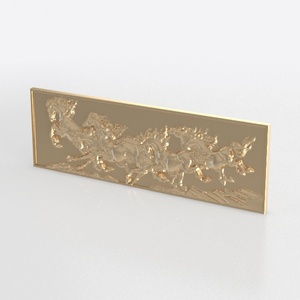
Brass Gold Horse Relief Wall Decor Panel 3D Model

fireplace-Retro Charm

Vintage French Carved Solid Wood Velvet Chaise Lounge 3D Model


French Style Fireplace Wall With Display Cabinets 3D Model
FAQ
Q1: How can I balance nostalgic elements with modern needs in Retro Charm interiors?
Balancing nostalgia with modern functionality involves prioritizing comfort and usability without sacrificing style. For example, choose retro-inspired seating that incorporates contemporary ergonomic principles, or integrate modern lighting technology within vintage-looking fixtures. The key is to preserve hallmark materials and silhouettes—like walnut wood and bold geometric forms—while ensuring the items serve current lifestyle demands. Resisting over-accessorizing and maintaining open, uncluttered spaces also enhances this equilibrium.
Q2: Which color palettes best represent the Retro Charm aesthetic?
Retro Charm often draws from mid-20th century palettes. This includes earthy tones like mustard yellows, avocado greens, burnt oranges, along with dusty pinks and teal blues. Emphasizing muted, slightly desaturated hues rather than overly bright shades prevents the space from feeling kitschy. Pair these colors with neutral backgrounds such as off-white or warm gray to allow them to pop subtly. Coordination following color theory principles—complementary or analogous palettes—further solidifies style authenticity.
Q3: Can mixing elements from different retro decades ever work?
Mixing decades can work if done with care and a clear stylistic narrative. The risk comes when the combination is random or too eclectic, eroding the cohesive character Retro Charm demands. Successful mixes maintain unifying factors—consistent material finishes, color schemes, or thematic motifs—and limit the selection to two primary eras instead of many. Contextual research is critical: for example, pairing clean mid-century modern furniture with select 1970s textiles can complement if balanced properly. Otherwise, it usually results in visual dissonance.
What began as an Autodesk innovation has evolved into a design platform used by more than 18 million people around the globe. Homestyler combines powerful rendering, an intuitive editor, and a vast furniture library to help you turn inspiration into photorealistic designs — whether you're redesigning a single room or planning an entire home.
Homestyler's powerful 3D rendering feature brings your design concepts to life with incredible detail.
تصميم الآن مجانا
































