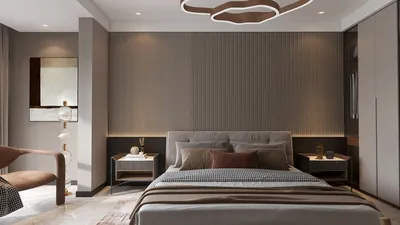


The essence of Retro Charm lies in its delicate balance between nostalgic aesthetics and functional living spaces. The core challenge of this style involves marrying the rich, bold colors and geometric motifs characteristic of mid-century design with contemporary comfort and usability. Achieving this harmony demands a precise understanding of spatial dynamics, color palettes that conjure vintage warmth without overpowering the senses, and furnishings that evoke period authenticity without sacrificing modern ergonomics. Unlike generic retro trends, true Retro Charm harnesses elegant contrasts — mixing sleek lines with organic forms, matte finishes with occasional polished metals, and textured upholstery with subtle patterns to preserve visual interest. This nuanced interplay defines spaces that feel both lived-in and curated, vintage yet fresh. Striking this equilibrium entails deliberate selection of materials and proportions, discerning placement of light sources to highlight key features, and cautious incorporation of accent pieces that punctuate the design story without clutter or distraction. Ultimately, every element within a Retro Charm room must contribute cohesively to an atmosphere that is distinctively warm, inviting, and timelessly stylish, reflecting the era’s spirit with modern sensibility. Designers face the continual task of preventing kitsch or thematic overload by rooting choices in authentic scaling and context while allowing room for personal expression through selective ornamentation.
Layout Logic — Spatial Proportion and Furniture Arrangement
Creating a successful Retro Charm interior starts with deliberate spatial planning that respects both vintage proportions and modern living needs. Begin by defining clear functional zones using mid-century pieces that combine form and function. For instance, employ streamlined sofas with tapered legs and low profiles to maintain openness. Consider a living room where a compact sectional anchors the seating area, paired with a minimalist side table to avoid overcrowding. Always maintain balance: avoid overwhelming the space with bulky furniture, which disrupts flow and compromises authentic retro aesthetics. Pay attention to scale: chairs and tables should complement one another in height and width, reflecting mid-century measurements rather than oversized contemporary forms. Arrange seating to encourage social interaction, positioning sofas and lounge chairs around a central coffee table without forcing awkward traffic paths. Incorporate modular elements like a slender credenza or an open shelving unit to allow flexibility in use and to enhance visual lightness. Use area rugs featuring geometric patterns that echo the era’s hallmark designs to delineate zones, but ensure they fit the room size and furniture arrangement accurately. Remember, negative space is essential to prevent a cluttered feel and to highlight the quality and silhouette of each furniture piece—qualities that define Retro Charm's restrained glamour.
Light and Color — Tone Selection and Source Coordination
Lighting and color choices are pivotal in capturing Retro Charm’s inviting aura. The preferred palette balances warm earth tones, mustard yellows, olive greens, muted oranges, and subtle teals to evoke mid-century sensibilities without heaviness. Avoid primary brights in saturation; instead, opt for slightly desaturated hues that suggest vintage aging. Layer light sources to achieve ambience and function: combine overhead pendant lighting with task lamps featuring brass or matte finishes that exemplify post-war modernism. Use soft LED bulbs emitting warm color temperatures (2700K to 3000K) to mimic incandescent warmth and reinforce intimacy. Strategic use of indirect lighting behind furniture or shelves can enhance textural contrasts and add depth. For windows, choose sheer curtains or wooden venetian blinds that filter natural light gently, preserving connection to daylight while maintaining privacy. Fixtures with organic shapes or geometric cutouts amplify retro character and serve as focal points. Introduce reflective surfaces, such as a low-gloss mirror with a teak frame, to diffuse light subtly and multiply visual interest. Color and light interplay maintains Retro Charm’s goal of generating cozy yet lively atmospheres where each shade and shadow complements the others without competing.
Accent Details — Enhancing Texture and Authenticity with Small-Scale Models
Fine details define the Retro Charm ethos, where small decorative models and accents act as visual punctuation marks against carefully selected furniture and finishes. Choose accessories that highlight craftsmanship and era relevance: ceramic vases with angular shapes, vintage-style clocks with bold numerals, or sculptural coasters carved from natural stone. Incorporate textiles like cushions or throws in graphic patterns or tweed-like weaves to add tactile layers without visual clutter. Brass or matte black hardware on drawers and door handles provides subtle contrast and authenticity. Position sculptures or model pieces on side tables or shelves to create intimate focal points that invite closer inspection—these details create narrative richness and elevate perceived quality. Use wall art with retro motifs, such as abstract geometric prints or pop art-inspired posters framed in thin black or wood frames, integrating color themes of the room seamlessly. Every accent must be chosen with restraint and positioned intentionally to support the overall coherence, ensuring they neither dominate nor fade unnoticed. The measured inclusion of period-appropriate lighting models, bookends, or planters can animate corners and balance modern needs with nostalgic charm.
Designing the Look
For designers working in Homestyler, the Retro Charm model is a practical shortcut to authenticity. It removes the guesswork from sourcing — every piece is pre-matched in scale, material, and proportion to deliver a coherent Retro Charm result.
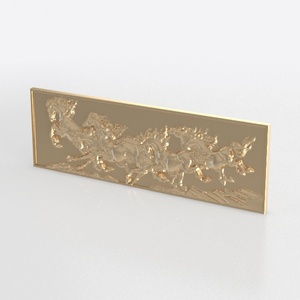
Brass Gold Horse Relief Wall Decor Panel 3D Model

fireplace-Retro Charm

Vintage French Carved Solid Wood Velvet Chaise Lounge 3D Model

Vintage Floral Woven Area Rug 3D Model

Vintage Brass Candelabra 5 Arm Tabletop Candle Holder 3D Model

French Style Fireplace Wall With Display Cabinets 3D Model
FAQ
Q1: How can I ensure furniture proportions match Retro Charm’s mid-century style?
A1: Focus on selecting pieces with tapered legs and low profiles that reflect authentic mid-century dimensions. Measure seating height and width against period standards—typically smaller and more compact than contemporary options. Avoid oversized upholstery and choose streamlined designs with simple contours for balanced spatial harmony.
Q2: What lighting fixtures best complement the Retro Charm aesthetic while providing functional illumination?
A2: Opt for lighting with organic or geometric shapes in brass, matte black, or wood finishes. Combine layered lighting by using pendants, floor lamps, and table lamps that emit warm, soft light to recreate mid-century ambiance without harsh shadows or glare.
Q3: How do small decor items maintain style coherence without cluttering the space?
A3: Select decorative models with thoughtful shapes or textures aligned with the overall palette and style. Place these items deliberately on focal furniture or shelves, ensuring an engaging visual balance. Prioritize quality and era relevance over quantity to reinforce rather than distract from the design theme.
Built on technology originally developed at Autodesk, Homestyler empowers anyone to design beautiful, realistic spaces in minutes. Join over 18 million users who have already discovered a smarter way to plan, visualize, and bring their dream homes to life — all from the comfort of a browser.
Homestyler is a professional interior design software that helps users effortlessly create their dream home.
지금 무료로 디자인하세요
































