


Introduction
Renaissance Romance interior design is a distinctive approach that revives the grandeur and refinement of the European Renaissance period, embracing both opulence and balance. Rooted in a rich cultural history that celebrates artistic mastery, this style reflects a deliberate harmony between ornamentation and structural clarity. The philosophy behind Renaissance Romance taps into an admiration for classical ideals—symmetry, proportion, and an elevated sense of aesthetic dignity—while simultaneously exuding warmth and intimacy that make spaces inviting rather than imposing. This duality frames Renaissance Romance not merely as a revivalist aesthetic but as a versatile narrative that fits contemporary desires for timelessness paired with emotional resonance. Far from being static or overly formal, the style navigates the tension between intricate craftsmanship and approachable comfort, resulting in interiors that inspire both awe and relaxation. It is this balance that defines the Renaissance Romance experience, where each element serves both an ornamental and functional role, consciously linking the past to modern sensibilities through design.
Core Elements
Rich, Warm Color Palette Color in Renaissance Romance carries the weight of emotional depth and historical significance. This palette extends beyond mere muted tones to include deep burgundies, rich ochres, lush emerald greens, and sophisticated navy blues. These colors do not simply fill space but create layers of visual interest through their interplay and contrast. Such choices encourage a sense of drama and comfort simultaneously, grounding the interiors in warm vibrancy that feels both regal and lived-in. The use of golden accents and subtle patinas over colored finishes further enhances this sense of antiquity and luxury. Unlike minimalist or Scandinavian palettes, Renaissance Romance embraces complexity and nuance, employing color to convey narrative, mood, and texture in each room it inhabits.
Sumptuous Materials with Textural Richness Material selection in Renaissance Romance signifies more than durability; it speaks to a tactile and visual richness essential to the style's identity. Heavy brocades, velvet, and damask fabrics are signature textiles that lend opulence and softness, creating a sumptuous tactile experience. Natural stone floors and carved wood paneling emphasize craftsmanship, adding layers of texture that complement the fabric’s softness. Metals such as brass and gold leaf provide reflective surfaces that heighten illumination and amplify decorative details. The interplay between cold stone, warm wood, and soft textiles crafts an immersive sensory environment. This textural complexity ensures that every touchpoint within the space registers as intentional and authentic to the Renaissance ethos, reinforcing the theme of elegance through material storytelling.
Balanced Forms Rooted in Classical Proportion Form within Renaissance Romance is governed by principles that place emphasis on proportion, symmetry, and balanced ornamentation derived from classical architecture. Furniture pieces exhibit curved lines softened with intricate carvings and upholstered accents, juxtaposed with crisp geometric shapes found in molding and decorative borders. The formality of symmetrical layouts translates into furniture arrangements that promote dialogue between elements rather than competition for focus, fostering coherence and unity. Columns, arches, and pilasters are architectural motifs adapted internally to rich domestic scale, not merely replicated but reinterpreted for modern livability. These shapes and silhouettes breathe life into interiors by marrying structure and artistry, providing visual rhythm that invites admiration while maintaining everyday comfort.
Designing the Look
Homestyler’s ‘Renaissance Romance’ offers a comprehensive set of ready-to-use 3D models specifically curated to embody this aesthetic, allowing designers to achieve authentic results with professional-grade textures and forms. These models transform conceptual ideas into tangible design narratives, providing extensive options that align with the style’s intricate detail and balanced geometry. Utilizing these resources enables seamless integration of key materials like velvets, carved woods, and gilded accents within digital renderings, saving crucial time while maintaining accuracy in replicating the historical and emotional depth core to Renaissance Romance. Whether developing grand architectural elements or designing intimate vignette details, the package supports a holistic approach, balancing romantic sophistication with practical execution. This depth of digital tools stimulates creativity and supports interior design projects through various phases, from ideation through presentation, facilitating dialogue between designers, clients, and craftsmen.

Classic French Style Leather Solid Wood Tufted King Bed 3D Model
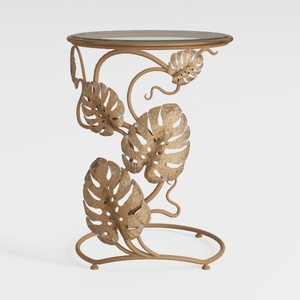
Art Deco Metal Glass Top Monstera Leaf End Table 3D Model


bed bench-Renaissance Romance
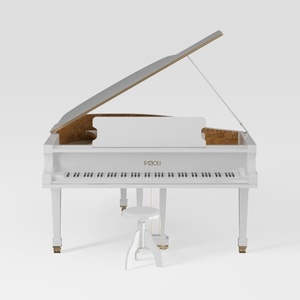
piano-Renaissance Romance
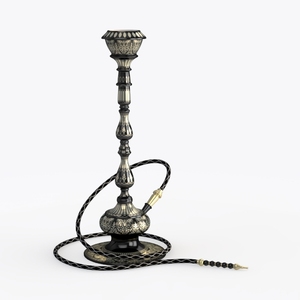
Vintage Ornate Brass Metal Arabic Hookah Shisha 3D Model
FAQ
Q1: What distinguishes Renaissance Romance from other historic revival styles?
Renaissance Romance specifically emphasizes the interplay between balanced classical forms and sumptuous textural contrasts, along with a rich, expressive color palette. Unlike more restrained historic styles, it embraces ornamental detail and warm, emotive materials, creating spaces that are both majestic and inviting.
Q2: How can contemporary designers incorporate Renaissance Romance without overwhelming modern spaces?
Incorporation can be achieved by focusing on individual elements such as upholstery fabrics, decorative moldings, or select furniture pieces while maintaining a neutral or simple base palette. Utilizing Homestyler’s 3D models allows adjustment of scale and proportion to suit modern spatial requirements, blending historic flair with contemporary minimalism.
Q3: Are maintenance and durability concerns manageable with the traditional materials favored by Renaissance Romance?
Yes, many traditional materials like wood, stone, and woven textiles can be sourced or treated with modern finishes that enhance durability and ease of care. Additionally, integrating synthetic textiles mimicking luxurious fabrics or protective sealants on wood preserves the aesthetic while ensuring functionality in everyday use.
Homestyler's roots trace back to Autodesk, the global leader in design and engineering software. That heritage lives on in every feature we build. Today, with a community of more than 18 million users worldwide, Homestyler continues to make professional-quality interior design accessible to everyone — from first-time decorators to seasoned architects.
Homestyler supports multiple platforms, allowing you to work on your interior design anytime, anywhere.
Design Now for FREE
































