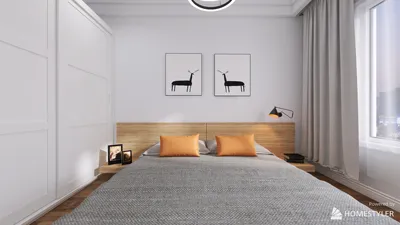


What’s the most common core issue in Renaissance Romance style?
Balancing ornate detailing without overwhelming the space is the most frequent challenge in Renaissance Romance interiors.
Quick Takeaways
1. Over-ornamentation can disrupt harmony. 2. Mismatched proportions distort visual elegance. 3. Mixing incompatible styles causes confusion. 4. Insufficient lighting dulls textures and finishes. 5. Neglecting authentic materials reduces timelessness.
Introduction
When diving into the Renaissance Romance style, frustration often arises from its dazzling detailing paired with strict proportional rules. Designers easily stumble by adding too much decoration or blending styles without restraint. I have found that the challenge lies not simply in replicating antique grandeur but in interpreting its essence without clutter. Understanding the delicate balance of ornament and scale is critical to honoring this style's rich history while crafting livable interiors.
Why It Goes Wrong
The underlying reason Renaissance Romance interiors falter is the struggle between exuberant decoration and spatial harmony. This style demands a precision of scale and restraint that conflicts with the temptation to over-embellish. Without disciplined curation, spaces become visually chaotic. Additionally, misunderstanding the historical context leads to inappropriate material or color pairings, further diluting the authentic feel. Achieving the style’s poetic romance hinges on resolving these tensions through thoughtful choices.
Mistake 1 – Over-Decoration
The Mistake: Excessive use of ornamental moldings, heavy draperies, and layered patterns clutter the space. Why It Happens: Designers associate Renaissance interiors with lavish detail and thus add every decorative element without moderation. The Fix: Limit ornamental accents to key architectural features and use textiles sparingly. Aim for no more than three distinct patterned elements per room, balancing richness with breathing space.
Mistake 2 – Proportion Imbalance
The Mistake: Furnishings and architectural details are mismatched in size, causing a disjointed look. Why It Happens: Failing to apply proportional guidelines of Renaissance design, like harmonic ratios and symmetry. The Fix: Select furniture scaled 2:3 or 3:5 relative to the room dimensions and maintain symmetry around the main focal points to achieve equilibrium.
Mistake 3 – Style Confusion
The Mistake: Mixing Renaissance romanticism with contemporary or minimalist elements creating discord. Why It Happens: Attempting to modernize the style without respecting its foundational principles. The Fix: Choose strictly Renaissance-inspired pieces and materials; if blending styles, use transitional elements that nod to classic motifs subtly.
Mistake 4 – Poor Lighting
The Mistake: Dim or incorrectly positioned lighting fails to highlight textures and ornate details. Why It Happens: Underestimating the importance of layered lighting schemes in period interiors. The Fix: Incorporate warm, layered lighting including sconces, chandeliers, and accent lights directed at relief moldings and artwork to enhance visual impact.
Mistake 5 – Inauthentic Materials
The Mistake: Using synthetic or overly modern materials that break the illusion of historic authenticity. Why It Happens: Cost concerns or unawareness of period-appropriate materials. The Fix: Prioritize natural wood finishes, hand-painted ceramics, and stone textures. When possible, source reclaimed or handcrafted elements for integrity.
Designing the Look
Homestyler’s ‘Renaissance Romance’ offers a comprehensive set of ready-to-use 3D models specifically curated to embody this aesthetic, allowing designers to achieve authentic results with professional-grade textures and forms.

Classic French Style Leather Solid Wood Tufted King Bed 3D Model
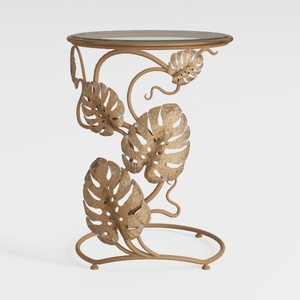
Art Deco Metal Glass Top Monstera Leaf End Table 3D Model


bed bench-Renaissance Romance
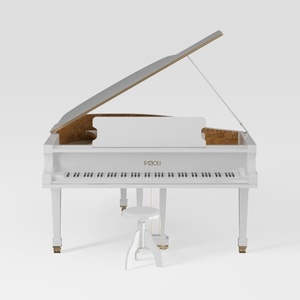
piano-Renaissance Romance
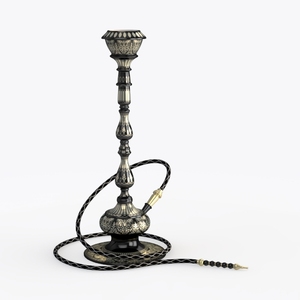
Vintage Ornate Brass Metal Arabic Hookah Shisha 3D Model
FAQ
Q1: How can I maintain authenticity while adapting Renaissance Romance to modern living?
Integrate foundational elements such as classic symmetry and period materials combined with modern functionality. Keep ornamentation selective and pair antique-inspired furnishings with contemporary comforts discreetly to preserve style integrity without sacrificing livability.
Q2: What are the best color schemes for Renaissance Romance interiors?
Deep, warm hues like rich ochres, burgundies, and muted golds work best, balanced by neutral creams and soft pastels. Avoid overly bright or neon colors to maintain the historic romantic atmosphere.
Q3: How do I choose lighting that complements Renaissance Romance style?
Select lighting fixtures modeled on historical designs such as wrought iron sconces and crystal chandeliers with warm bulb tones. Layer ambient, task, and accent lighting thoughtfully to highlight textures and ornate detailing effectively.
Homestyler's roots trace back to Autodesk, the global leader in design and engineering software. That heritage lives on in every feature we build. Today, with a community of more than 18 million users worldwide, Homestyler continues to make professional-quality interior design accessible to everyone — from first-time decorators to seasoned architects.
Leverage Homestyler's AI-powered features to quickly generate professional interior design schemes.
Design Now for FREE
































