

Renaissance Romance faces the essential design challenge of blending intricate historical richness with livable modern comfort. This style draws upon the ornate aesthetics from an era defined by art, culture, and grand architecture, yet it requires thoughtful adaptation to today’s functional living spaces. The core tension lies in balancing elaborate decorative elements such as carved wood, lavish textiles, and classical motifs with spatial harmony and uncluttered usability. Achieving this demands precision in selecting authentic textures and motifs while avoiding overwhelming visual chaos. Refined craftsmanship characterizes Renaissance Romance interiors, but these opulent details must be scaled appropriately within the room’s proportions. One must consider the flow between spaces, allowing the artistry to shine without hindering daily movement. The color palette often leans toward muted golds, deep reds, and earthy tones, creating a warm, inviting ambiance that must be tempered to prevent heaviness. Lighting design plays a critical role here; integrating natural light and period-inspired fixtures with subtle modern technology can enhance the atmosphere without breaking the historic illusion. Finally, sourcing true-to-era furnishings and decor represents a practical impediment. The key lies in coordinated selections that maintain period accuracy while fitting seamlessly into a cohesive composition. The designer’s eye must navigate between replicas and original craftsmanship, negotiating scale, pattern, and material consistency. This meticulous curation is what gives Renaissance Romance its authenticity and timeless charm.
Layout Logic — Proportion and Furniture Arrangement
The first step to capturing Renaissance Romance style in any interior is mastering spatial proportion and furniture placement. This style thrives on harmony, echoing the architectural symmetry and humanist principles prevalent during the Renaissance period. Begin by measuring your space carefully to understand existing dimensions and natural circulation patterns. Renaissance design favors balanced, often symmetrical layouts that create a sense of formality, but modern adaptation requires careful avoidance of rigidity. Position major furniture pieces, such as regal sofas or carved wooden chairs, anchored centrally or aligned along major architectural axes. This arrangement allows the eye to flow naturally while emphasizing the grandeur of each piece. Avoid overcrowding the space with excessive ornate furnishings; instead, choose fewer, statement pieces with detailed craftsmanship that command attention without competing. Zone your interiors distinctly: define areas for dining, lounging, or study by grouping furniture coherently. Use large rugs with classic patterns to delineate these zones, keeping in mind the proportion between rug size and furniture scale. Use consistent furniture scale across the room; oversized armoires or bookcases should not overwhelm smaller seating groups. Attention to scale preserves balance and prevents spaces from feeling claustrophobic or lost. Incorporate architectural elements such as columns, moldings, or archways to frame furniture arrangements, enhancing period authenticity without disrupting flow. Finally, ensure doorways and windows remain unobstructed to facilitate natural light and movement, critical for both aesthetics and comfort. Maintaining spatial openness alongside ornate décor prevents the room from feeling heavy or cramped, enabling a graceful interplay between classic design and liveability.
Light and Color — Tone Selection and Lighting Pairings
Color and lighting define the mood of the Renaissance Romance interior, requiring a nuanced approach to faithfully convey its ambiance. The palette typically features an elegant blend of muted golds, terracotta, deep burgundies, olive greens, and warm beiges. These colors evoke the warmth of Renaissance frescoes and aged palatial interiors. Start by selecting base wall colors in soft earth tones or subdued creams to act as a neutral canvas. Use richer colors strategically on accent walls, textiles, or upholstery to enrich visual depth while preserving room balance. Introduce texture and variation through materials such as velvet cushions, brocade curtains, or hammered metals on light fixtures. These layers add dimension without overwhelming the eye. Lighting should replicate the softness and warmth suggested by candlelight or natural daylight filtered through stained glass. Combine ambient lighting with carefully placed accent lights to highlight architectural details, artworks, or ornamented furnishings. Avoid high-intensity or harsh LED lighting; instead, opt for dimmable, warm white bulbs that enhance gold leaf finishes and wood tones. Incorporate decorative chandeliers or wall sconces inspired by wrought iron or gilded brass to reinforce period character. For dynamic lighting effects, complement artificial sources with ample natural light during the day, using translucent window treatments that diffuse sunlight gently. Controlling the contrast and shadows enhances texture richness and spatial depth essential to the Renaissance Romance atmosphere.
Finishing Touches — Decorative Models that Elevate Texture and Authenticity
Small-scale decorative elements are pivotal in achieving the detailed refinement that defines Renaissance Romance. Incorporate curated accessories like finely sculpted busts, vintage books, candelabras, and ornamental mirrors with gold leaf frames to enrich the narrative. Select decorative objects that share a consistent material language—aged bronze, weathered wood, intricate ceramics—to maintain cohesion. Avoid clutter by integrating these accents purposefully on mantels, shelves, or side tables. Textiles play a crucial role as well: use richly embroidered cushions, tapestry-style throws, and Persian rugs that feature Renaissance motifs or geometric patterns for subtle historical references. Artwork is essential; choose prints or paintings styled after Renaissance masters that evoke storytelling and culture. Position these pieces at eye level and frame them in ornate, but not overpowering, frames. Greenery can soften the formality—potted plants with stone or ceramic containers in classical forms complement the theme, especially if displayed in symmetry or paired placements. Incorporate these curated decorative models thoughtfully to enhance but not dominate the overall design, ensuring every detail contributes meaningfully to the ambiance.
Designing the Look
For designers working in Homestyler, the Renaissance Romance is a practical shortcut to authenticity. It removes the guesswork from sourcing — every piece is pre-matched in scale, material, and proportion to deliver a coherent Renaissance-style result.

Classic French Style Leather Solid Wood Tufted King Bed 3D Model
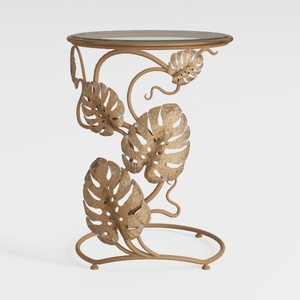
Art Deco Metal Glass Top Monstera Leaf End Table 3D Model


bed bench-Renaissance Romance
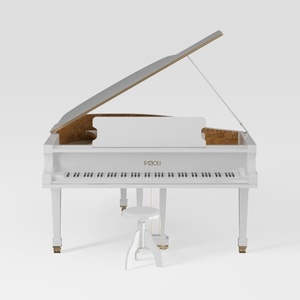
piano-Renaissance Romance
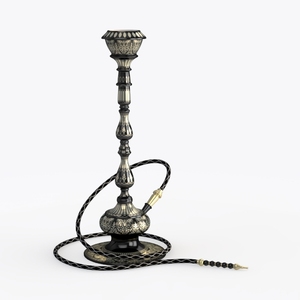
Vintage Ornate Brass Metal Arabic Hookah Shisha 3D Model
FAQ
Q1: How do I balance ornate Renaissance elements with modern usability in small spaces?
Balancing ornate details with functionality requires prioritizing essential statement pieces while limiting the number of heavy furnishings. Use multifunctional furniture that maintains historical appearance but supports daily use. Avoid excessive clutter to keep spatial flow unobstructed. Incorporate light color palettes and mirrors to enhance perceived space while retaining Renaissance accents through fabrics and lighting.
Q2: What lighting strategies best mimic authentic Renaissance interiors?
Emulate Renaissance lighting by combining layered light sources: chandeliers, wall sconces, and table lamps using warm-hued bulbs. Use dimmers to control intensity and replicate candlelight softness. Where possible, utilize natural light by employing sheer curtains that diffuse sunlight. Materials like wrought iron and gilded brass in fixtures support period aesthetics.
Q3: How can I source or replicate authentic Renaissance decorative models affordably?
Affordable sourcing involves selecting quality reproductions and mixing them with handcrafted artisan pieces. Platforms like Homestyler offer curated model libraries pre-matched for style and scale, simplifying selection without sacrificing authenticity. Focus on key decorative elements such as classic busts, candelabras, and ornate frames rather than over-accessorizing, to maintain elegance within budget.
Built on technology originally developed at Autodesk, Homestyler empowers anyone to design beautiful, realistic spaces in minutes. Join over 18 million users who have already discovered a smarter way to plan, visualize, and bring their dream homes to life — all from the comfort of a browser.
Leverage Homestyler's AI-powered features to quickly generate professional interior design schemes.
Design Now for FREE
































