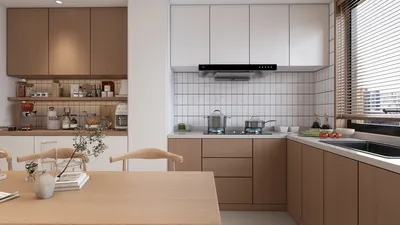


What is the most common core issue in Provençal Dreams design?
Overcrowding spaces with mismatched rustic elements leading to imbalance and loss of authentic Provençal charm.
Quick Takeaways
1. Over-accessorizing can overwhelm the calming rustic appeal. 2. Ignoring scale results in disproportional furniture and decor. 3. Mixing too many styles dilutes the Provençal identity. 4. Poor lighting obscures natural textures and soft color palettes. 5. Neglecting authentic material selection undermines style integrity.
Introduction
When designing in the Provençal Dreams style, it’s easy to fall into traps that destroy its subtle elegance. The charm of rustic French countryside aesthetics hinges on restrained ornamentation combined with soft, weathered textures. Often, novices either overwhelm spaces with excessive detail or stray into generic rustic motifs that miss the nuance of Provençal design. Through hands-on experience, I’ve seen how small missteps accumulate, ticking this style away from its distinctive identity toward a muddled, inauthentic look.
Why It Goes Wrong
The root problem with Provençal Dreams interiors usually centers on aesthetic imbalance. Over-decoration, scale mismatches, and style confusion intrude on the style’s natural harmony, rendering spaces busy rather than relaxing. Provençal charm thrives on delicacy — it’s about finding that quiet intersection between rustic simplicity and elegant antiquity rather than throwing every vintage find into the mix. This subtlety deserves respect; otherwise, rooms can become discordant rather than cohesive.
Mistake 1: Over-Accessorizing
The Mistake: Filling rooms with too many accessories ranging from florals to pottery that compete for attention rather than complement. Why It Happens: Homeowners often associate Provençal style with an abundance of quaint objects, believing more decoration equals more authenticity. The Fix: Limit decorative items to a few meaningful pieces that echo the countryside’s calm spirit. Choose accents according to a clear color palette and textural unity. Quantify: Use no more than 3–5 accessories per major area to maintain visual rest.
Mistake 2: Scale Disproportion
The Mistake: Selecting oversized furniture or tiny decor elements that disrupt room flow and balance. Why It Happens: Mistaking rustic for bulky or miniaturizing antique touches to 'fit' certain spaces. The Fix: Opt for mid-sized, gently worn furnishings with graceful silhouettes. Measure spaces before purchasing and ensure pieces have proportional harmony. Quantify: Distance between key furniture should maintain 30-36 inches for comfortable movement.
Mistake 3: Style Muddling
The Mistake: Mixing Provençal with unrelated styles such as industrial or shabby chic, resulting in a confused aesthetic. Why It Happens: Desire to modernize or add eclectic elements leads to stylistic dilution. The Fix: Commit to Provençal’s defining traits—weathered materials, pastel tones, and classic farmhouse charm—before integrating external styles. Allow only subtle nods to other influences, ensuring the Provençal foundation remains prominent.
Mistake 4: Inadequate Lighting
The Mistake: Using harsh or insufficient lighting that washes out soft palettes and hides the patina on surfaces. Why It Happens: Overlooking natural light enhancement or choosing modern fixtures incongruent with rustic themes. The Fix: Maximize daylight with gauzy curtains and supplement with warm-toned lamps and wrought iron fixtures. Use dimmers to adjust ambiance. Quantify: Maintain at least 300 lumens per square meter of ambient light.
Mistake 5: Material Inauthenticity
The Mistake: Employing synthetic or glossy materials that fail to convey Provençal authenticity. Why It Happens: Cost-saving or availability challenges lead to shortcuts on natural wood, stone, and linen. The Fix: Prioritize genuine materials exhibiting imperfections and timeworn texture. Wood should show grain and distress; fabrics like linen and cotton should look lived-in. Quantify: Aim for at least 70% of visible surfaces in natural materials.
Designing the Look
Homestyler’s ‘Provençal Dreams’ offers a comprehensive set of ready-to-use 3D models specifically curated to embody this aesthetic, allowing designers to achieve authentic results with professional-grade textures and forms.

Modern Minimalist White Solid Wood Kitchen Cabinet With Side Refrigerator 3D Model

Floral Print Fabric Throw Pillow Decorative 3D Model

Vintage Brass Floral Branch Wall Mounted Coat Rack 3D Model


French Style Upholstered Fabric Ottoman with Carved Wood Details 3D Model

Vintage Leather Upholstered Wooden Ottoman with Nailhead Trim 3D Model
FAQ
Q: How can I tell if furniture fits the Provençal style?
Look for pieces with gently curved lines, distressed or painted wood finishes, and details like carved floral motifs. Avoid overly ornate or ultra-modern shapes. Authentic Provençal furniture exudes an elegant rustic simplicity rather than heavy formality.
Q: What colors define the Provençal Dreams aesthetic?
Traditional Provençal palettes include soft, sun-washed pastels such as faded lavender, buttery yellows, verdant sage, and muted blues. These colors reflect the natural Provencal countryside and aged patinas on walls and woodwork. Avoid overly bright or neon colors.
Q: Can modern technology blend with Provençal Dreams interiors?
Yes, but subtly. Incorporate modern conveniences like smart lighting or heating, but conceal technology behind rustic cabinetry or antique-look finishes. The goal is to maintain the room’s vintage charm while benefiting from contemporary functionality.
Homestyler's roots trace back to Autodesk, the global leader in design and engineering software. That heritage lives on in every feature we build. Today, with a community of more than 18 million users worldwide, Homestyler continues to make professional-quality interior design accessible to everyone — from first-time decorators to seasoned architects.
Homestyler has millions of users worldwide, making it one of the most popular online home design platforms.
Design Now for FREE
































