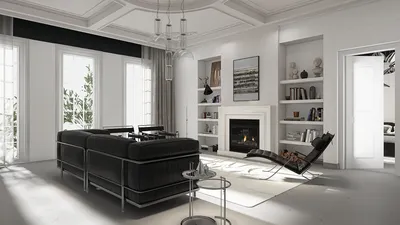


Printed Elements Style: Defining the Aesthetic Philosophy
The Printed Elements style derives its identity from an unapologetic celebration of boldness and individuality through pattern and texture. This design approach is rooted in the philosophy that interiors should reflect an expressive personality, channeling creativity through printed motifs that transform everyday spaces into vibrant, memorable environments. Rather than adhering to strict minimalism or rigid uniformity, this style embraces a deliberate contrast—melding lively prints with sophisticated textures to create visual intrigue without descending into chaos. The core logic is about balance: integrating energetic pattern work with harmonious color schemes and carefully selected materiality to maintain cohesion. It reflects an attitude that values the tactile and the visual, encouraging an interplay of surfaces and forms that spark interest. Originating from a cultural appreciation for textile arts and graphic design, Printed Elements conveys a narrative through its choice of fabric prints, wallpapers, and décor objects, all strategically layered to craft settings rich with personality and story. This style challenges neutral monotony, offering instead vibrant complexity that commands attention yet remains grounded. By doing so, it invites the inhabitant—and guest—to experience interiors as canvases for personal and creative expression.
Core Elements of Printed Elements Style
Color: Printed Elements style thrives on a dynamic palette characterized by vibrant hues that range from saturated jewel tones to unexpected color combinations. The strategic use of contrasting colors enhances the motifs and allows each print to stand out without overwhelming the overall composition. This style skillfully balances brightness and depth through layers of color; backgrounds may feature muted shades acting as counterpoints, while foreground patterns splash bold shades that create visual rhythm. Among the favored tones are deep emerald greens, burnt oranges, mustard yellows, and rich blues, often combined with accent colors drawn from nature or contemporary art. Complimentary and analogous schemes are manipulated with intent to ensure that the color interactions remain exciting yet elegant. This chromatic vigor acts as a driver in defining spaces infused with energy while promoting a sense of harmony by grounding colors within the context of the room’s lighting and material selections, thereby enhancing the authentic printed experience.
Materiality: Textures play a pivotal role within Printed Elements environments to amplify the sensory richness of the style. Contrary to glossy or reflective finishes, this aesthetic favors tactile materials that embody warmth and subtle imperfection—think woven fabrics, natural fibers, textured wallpapers, and matte ceramics. Printed textiles often exhibit dimension not just through pattern but through weave and surface irregularity, inviting touch and enhancing comfort. Mixed media approaches combine traditional printed cottons or linens with modern synthetics that feature digital prints, all chosen to withstand daily use while preserving vibrancy. This tactility is crucial as it prevents the design from appearing flat or purely visual, adding layers of physical presence that engage multiple senses. The interplay between soft upholstery, rougher rugs, or knobbly cushions creates an atmosphere where the printed visuals are complemented rather than overshadowed by their substrates.
Form and Shape: Printed Elements embrace geometric, organic, and abstract shapes to complement the visual narratives of the prints themselves. Unlike design approaches that emphasize minimalistic or strictly functional shapes, this style encourages playful experimentation, with silhouettes ranging from bold, sculptural furniture pieces to delicate curves and angular accents. Shapes serve both a supportive and a contrasting function—frames, tables, lighting fixtures, and décor items are deliberately chosen or crafted to echo or counterbalance the movement and rhythm inherent in the printed motifs. Large-scale shapes often anchor the room, providing relief from smaller intricate patterns, while repeated forms unify disparate elements into a fluid composition. This dynamic form language creates visual tension and harmony simultaneously, allowing interiors to feel both spontaneous and deliberately curated.
Designing the Look
Homestyler’s ‘Printed Elements’ offers a comprehensive set of ready-to-use 3D models specifically curated to embody this aesthetic, allowing designers to achieve authentic results with professional-grade textures and forms. This model package includes a diverse library of patterned textiles, wallpaper designs, furniture forms, and decorative accents that stay true to the style’s bold color choices, tactility, and dynamic shapes. When applied in digital interior design or architectural visualization projects, these resources enable creatives to visualize the spatial interplay of printed elements with remarkable fidelity. Practically, the models streamline the workflow for designers seeking to include intricate printed surfaces and textured materials without needing to custom-create such assets from scratch. The texture maps embedded in these files faithfully reproduce weave details, fabric drapes, and surface irregularities, while the mesh geometries consider real-world proportions and ergonomics of furnishings and ornament. Consequently, this toolkit bridges the gap between aesthetic ambition and technical feasibility, providing a reliable platform for iterative exploration and presentation. From residential lounges to boutique hospitality interiors, the Printed Elements set provides versatile options that inspire experimentation while ensuring stylistic coherence. Designers can experiment with layering patterns and forms digitally before committing to physical materials or manufacturing, thus reducing costs and environmental impact. This synergy between creative ideation and technical precision signals a new paradigm in design resource availability, accelerating both the conceptual and execution phases of Printed Elements interiors.

Woven Fabric Multicolor Outdoor Pouf Ottoman 3D Model

Vintage Damask Fabric Upholstered Armchair 3D Model

Modern Metal Lattice Headboard Fabric Upholstered King Bed 3D Model

Bohemian Floral Embroidered Fabric Accent Chair 3D Model

Abstract Expressionist Mixed Media Wall Art Print 3D Model

Modern Chevron Fabric Upholstered Black Wooden Bedroom Bench 3D Model
FAQ
Q: What kinds of prints are characteristic of the Printed Elements style?
The Printed Elements style favors bold, graphic prints including florals, geometrics, abstract motifs, and traditional textile patterns like ikat or ikat-inspired repeats. Patterns are often scaled variably to create layers of visual interest, ranging from oversized statement pieces to subtle supporting textures. The key is that these prints visually energize the space without causing visual chaos, achieved through thoughtful composition and color harmony.
Q: How can color choices enhance the Printed Elements aesthetic without overwhelming a room?
Color selection balances saturation and contrast to energize prints while maintaining harmony. A base palette of neutrals or muted tones grounds the design, allowing accent colors to pop within patterns. Combining complementary colors can increase dynamism, whereas analogous tones soften transitions. Lighting design also influences perceived color intensity, making it essential to consider natural and artificial sources.
Q: Are there specific materials best suited for maintaining printed textures' vibrancy and durability?
Durable natural fibers like cotton, linen, and wool are preferred for their texture and breathability, with modern synthetic blends employed for fade resistance and wear tolerance. Material treatments such as UV protection and stain resistance help safeguard printed surfaces. Additionally, selecting matte or semi-matte finishes prevents glare that could diminish pattern clarity, preserving the tactile visual appeal over time.
What began as an Autodesk innovation has evolved into a design platform used by more than 18 million people around the globe. Homestyler combines powerful rendering, an intuitive editor, and a vast furniture library to help you turn inspiration into photorealistic designs — whether you're redesigning a single room or planning an entire home.
Homestyler offers a vast library of furniture and decoration materials to meet all your design needs.
Дизайн сейчас бесплатно
































