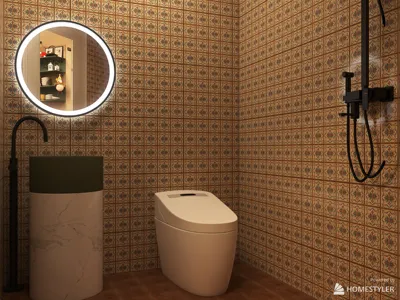


Polish Modernist Furniture epitomizes a delicate tension between rigorous minimalism and nuanced craftsmanship. The core design challenge lies in achieving a harmonious dialogue between functional simplicity and material richness without falling into either cold austerity or excessive ornamentation. Designers must negotiate spatial austerity while embedding warmth through carefully curated forms and textures. Unlike more flamboyant or decorative styles, Polish Modernism demands precision in scale, proportion, and tactile engagement, making each piece a silent yet powerful statement within the room. Balancing natural wood grains, muted palettes, and subtle metal accents challenges conventions about what minimalism can evoke in atmosphere. This style rejects clutter yet refuses to feel sterile—it is an exercise in intentional restraint and interpretive nuance, where every curve and joint contributes to the overall sensibility. Understanding how to orchestrate furniture within true modernist principles, with a Polish inflection, requires deliberate choices about what to highlight and what to let fade, to retain an artwork-like narrative in everyday living spaces.
Step 1: Layout Logic — Spatial Proportion and Furniture Placement
Spatial configuration in Polish Modernist interiors demands a rigorous attention to proportion and relational balance. Start by mapping the room’s dimensions and identifying primary circulation paths; furniture placement should enhance flow while delineating function. Avoid overcrowding by opting for fewer, larger pieces that maintain clean lines and uniform heights, preserving sightlines throughout the space. Position a substantial armchair or sofa opposite a minimalist coffee table to create conversation zones without visual weight overload. Keep furniture footprints minimal but volumetrically significant, emphasizing solid wood and steel frames characteristic of the style. Employ negative space intentionally; empty zones serve as breathing room that accentuates the craftsmanship of the furniture. When arranging pieces, align edges and legs parallel to architectural elements to reinforce harmony with the room’s geometry. Integrating built-in shelving or sideboards flush with walls respects the rationalist roots of Polish Modernism, anchoring the room without distracting bulk. This spatial clarity supports the aesthetic of calm functionality while emphasizing each object’s form and materiality.
Step 2: Light and Color — Tone Selection and Light Source Coordination
Lighting strategies and color palettes in Polish Modernist interiors work symbiotically to underscore understated elegance. Begin by selecting a neutral base palette rooted in ash wood tones, stone greys, and soft whites to frame the furniture’s natural materials. Introduce subtle accent hues—muted olive, ochre, or cobalt blue—in upholstery or wall finishes to inject depth without verbal excess. Layer lighting through a combination of diffuse ambient sources and precise task fixtures, such as adjustable brass wall lamps or minimalist pendant lights that showcase metal detailing. Use warm color temperature bulbs (2700K–3000K) to soften surfaces and reveal wood textures authentically. Avoid harsh overhead fluorescents; indirect lighting with uplights or recessed LEDs can create a cozy stillness. Incorporate natural daylight optimally by positioning furniture to benefit from window exposures, filtering light with sheer fabrics to prevent glare yet maintain brightness. This interplay of color and illumination fosters a spatial atmosphere of contemplative warmth, reinforcing the style’s unified aesthetic without resorting to decorative clutter.
Step 3: Finishing Touches — Small Models to Enhance Overall Quality
Fine-tuning a Polish Modernist interior involves judicious selection of accessories that echo the style’s ethos. Introduce small sculptural objects or ceramic vessels with matte glazes to enrich texture without saturation. Consider abstract or geometric accents crafted from natural materials—stone, wood, or metal—that complement the furniture’s palette and craftsmanship. Limited use of books with elegant leather or fabric bindings can add intellectual weight subtly. Use textiles sparingly; linen or wool throws and cushions in monochrome shades support comfort while maintaining visual simplicity. Integrate plants strategically, choosing minimalist planters that respect proportions and material connections. Reflective elements, such as a framed mirror with a slim metal border, can amplify light and spatial perception without overwhelming the restrained environment. Avoid anything highly patterned or brightly colored which disrupts the style’s visual calm. Each detail should serve a functional or aesthetic purpose, reinforcing the narrative of authenticity and intentional design.
Designing the Look
For designers working in Homestyler, the Polish Modernist Furniture is a practical shortcut to authenticity. It removes the guesswork from sourcing — every piece is pre-matched in scale, material, and proportion to deliver a coherent Polish Modernist result.

sconce-Polish Modernist Furniture

chair-Polish Modernist Furniture

dining table set-Polish Modernist Furniture

chair-Polish Modernist Furniture

chair-Polish Modernist Furniture

desk and chair set -Polish Modernist Furniture
FAQ
Q: How can I maintain balance when mixing Polish Modernist pieces with other contemporary furniture?
Start by identifying common elements such as shape, material, and color temperature. Keep the overall palette neutral and use the Polish Modernist pieces as anchors. Opt for furnishings with simple lines and natural materials to avoid overshadowing the subtle craftsmanship. Maintain consistency in scale and avoid overcrowding to preserve spatial clarity.
Q: What lighting fixtures best complement the minimalist aesthetic of Polish Modernism?
Choose lighting with clean geometric forms and materials like brushed metal or matte finishes. Adjustable task lamps and slim profile pendant lights work well to emphasize furniture without adding visual noise. Incorporate layered lighting—ambient, task, and accent—to highlight textures and maintain balanced brightness.
Q: How do I select decorative accents that enhance without cluttering a Polish Modernist interior?
Prioritize accessories that reveal materiality—ceramics, carved wood, metal sculptures—with restrained color palettes. Limit quantity to avoid visual overload, and place items strategically to create focal points. Textiles should be solid or subtly textured, supporting the furniture’s presence rather than competing with it.
Built on technology originally developed at Autodesk, Homestyler empowers anyone to design beautiful, realistic spaces in minutes. Join over 18 million users who have already discovered a smarter way to plan, visualize, and bring their dream homes to life — all from the comfort of a browser.
With Homestyler, you can design and visualize your living spaces online with stunning, realistic results.
지금 무료로 디자인하세요
































