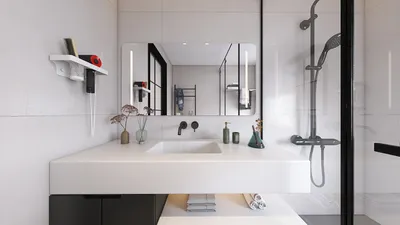


Core Design Challenge of Oriental Garden Style
Oriental Garden style is defined by its delicate balance between minimalism and intricate detailing, where simplicity meets rich cultural symbolism. The main challenge lies in merging multiple aesthetic principles: spatial harmony, natural materials, and symbolic accents, without overwhelming the senses. One core design tension is achieving serenity while incorporating diverse elements such as traditional motifs, layered textures, and natural greenery. The risk falls into either overly sparse interiors that lack warmth or excessive ornamentation that disrupts tranquility. Authentic execution demands an intimate understanding of scale and proportion, ensuring that each element contributes purposefully to the whole. Another critical factor is the integration of light and shadow, which must simulate the gentle, filtered luminosity of an Oriental garden—the natural inspiration behind this style. Achieving this specific atmospheric quality requires precise adjustments of light sources and finishes. Furthermore, the use of color in the Oriental Garden approach must tread carefully between muted earth tones and strategic bold accents to evoke the right mood. Choosing materials with tactile richness while maintaining visual calmness underscores the duality of restraint versus expression. Incorporating small decorative pieces with symbolic significance elevates the composition but calls for careful curation so that motifs resonate authentically. In summary, the chief design hurdle within Oriental Garden interiors arises from harmonizing spatial order and decorative complexity, crafting a cohesive environment that channels peace without sacrificing cultural depth. This entails meticulous planning and nuanced layering of architectural features, lighting, colors, and textures to create a balanced retreat evocative of natural harmony.
Layout Logic — Spatial Proportion and Furniture Placement
Carefully choreographing the space begins with an assessment of spatial proportions that mirror natural balance, central to Oriental Garden aesthetics. The room’s functional zones should reflect an open yet thoughtfully bounded layout, avoiding clutter while allowing flow. Start by mapping out primary usage areas, then define furniture scale relative to the room size—opt for slender, low-profile furnishings that enable movement and preserve sightlines. Avoid oversized pieces that dominate; instead, choose modular or multi-purpose furniture crafted from natural materials like bamboo, rattan, or dark wood finishes that exude organic warmth. Position seating away from walls to allow breathing room and encourage social interaction. Incorporate asymmetry subtly—placing single accent chairs or ornamental screens to introduce visual complexity without confusion. Integrate space dividers such as shoji screens or carved wooden panels to delineate areas while enhancing traditional appeal. They function both aesthetically and practically by softening transitions and adding textural intrigue. Ensure pathway widths remain generous for unobstructed circulation reflective of tranquil garden strolls. Include low tables and floor cushions that invite grounded living, a key thematic element. Utilize proportional scaling thoroughly; for example, a slim tea table paired with a minimalist armchair embodies tranquility through restraint. Embedding natural elements like small indoor planters or rock formations within furniture groupings anchors the landscape metaphor. Maintain open ceiling heights and avoid heavy drapery or bulky cabinets that compress the space. Light lattice shelving units or floating surfaces add storage without bulk, reinforcing an airy environment. The spatial arrangement should prioritize human scale and invite mindfulness, embodying the artful coexistence of form, function, and cultural narrative.
Light and Color — Tone Selection and Light Source Matching
Oriental Garden interiors thrive on restrained, nuanced lighting that mimics the dappled sunlight filtering through leaves. Start with soft ambient light using dimmable LED fixtures or concealed warm-toned uplights placed strategically to avoid harsh contrasts. Layer the lighting with accent sources such as lantern-style sconces or paper-inspired pendant lamps to contribute subtle texture and cultural resonance. For colors, adopt a palette inspired by nature: muted greens, earthy browns, soft greys, and ivory whites form the foundation. Apply these tones predominantly on walls, floors, and major furnishings to establish calm and continuity. Contrast these neutrals with touches of rich hues like deep reds, indigo blues, or gold accents in accessories to introduce focal interest and symbolic meaning. Use matte or satin finishes rather than glossy surfaces to avoid glare and maintain a natural look. Natural fibers like linen, silk, or cotton in upholstery and curtains absorb light gently and add warmth. Consider the directionality of natural light through windows—incorporate sheer curtains or bamboo blinds to refine brightness without completely obstructing views of the outdoors. Combination of warm and cool light sources replicates natural diurnal shifts, creating a dynamic yet soothing environment. Position task lighting discreetly at work or reading areas, blending function seamlessly without disrupting the aesthetic. Shadow casting elements such as patterned screens or plants feed into the spatial drama inherent in Oriental Garden style—they produce moving patterns that animate the interior with ephemeral beauty. Ultimately, the interplay of tone and illumination must support a restful atmosphere, accentuate materiality, and honor the tradition imbued in every element’s color and light reflection.
Finishing Touches — Small Decorative Models to Enhance Overall Texture
Attention to detail manifests significantly in smaller accessories that subtly reinforce the Oriental Garden ambiance. Select decorative models—such as delicate porcelain vases, calligraphy-inspired sculptures, or bonsai trees—that embody cultural symbolism and craftsmanship. These pieces should be carefully curated to avoid clutter, placed as intentional accents that invite closer appreciation. Integrate hand-painted ceramics with muted patterns referencing nature motifs: cherry blossoms, koi fish, or bamboo. Position these on shelves or low tables to punctuate spaces without overwhelming. Supplement with silk cushions or throws featuring embroidered designs that echo botanical themes, enhancing tactile layering. Woven bamboo baskets or lacquerware boxes serve dual roles as storage and ornamental components, their artisanal surfaces introducing subtle shine and texture variety. Incorporate traditional lantern models, either electric or candle-based, to add authentic light sources and sculptural interest. Balance is critical—distribute decorative items asymmetrically to maintain visual flow and avoid over-decoration. Layer spatially by placing large statement items alongside clusters of smaller objects, creating depth and storytelling within the room. The thoughtful use of natural elements like smooth river stones or sand-filled trays next to water features introduces sensory contrast and reflects garden elements indoors. These finishing touches refine spatial narratives, making each corner a meditation on harmony and craftsmanship, hallmarks of the Oriental Garden aesthetic.
Designing the Look
For designers working in Homestyler, the Oriental Garden is a practical shortcut to authenticity. It removes the guesswork from sourcing — every piece is pre-matched in scale, material, and proportion to deliver a coherent Oriental Garden result.

Minimalist Solid Wood Tabletop Art Display Stand 3D Model

Oriental Garden-handiwork 13.max

Oriental Garden-carpet 1.max

Chinese Style Solid Wood Floral Printed Room Divider Screen 3D Model


Art Deco Black Metal Brass Sculptural Floor Lamp 3D Model
FAQ
Q1: How can I maintain harmony between furniture size and room scale in Oriental Garden interiors?
Carefully measure your room’s dimensions before selecting furniture. Choose pieces with low profiles and slim structures crafted from natural materials. Avoid overly large or bulky items that disrupt open flow. Incorporate modular setups like compact chairs and tables that provide flexibility and preserve spatial proportion. Utilize dividers such as shoji screens to delineate space without creating heaviness.
Q2: What lighting techniques best evoke the serene atmosphere of an Oriental Garden?
Employ layered lighting with warm ambient sources complemented by accent fixtures such as lanterns or paper lamps. Use dimmers to control intensity, simulating soft filtered light. Combine indirect uplighting and task lighting strategically placed to avoid stark shadows. Filter natural daylight with bamboo blinds or sheer curtains to replicate the garden’s soft sunlight penetration.
Q3: How do small decorative objects contribute to the authenticity of Oriental Garden style?
Small accessories act as focal points conveying cultural symbolism and craftsmanship. Items like porcelain vases, bonsai models, and embroidered textiles bring tactile diversity and narrate the nature-inspired themes central to the style. Their thoughtful arrangement prevents clutter and ensures harmony with larger architectural elements, enhancing depth and emotional resonance.
What began as an Autodesk innovation has evolved into a design platform used by more than 18 million people around the globe. Homestyler combines powerful rendering, an intuitive editor, and a vast furniture library to help you turn inspiration into photorealistic designs — whether you're redesigning a single room or planning an entire home.
Homestyler's powerful 3D rendering feature brings your design concepts to life with incredible detail.
지금 무료로 디자인하세요
































