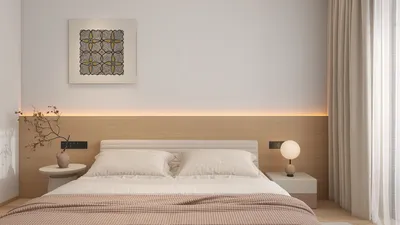


Understanding the No-Style approach reveals a design challenge rooted in harmonizing seemingly disparate elements without a predefined aesthetic. Unlike conventional design styles that rely on a cohesive language, the No-Style philosophy embraces intentional ambiguity, creating spaces that feel natural yet thoughtfully curated. This absence of a fixed style demands rigor in spatial balance, material choices, and visual flow, often pushing designers to resolve conflicts between minimalism and warmth, simplicity and character. Achieving coherence in a No-Style interior means mastering the art of subtle contrasts and understated transitions, where every detail matters but no single element dominates. The central tension is maintaining authenticity through restraint, avoiding the trap of randomness or clutter. Designers must think carefully about proportion, scale, and the interplay of textures to craft a space that feels simultaneously lived-in and deliberate. This careful orchestration challenges traditional design rules, requiring a nuanced understanding of how different components coexist without visual noise or strict thematic dictates. It is about creating a relaxed environment that speaks of individuality and adaptability while sustaining an elegant ease. These complexities make No-Style design both intriguing and demanding, precisely because it defies easy classification and demands a personal touch born from intuition rather than formulaic application.
Layout Logic — Spatial Proportion and Furniture Arrangement
The spatial arrangement in No-Style interiors is critical to balancing freedom with function. Begin by assessing the room's proportions: measure ceiling height, room width, and length to establish natural focal points and circulation paths. Avoid overcrowding by limiting large-scale furniture to one or two statement pieces per area, allowing for breathing room around each object. Keep furniture at a comfortable scale relative to the space—for example, choose low-profile seating pieces when ceilings are modest to preserve openness. Arrange seating and tables to encourage organic conversation clusters rather than rigid symmetry, mixing angles and orientations subtly but coherently. Prioritize clear walkways to maintain fluid movement, and resist the urge to fill every corner. In No-Style rooms, restraint in layout inspires calm through intentional gaps and visual breaks. Use modular and multi-functional furniture to enhance flexibility without compromising balance. Incorporate irregular shapes or unexpected forms sparingly to add personality without visual chaos. Finally, test arrangements by simulating natural living patterns to confirm the space works for its intended use while preserving its open, airy atmosphere. Thoughtful layout technique here turns spatial ambiguity into a deliberate design strength.
Light and Color — Tone Selection and Lighting Coordination
Color palettes in No-Style interiors steer clear of strong thematic hues and instead lean towards nuanced neutrals and subtle contrasts. Start with a base of warm greys, soft beiges, or muted whites to establish a versatile canvas that welcomes varied textures. Layer gentle accent tones inspired by natural materials—like stone blues, olive greens, or terracotta—to add depth without overt statement. Avoid saturated or trendy colors to maintain timelessness inherent in the No-Style approach. Lighting plays a key role in enhancing the environment’s understated ambiance. Use a combination of diffused natural light and warm artificial sources. Position light to emphasize texture—such as plaster walls or wood grains—rather than bold color shifts. Implement adjustable fixtures, like dimmable recessed lighting or floor lamps, to create dynamic moods throughout the day. Balance direct and indirect lighting carefully: indirect illumination can soften shadow edges and encourage a relaxed feel, while pinpoint accent lighting highlights key objects without disrupting the room’s calm. Through calibrated control of tone and luminosity, No-Style interiors achieve a lightness and warmth that invite lingering comfort without visual overload.
Accent Decoration — Enhancing Overall Quality with Small Models
The subtle power of small decorative elements is vital in No-Style designs for infusing personality while preserving clarity. Start by selecting authentic, artisanal pieces that reflect the inhabitant's taste rather than echoing a style trend. Ceramic vases with natural glaze irregularities, handwoven baskets, or sculptural objects with minimalist lines work well here. Strategically place these items on shelves, coffee tables, or mantelpieces where they provide focal interest without clutter. Grouping objects in odd numbers enhances visual appeal—avoid crowded displays to maintain an airy presentation. Materials that celebrate imperfection, like raw wood, hand-thrown pottery, or recycled metals, reinforce the thoughtful yet uncontrived spirit. Integrate small plants or dry floral arrangements to inject organic textures and soften clean surfaces. Lighting accentuates these details: spotlights or soft backlighting create subtle shadows that enrich the tactile quality. Every chosen small model should feel intentional and spontaneous simultaneously, contributing to an interior narrative that feels both authentic and inviting. Such decor elevates the overall atmosphere, giving No-Style rooms a curated yet effortless vibrance.
Designing the Look
For designers working in Homestyler, the No-Style is a practical shortcut to authenticity. it removes the guesswork from sourcing — every piece is pre-matched in scale, material, and proportion to deliver a coherent No-Style result.

Modern Gold Metal Mesh 3 Tier Console Table 3D Model

Minimalist White Metal Slatted Armchair 3D Model

Minimalist White Metal TV Stand Cabinet With Open Shelves 3D Model
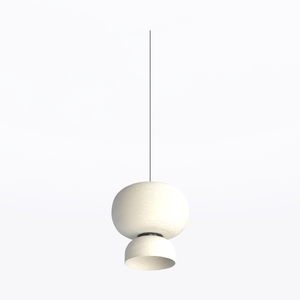
Minimalist White Fabric Pendant Lamp 3D Model

Minimalist Solid White Concrete Round Side Table 3D Model

Minimalist Neutral Tone Ceramic Vase Set 3D Model
FAQ
Q: How can one maintain coherence without a defined style when decorating a room?
Maintaining coherence in a No-Style room depends on consistent attention to spatial balance, material harmony, and restrained layering of textures. Prioritize selecting pieces that complement rather than compete. Use subtle repetition in shapes, colors, or finishes, and ensure that the room’s primary elements align with the scale and proportions of the space. Avoid over-accessorizing or introducing abrupt stylistic contrasts.
Q: What lighting techniques best suit a No-Style interior to enhance mood without overwhelming?
Employ a layered lighting approach combining ambient, task, and accent lighting with adjustable dimmers. Favor warm, indirect light to maintain softness, and strategically highlight textures over colors. Using fixtures with minimalist profiles that blend into the architecture supports the No-Style’s understated essence.
Q: How can small décor objects be selected to avoid visual clutter in a No-Style space?
Choose pieces that are individually distinctive and have natural, tactile qualities. Limit the number displayed and place them with intentional spacing. Opt for collections of similar materials or hues to unify groupings. Rotate or change objects seasonally to refresh the room’s narrative without adding excess items.
Built on technology originally developed at Autodesk, Homestyler empowers anyone to design beautiful, realistic spaces in minutes. Join over 18 million users who have already discovered a smarter way to plan, visualize, and bring their dream homes to life — all from the comfort of a browser.
With Homestyler, you can design and visualize your living spaces online with stunning, realistic results.
Design Now for FREE
































