

Conclusion
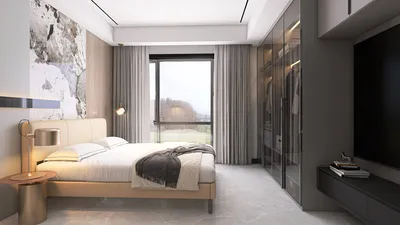
The crux of choosing between New Rustic and Modern Farmhouse comes down to balancing authenticity and refinement. New Rustic emphasizes raw, tactile materials with a grounded earthiness, while Modern Farmhouse streamlines rustic charm with contemporary minimalism. These contrasting priorities make selection a practical dilemma, as one must weigh whether to favor rugged warmth or crisp sophistication in their space.
Style A Deep Dive
New Rustic embodies a design vocabulary that reveres natural textures combined with rugged simplicity. It features exposed wood beams, stone surfaces, and a muted, earthy palette of browns, grays, and greens. Spaces adopting New Rustic typically seek to recreate a sense of lived-in comfort with handcrafted details and vintage-inspired accents. However, this style can limit the use of high-gloss or polished elements, as well as sleek, geometric forms that detract from its organic character. It suits owners who appreciate traditional craftsmanship, countryside aesthetics, and a tactile environment that fosters relaxation.
Style B Deep Dive
Modern Farmhouse integrates rustic roots with clean contemporary lines to form inviting yet uncluttered spaces. It rests on a foundation of white or neutral walls paired with black metal fixtures, shiplap paneling, and streamlined wooden furniture. This style appeals due to its versatility across urban and suburban interiors, inviting natural light and emphasizing function alongside rustic decor pieces. Despite its modern influences, Modern Farmhouse maintains an approachable warmth but may underuse the textural depth present in New Rustic, which can result in spaces feeling more polished but less tactile.
Head-to-Head
| Dimension | New Rustic | Modern Farmhouse |
|---|---|---|
| Color Palette | Earthy tones: browns, greens, muted neutrals | Predominantly white and neutrals with black contrast |
| Materials | Raw wood, stone, handcrafted finishes | Shiplap, metal fixtures, smoother wood surfaces |
| Spatial Feel | Cozy, textural, nostalgic | Airy, bright, streamlined |
| Target User | Traditionalists valuing authenticity and tactile warmth | Contemporary homeowners seeking rustic yet minimalistic |
How to Choose
When deciding between New Rustic and Modern Farmhouse, first evaluate your priorities: Do you prefer environmental textures that evoke an artisanal feel or a fresh, decluttered space with subtle rustic details? Consider the existing architecture and natural light; New Rustic thrives in spaces with character and ample angles to showcase natural materials, whereas Modern Farmhouse fits well in bright, open-plan interiors demanding crisp visuals. Assess maintenance expectations too: materials in New Rustic may age with visible wear, enhancing character, while Modern Farmhouse favors easy-to-clean surfaces. Finally, think about lifestyle needs—families and those who enjoy informal, down-to-earth spaces often lean toward New Rustic, whereas individuals or couples craving a blend of tradition with modern comfort usually find Modern Farmhouse ideal.
Designing the Look
If New Rustic is the direction you're drawn to, Homestyler's 'New Rustic' gives you a ready-built library to start experimenting immediately — no sourcing, no scale guesswork, just design.

Minimalist Fabric Two Tone Window Curtains 3D Model

Whimsical Hot Air Balloon Print Round Tasseled Rug 3D Model

Rustic Vintage Black Ceramic Decorative Vases with Olive Branches 3D Model

Artisan Hand Painted Ceramic Decorative Platter 3D Model

Bohemian Woven Fabric Tassel Decorative Storage Basket 3D Model

Vintage Pilot Style Fabric Goose Decorative Figurine 3D Model
FAQ
Q: What are the main material differences between New Rustic and Modern Farmhouse?
The New Rustic style heavily utilizes unprocessed woods, textured stone, and handcrafted elements that showcase natural aging, whereas Modern Farmhouse employs polished wood furniture, painted wood surfaces like shiplap, and metal fixtures with cleaner finishes, blending rustic elements with modern minimalism.
Q: Which style works better in small urban apartments?
Modern Farmhouse generally adapts better to compact urban spaces due to its light color palette and focus on streamlined forms, promoting a brighter and airier feel. New Rustic may feel cramped in small settings since it emphasizes heavier, textural materials and darker tones.
Q: How do the styles differ in terms of maintenance?
New Rustic finishes often require more upkeep to preserve natural textures and prevent deterioration of raw materials, while Modern Farmhouse prioritizes surfaces that are easier to clean and maintain, like painted wood and metal accents, making it more practical for busy households.
Homestyler's roots trace back to Autodesk, the global leader in design and engineering software. That heritage lives on in every feature we build. Today, with a community of more than 18 million users worldwide, Homestyler continues to make professional-quality interior design accessible to everyone — from first-time decorators to seasoned architects.
Homestyler's powerful 3D rendering feature brings your design concepts to life with incredible detail.
Design jetzt kostenlos
































