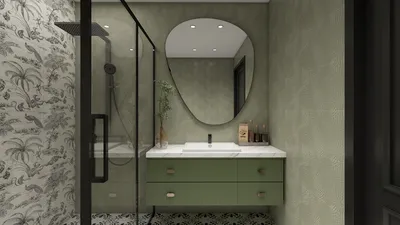


What is the most common core issue faced in New Rustic interiors?
The New Rustic style most commonly struggles with balancing natural textures and modern simplicity without overwhelming the space.
Quick Takeaways
• Overusing raw wood textures can make spaces feel cluttered instead of warm. • Ignoring scale differences leads to awkward and uncomfortable proportions. • Mixing too many rustic elements with modern furniture dilutes the style’s identity. • Neglecting light environments results in dark, heavy atmospheres. • Failing to coordinate natural color palettes causes visual discordance.
Introduction
I have encountered numerous New Rustic interiors where the charm of rugged natural elements is overshadowed by incorrect proportion or conflicting details. This aesthetic is deceptively simple but prone to missteps that undermine its organic appeal. These mistakes often come from trying to cram too much raw texture or neglecting the subtleties that make rustic modernity truly cohesive.
Why It Goes Wrong
New Rustic designs go wrong mainly due to an imbalance between traditional rustic materials and contemporary minimalism. Overdoing distressed woods or combining incompatible styles without a clear hierarchy creates visual chaos. Additionally, size miscalculations and poor lighting choices distort the inviting warmth that the style aims for.
Mistake 1 – Overwhelming Use of Wood
The Mistake: Filling the space with excessive raw, reclaimed, or live-edge woods that compete rather than complement. Why It Happens: Enthusiasm for rustic textures often leads to ignoring scale and variety. The Fix: Limit wood surfaces to no more than 40-50% of total material finishes, ensuring other natural elements such as stone or metal provide balance.
Mistake 2 – Ignoring Scale and Proportion
The Mistake: Using large, bulky rustic furniture in small interiors that feel cramped. Why It Happens: Underestimating spatial dimensions and the visual weight of rustic pieces. The Fix: Prioritize slimline furniture with rustic finishes to maintain openness, and use oversized items only in spacious rooms with generous natural light.
Mistake 3 – Mixing Too Many Rustic Elements
The Mistake: Combining diverse rustic motifs such as barn wood, wrought iron, and rawhide without cohesion. Why It Happens: Attempting to maximize rustic character without an overarching concept. The Fix: Choose two or three rustic materials that harmonize and anchor them with minimal modern accents to unify the look.
Mistake 4 – Neglecting Lighting
The Mistake: Using insufficient natural or layered lighting causing dark, heavy atmospheres. Why It Happens: Rustic style’s affinity with earthy materials leads to overlooking lighting strategy. The Fix: Integrate multiple light sources including warm ambient, task, and accent lighting; maximize daylight with sheer curtains or strategic window placement.
Mistake 5 – Clashing Color Palettes
The Mistake: Introducing too many bright or cold tones that break rustic harmony. Why It Happens: Adding trendy colors without consideration for the grounded nature palette. The Fix: Stick to an earth-inspired palette with beiges, warm greys, muted greens, and natural ochres to maintain soothing continuity.
Designing the Look
Homestyler’s ‘New Rustic’ offers a comprehensive set of ready-to-use 3D models specifically curated to embody this aesthetic, allowing designers to achieve authentic results with professional-grade textures and forms.


Whimsical Hot Air Balloon Print Round Tasseled Rug 3D Model


Artisan Hand Painted Ceramic Decorative Platter 3D Model


Vintage Pilot Style Fabric Goose Decorative Figurine 3D Model
FAQ
Q: How can I maintain Rustic authenticity while incorporating modern elements?
Integrate modernity by selecting furniture with clean lines but natural finishes like matte wood or raw metal. Avoid ornate designs and instead emphasize function. Balancing rustic textures with minimalist shapes preserves authenticity and prevents style clash.
Q: What lighting types best suit New Rustic interiors?
Layered lighting works best: ambient lighting for overall warmth via pendant or recessed lights, task lighting for work zones such as reading nooks, and accent lighting like warm LED strips highlighting wooden beams or stone features. Use warm color temperature bulbs to complement natural materials.
Q: Are certain wood types better for a New Rustic look?
Opt for reclaimed oak, pine, or cedar with visible grains and knots to reinforce rustic character. Avoid overly polished or uniform woods. Finishes should be matte or lightly distressed to retain raw appeal, supporting the style’s organic and tactile nature.
Homestyler's roots trace back to Autodesk, the global leader in design and engineering software. That heritage lives on in every feature we build. Today, with a community of more than 18 million users worldwide, Homestyler continues to make professional-quality interior design accessible to everyone — from first-time decorators to seasoned architects.
Leverage Homestyler's AI-powered features to quickly generate professional interior design schemes.
Desain sekarang Gratis
































